• It's FREE to join our group and ALL MEMBERS ARE AD-FREE!

Discussion on Serial Killers, Spree Killers, Mass Killers, And single event killers. (2 Viewers)

1602196598394.png

To start. I have always found Serial Killers fascinating. What makes them do what they do?. I know I am not the only one. This is the place to talk about it. I'll start. Who do you find the most fascinating and why?.
 
Last edited by a moderator:

10 have now been identified. That seems like good progress so far.

Maybe time for a thread where the victims can be included.


[COLOR=rgba(0, 0, 0, 0.95)]
  • Herb Baumeister was found dead in 1996, shortly after police unearthed thousands of human bones on Fox Hollow Farm
  • The efforts to identify every victim of the Indiana serial killer are still underway, with "several tragedies" remaining, Hamilton County Coroner Jeff Jellison said, per Fox News Digital
  • "This investigation will far exceed my time in this office,” Jellison added
It will take years to identify every victim of the Indiana serial killer Herb Baumeister, but the coroner on the case maintains that each individual is a “tragedy,” not a “statistic.”[/COLOR]
[COLOR=rgba(0, 0, 0, 0.95)]Hamilton County Coroner Jeff Jellison shared an update on his office’s ongoing work to identify each victim in a new interview with Fox News Digital.[/COLOR]
[COLOR=rgba(0, 0, 0, 0.95)]Back in 2022, the coroner stated that investigators believe the 10,000 human bones and fragments found at Baumeister’s property in the 1990s could belong to 25 victims.
Of the approximately 25 victims buried on the infamous Westfield, Ind., estate, known as Fox Hollow Farm, 10 have been identified so far, the Hamilton County Coroner’s Office announced last month. The latest to be identified was Daniel Thomas Halloran, Fox News Digital reported.
The office currently has three more DNA profiles that have not yet been identified, and, regardless of the exact victim count, “several tragedies” remain in the decades-old serial killer case, Jellison told the outlet.
“We have 10,000 bone and bone fragments, so how many victims, you know, that will be is undetermined,” the Hamilton County coroner added to Fox News Digital.
[/COLOR]
[COLOR=rgba(0, 0, 0, 0.95)]
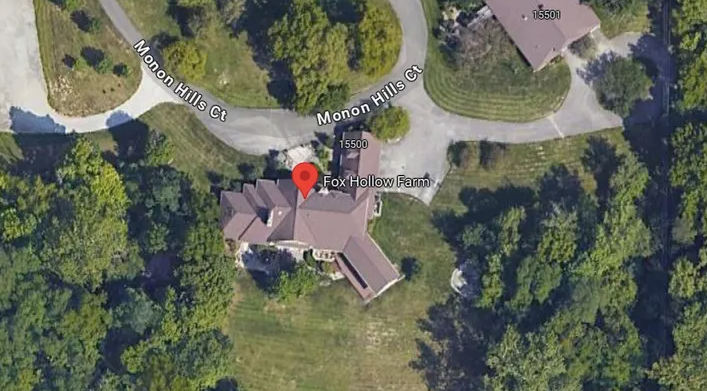
Oct 16, 2012; Westfield, IN, USA; Fox Hollow Farm main house as seen from the woods behind. Tuesday October 16th, 2012, Indianapolis Star Journalists Will Higgins and Michelle Pemberton spend the night at Fox Hollow Farm in Westfield, the former home and suspected scene of up to 16 murders of young men in Indianapolis by suspected serial killer Herb Baumeister, owner of the Sav-a-Lot shopping chain. The 1977 Tudor style mansion is now owned by the Graves family.

[COLOR=rgba(0, 0, 0, 0.65)]Fox Hollow Farm.
Michelle Pemberton-USA TODAY NETWORK [/COLOR][/COLOR]

[COLOR=rgba(0, 0, 0, 0.95)]"I heard someone say recently that one death is a tragedy, two or more deaths is a statistic. And I think we have several tragedies because you have to treat each one of these individuals separately,” he continued. “So, we look at it really, you know, it’s not how many potential victims do we have, but let’s just continue working hard to identify. And then, at the end, we’ll tally that up.”
The coroner said that despite how far the office has come, the nature of the case — and sheer number of victims — means it will likely take years to identify every person Baumeister killed and buried at Fox Hollow.
“This investigation will far exceed my time in this office,” Jellison told Fox News Digital.

[/COLOR]
[COLOR=rgba(0, 0, 0, 0.95)]

Related Stories​


Ind. Man Had 10,000 Fragments of Human Remains on Property. Here's How Police Plan to ID All of His Victims
Herb Baumeister, Fox Hollow Farm
Serial Killer’s Secret: 10,000 Bone Fragments Found on Property, Spree Ended with Son’s Chilling Discovery
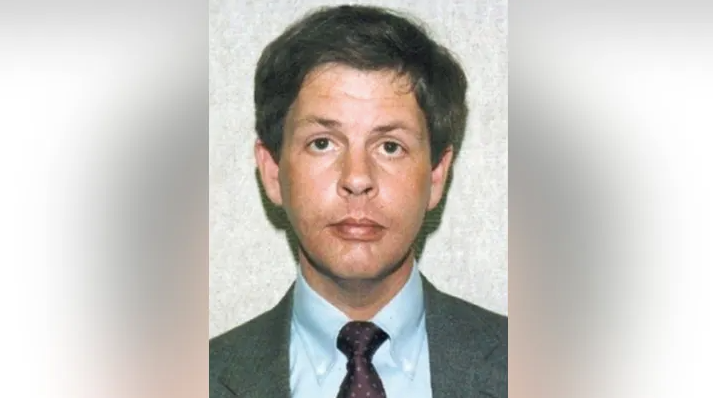
Herb Baumeister mugshot[/COLOR]

[COLOR=rgba(0, 0, 0, 0.95)]
Baumeister’s double life first began unraveling in 1994 after his son, who was 13 at the time, found a human skull and a pile of bones in the woods of Fox Hollow.
At the time, the serial killer, who owned a string of thrift stores, claimed the bones came from a skeleton his late father, an anesthesiologist, obtained in medical school.
[/COLOR]
[COLOR=rgba(0, 0, 0, 0.95)]Two years later, however, he was faced with many more questions when police unearthed thousands of human bones and bone fragments at the Indiana estate.
The day after authorities uncovered the remains, Baumeister vanished. Eight days later, he was found dead of a self-inflicted gunshot wound in a park in Canada.
Shortly after, investigators learned that Baumeister was likely one of the most prolific serial killers in Indiana state history. They also learned that he hunted his victims in gay bars while his wife and three children were away at the family’s lake house.
[/COLOR]
[COLOR=rgba(0, 0, 0, 0.95)]
The mansion at Fox Hollow Farm.

[COLOR=rgba(0, 0, 0, 0.65)]Fox Hollow Farm.
ABC News[/COLOR][/COLOR]

[COLOR=rgba(0, 0, 0, 0.95)]Want to keep up with the latest crime coverage? Sign up for PEOPLE's free True Crime newsletter for breaking crime news, ongoing trial coverage and details of intriguing unsolved cases.[/COLOR]
[COLOR=rgba(0, 0, 0, 0.95)]Among the victims already identified by the Hamilton County Coroner’s Office is Jeffrey Jones, of Fillmore, Ind., who was reported missing in 1993, and whose remains were recovered in 1996 from Fox Hollow Farm.
In the press release announcing the news, the office said that “because many of the remains were found burnt and crushed, this investigation is extremely challenging; however, the team of law enforcement and forensic specialists working the case remain committed.”
[/COLOR]
[COLOR=rgba(0, 0, 0, 0.95)]Allen Livingston was also identified as one of Baumeister’s victims. After he was identified in 2023, his sister, Shannon Doughty, told the Associated Press she was relieved to find out what had happened to her older brother.[/COLOR]
[COLOR=rgba(0, 0, 0, 0.95)]"Just knowing, it’s a multitude of emotions,” she told the outlet. “You wanted to know but you didn’t want to know. But you needed to know.”
Relatives of missing men who want to provide family DNA reference samples for the effort to identify remains can contact the Indiana State Police missing persons hotline at 833-466-2653 or the Hamilton County Coroner’s Office at 317-770-4415.
[/COLOR]
 
This woman only killed two, but was planning a third.

 
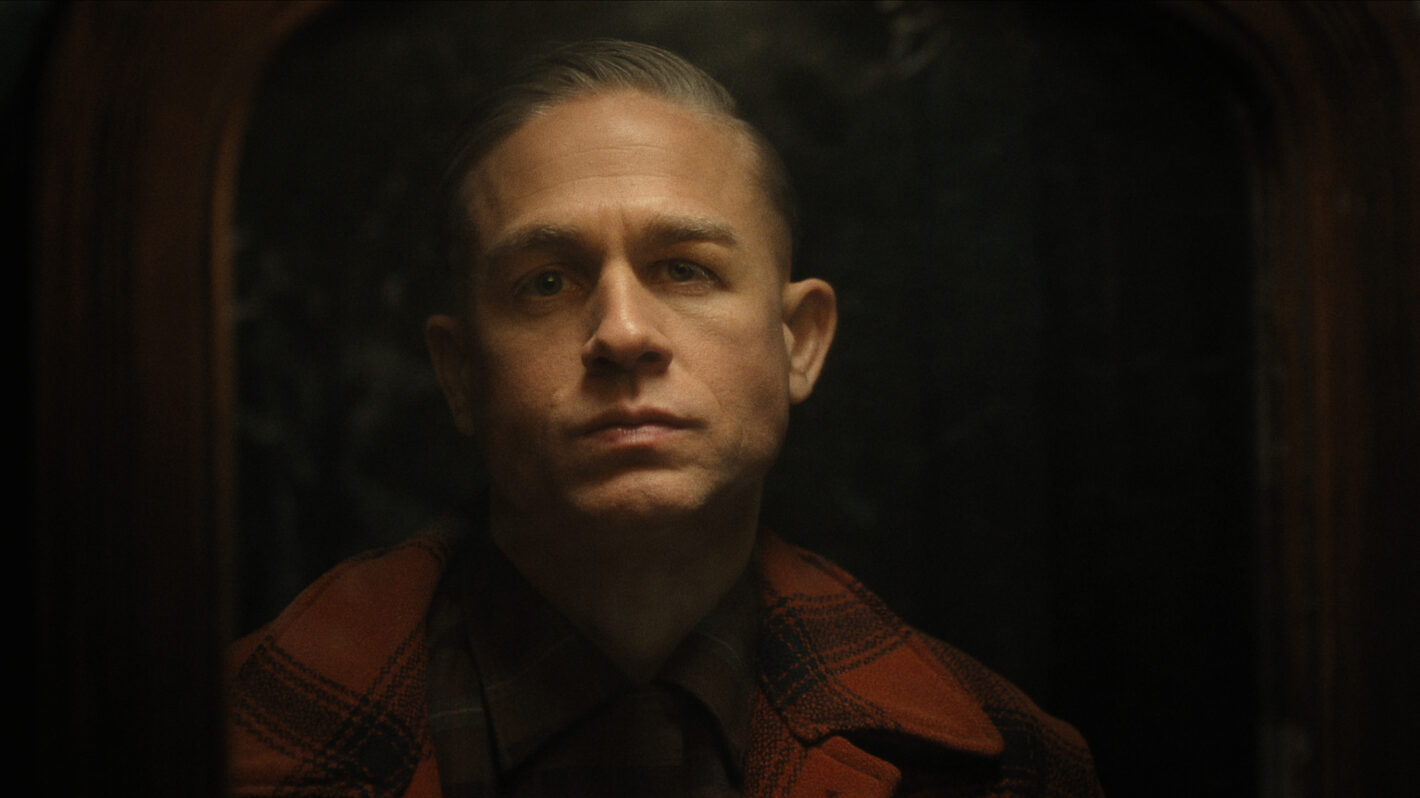
Ryan Murphy and Ian Brennan are following up again on the success of their 2022 miniseries Monster: The Jeffrey Dahmer Story, which was originally conceived as a limited series but returned with an acclaimed second installment in Monsters: The Lyle and Erik Menendez Story. Season 3 centers on Ed Gein, set to be portrayed by Charlie Hunnam, an infamous serial killer whose story inspired some of Hollywood’s biggest horror films.

Yes. Netflix dropped the full trailer for the series on September 15, and it’s definitely not for the faint of heart. With the chilling tagline, “You’re the one that can’t look away,” the trailer shows Hunnam seemingly addressing the viewer directly while leading them through the most nightmarish moments of Gein’s atrocities. Watch the trailer above.

The first teaser for the series was released on September 4, showing an investigator searching through Ed Gein’s home to find fragments of skin scattered throughout. It featured the first glimpse of Hunnam as Gein.

What is​

The synopsis for Monster: The Ed Gein Story reads as follows: “Serial killer. Grave robber. Psycho. In the frozen fields of 1950s rural Wisconsin, a friendly, mild-mannered recluse named Eddie Gein lived quietly on a decaying farm – hiding a house of horrors so gruesome it would redefine the American nightmare. Driven by isolation, psychosis, and an all-consuming obsession with his mother, Gein’s perverse crimes birthed a new kind of monster that would haunt Hollywood for decades. From Psycho to The Texas Chainsaw Massacre to The Silence of the Lambs, Gein’s macabre legacy gave birth to fictional monsters born in his image and ignited a cultural obsession with the criminally deviant. Ed Gein didn’t just influence a genre — he became the blueprint for modern horror.”

“Ryan Murphy and Ian Brennan’s groundbreaking anthology series returns with its third, most harrowing installment yet,” the synopsis continues. “Monster: The Ed Gein Story tells the story of how one simple man in Plainfield, Wisconsin, became history’s most singular ghoul. He revealed to the world the most horrific truth of all — that monsters aren’t born, they’re made…by us.”

Who was Ed Gein?​

Gein was born and raised in Wisconsin, where he endured a toxic household. According to Britannica, his father was an alcoholic, and his mother was verbally abusive. Although his older brother often stood up for him, Ed remained deeply attached to his mother and her religious beliefs. Throughout the 1940s, the family was further torn apart by the tragic deaths of each member, shattering Ed.

According to Biography, Gein became a recluse but continued to work odd jobs to support himself. As residents of Plainfield began to disappear, he became a suspect. Eventually, Gein solved the mystery for them by confessing to two murders during questioning.

Gein’s actions shook up the small town, earning him the nicknames, “Butcher of Plainfield,” “Plainfield Ghoul,” and the “Grandfather of Gore.” Though he was eventually found guilty of murder and later died from cancer in 1984, his gravesite has become a tourist attraction, and his various appearances in the media have kept him alive.

Why did Murphy and Brennan choose Gein?

With so many serial killers to choose from, it begs the question: Why Gein? In an interview with Collider, Murphy shared some insights into the team’s decision-making process, speaking on how influential Gein has been to the horror genre. In addition to Psycho, Murphy noted his impact on films like The Silence of the Lambs, The Texas Chain Saw Massacre, and American Psycho.

The title, The Original Monster, also revealed by Murphy in the interview, suggests this season will broaden its scope and focus not only on the circumstances surrounding Gein’s crimes, but also the role of the entertainment industry in immortalizing him. Given the series’ previous criticisms, this could be the angle it needs for continued success.

Monster: The Ed Gein Story, October 3, Netflix
 
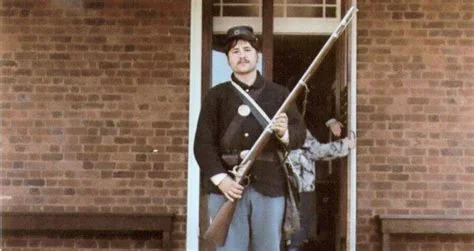
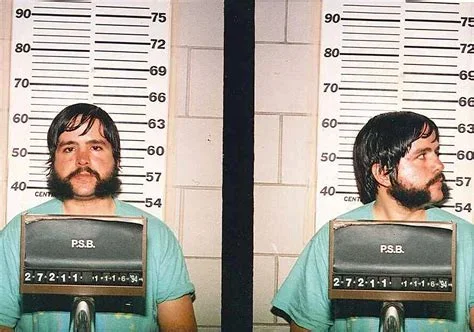
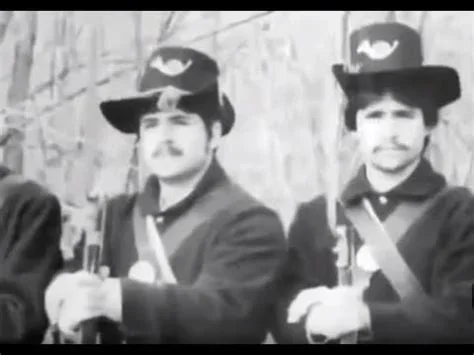
The Natrona County WY Sheriff's Office is asking for the public's help in a murder that took place in 1982. They are specifically looking for anyone or any bit of info that can help place convicted serial killer Larry DeWayne Hall in Wyoming in 1982. Hall was a Civil War re-enactor who traveled around to various Civil War historical sites, historical battlefields, monuments, etc. throughout the United States.

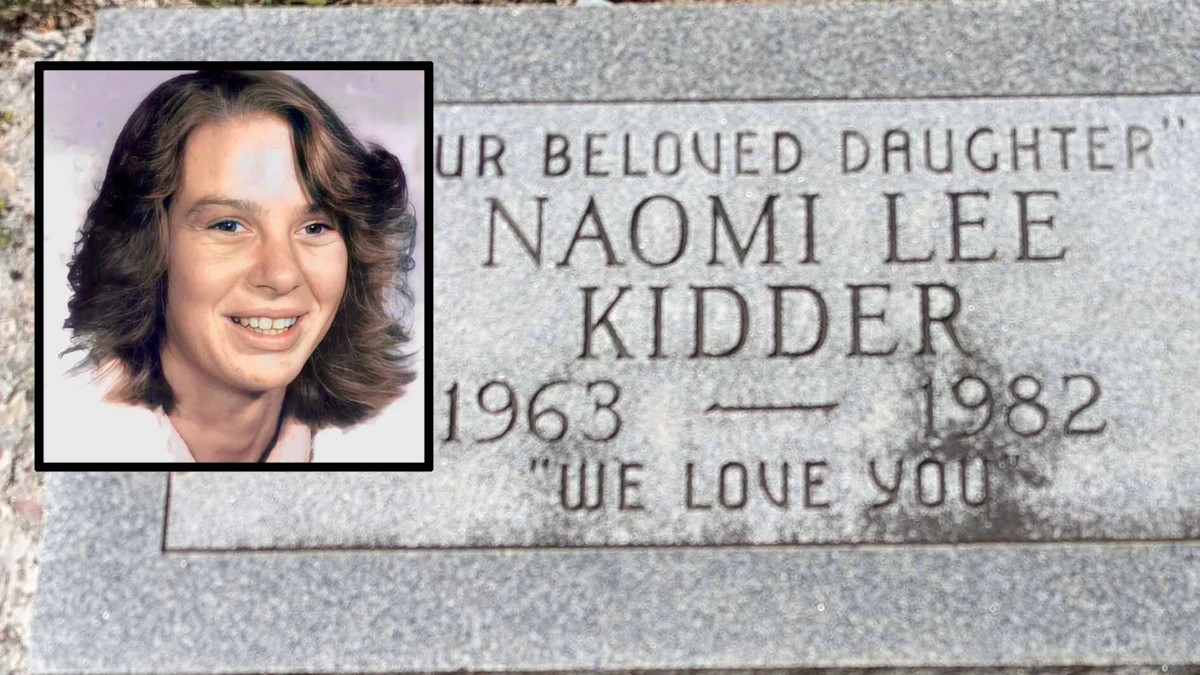
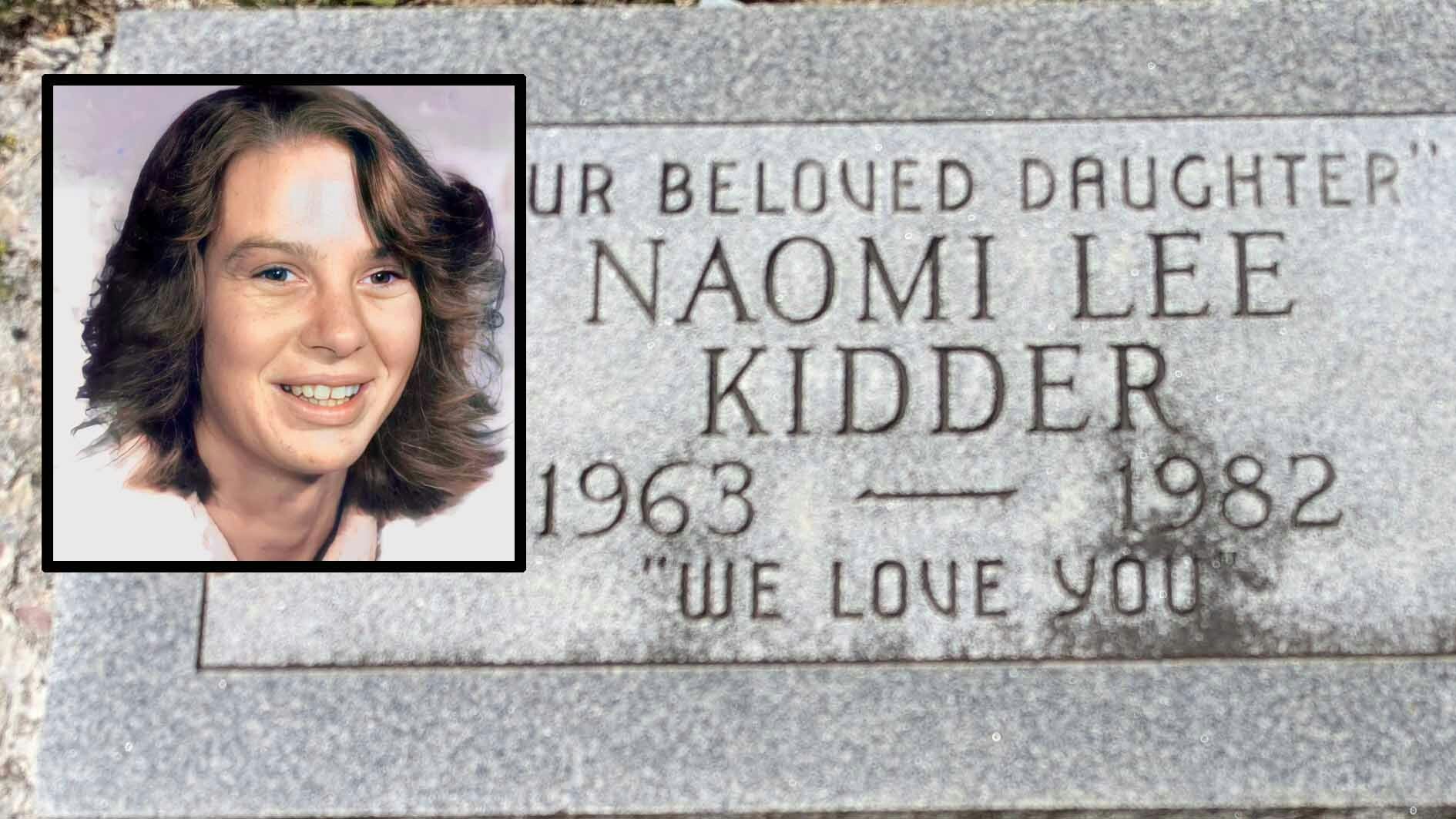
He was known for his unique, distinctive sideburns as a re-enactor. When Hall was arrested in the 1990s, he allegedly had a murder victim named Naomi Kidder written on a piece of paper among his belongings. He confessed to at least 35 killings, only a few of his victims have ever been found. His targets were mainly, but not exclusively, young white women and teen girls with athletic builds who usually had dark hair. Investigators refer to possible victims fitting this description as 'Larry's girls".

He was active in the 1980s and the early 1990s. Hall has an identical twin brother who has been co-operating with the police. The two are now estranged, as Larry tried to blame his brother for the crimes.


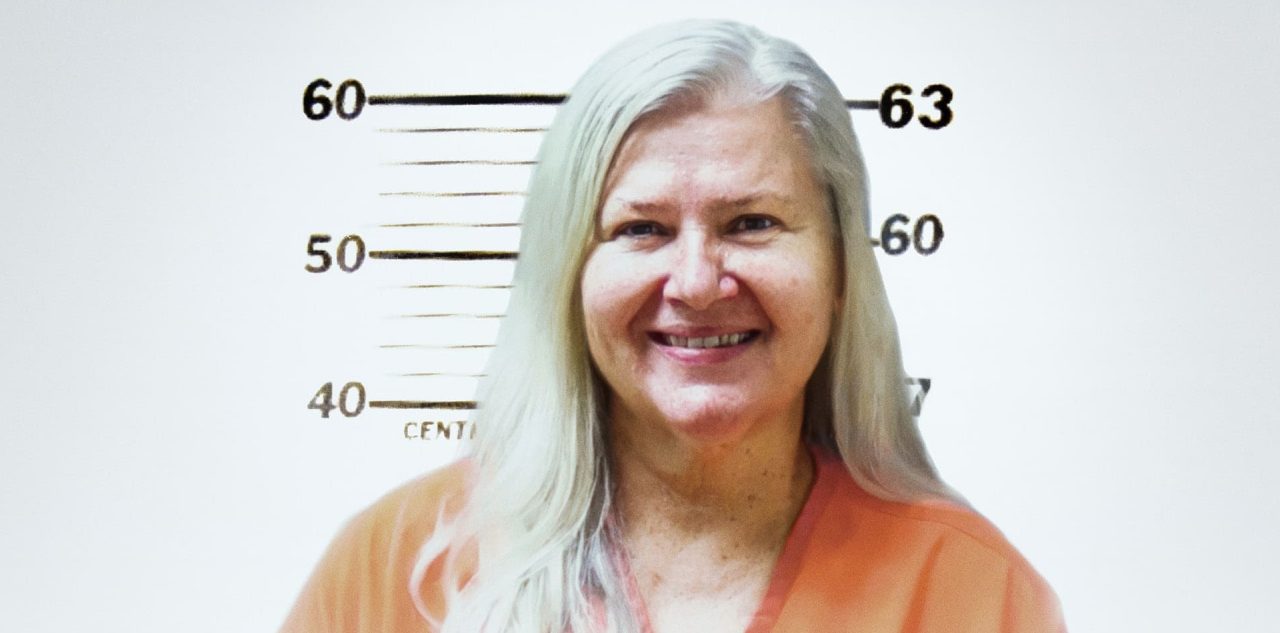
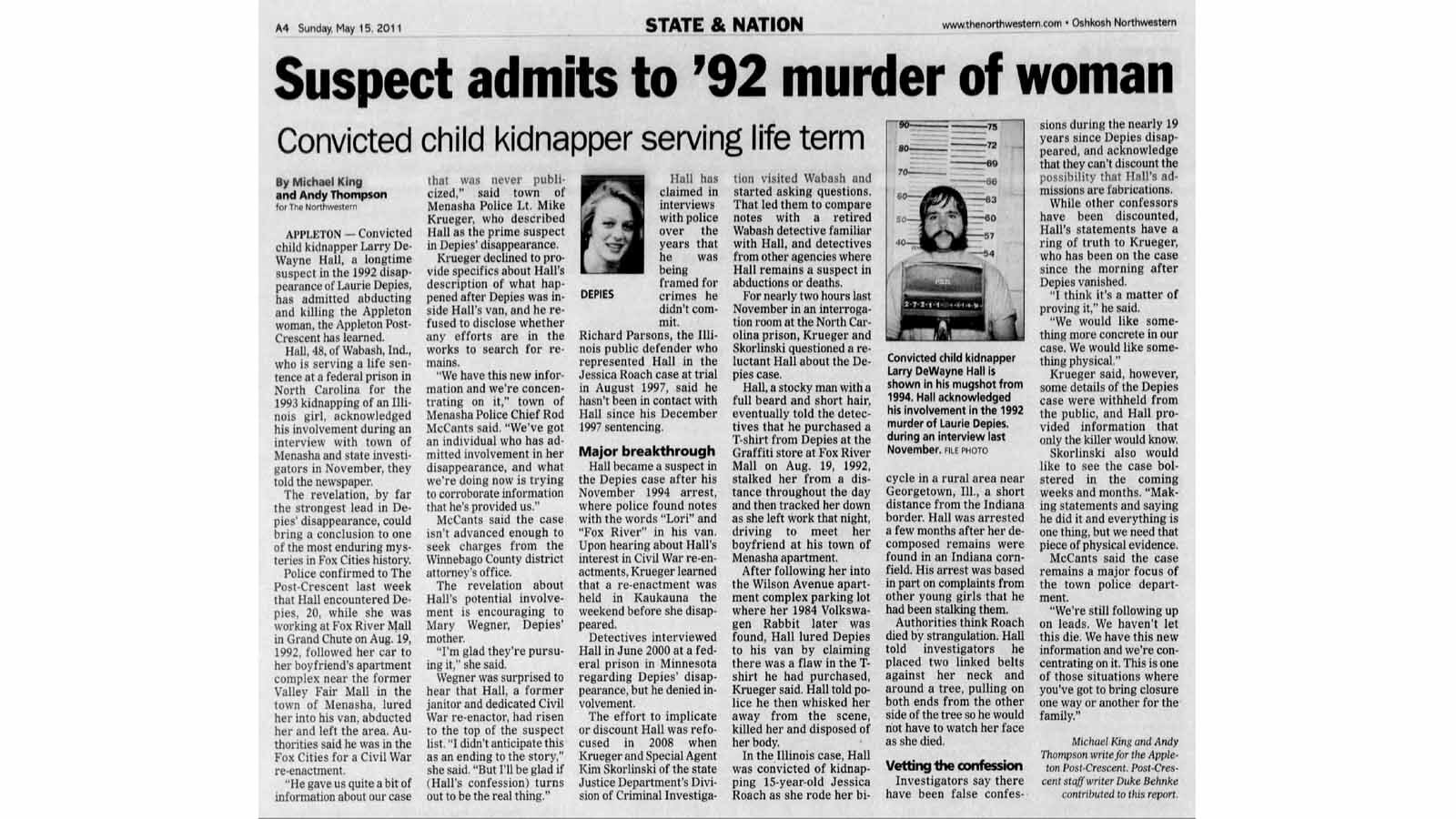
photos of Hall dressed in his re-enactor uniform as he would have appeared in the 1980s/early 1990s. Mug shot of his arrest, 1994
1760275394548.webp1760275452550.webp1760275604860.webp
 
Last edited:
The Natrona County WY Sheriff's Office is asking for the public's help in a murder that took place in 1982. They are specifically looking for anyone or any bit of info that can help place convicted serial killer Larry DeWayne Hall in Wyoming in 1982. Hall was a Civil War re-enactor who traveled around to various Civil War historical sites, historical battlefields, monuments, etc. throughout the United States. He was known for his unique, distinctive sideburns as a re-enactor. When Hall was arrested in the 1990s, he allegedly had a murder victim named Naomi Kidder written on a piece of paper among his belongings. He confessed to at least 35 killings, only a few of his victims have ever been found. His targets were mainly, but not exclusively, young white women and teen girls with athletic builds who usually had dark hair. Investigators refer to possible victims fitting this description as 'Larry's girls". He was active in the 1980s and the early 1990s. Hall has an identical twin brother who has been co-operating with the police. The two are now estranged, as Larry tried to blame his brother for the crimes.


photos of Hall dressed in his re-enactor uniform as he would have appeared in the 1980s/early 1990s. Mug shot of his arrest, 1994
View attachment 27317View attachment 27318View attachment 27319
A long but very interesting read.
 
Some belive he may have been involved in the disappearance of the Springfield Three. I really wish LE would fly drones over the Mark Twain National Forest in MIssouri. Now would be the time as leaves are falling off the trees. Yes, I realize the MT Forest is huge.
 
Some belive he may have been involved in the disappearance of the Springfield Three. I really wish LE would fly drones over the Mark Twain National Forest in MIssouri. Now would be the time as leaves are falling off the trees. Yes, I realize the MT Forest is huge.
That would be quite the task but I can see where he might be involved just based on other disappearances and such in reading that.

I had some comments as I read but by the time I reached the end, they had all fled my mind. I don't mind a long interesting read but the questions or comments that pop into my head throughout seem to vanish by the time I get to the end lol.
 
Some belive he may have been involved in the disappearance of the Springfield Three. I really wish LE would fly drones over the Mark Twain National Forest in MIssouri. Now would be the time as leaves are falling off the trees. Yes, I realize the MT Forest is huge.
Leaves have not fallen enough yet. They are just starting here and they are usually a couple of weeks behind us.
 
Also, when the leaves do drop, they cover the ground so thickly in places that they also hide so much and that forest is so very thick through most of it.
 
The Natrona County WY Sheriff's Office is asking for the public's help in a murder that took place in 1982. They are specifically looking for anyone or any bit of info that can help place convicted serial killer Larry DeWayne Hall in Wyoming in 1982. Hall was a Civil War re-enactor who traveled around to various Civil War historical sites, historical battlefields, monuments, etc. throughout the United States.

He was known for his unique, distinctive sideburns as a re-enactor. When Hall was arrested in the 1990s, he allegedly had a murder victim named Naomi Kidder written on a piece of paper among his belongings. He confessed to at least 35 killings, only a few of his victims have ever been found. His targets were mainly, but not exclusively, young white women and teen girls with athletic builds who usually had dark hair. Investigators refer to possible victims fitting this description as 'Larry's girls".

He was active in the 1980s and the early 1990s. Hall has an identical twin brother who has been co-operating with the police. The two are now estranged, as Larry tried to blame his brother for the crimes.


photos of Hall dressed in his re-enactor uniform as he would have appeared in the 1980s/early 1990s. Mug shot of his arrest, 1994
View attachment 27317View attachment 27318View attachment 27319


So the jade hippy necklace found with Kidder was tested but yielded no DNA.

So much info in this article that I have copied it below.
Menu
Search
More Than 40 Years Later, Search Continues For Clues To Murder Of Buffalo Teen​
Link
Share
Menu
Search

More Than 40 Years Later, Search Continues For Clues To Murder Of Buffalo Teen​

In 1982, 18-year-old Naomi Kidder vanished while hitchhiking from Rawlins to Buffalo, Wyoming, and her body was found months later. Four decades later, police still seek answers in the unsolved murder and hope new leads will bring justice.
jen_kocher.png

Jen Kocher
October 11, 202513 min read
Buffalo
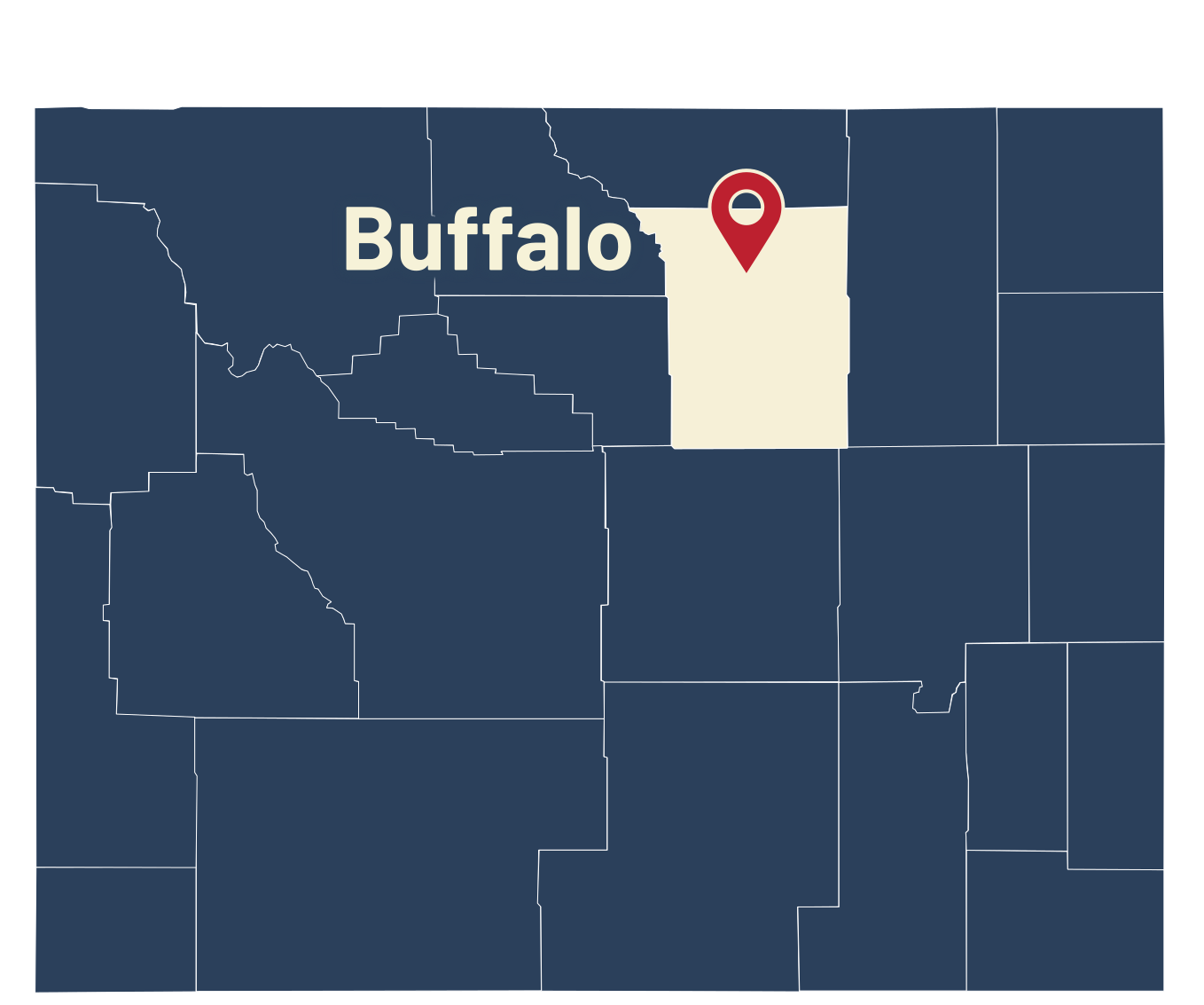
Naomi Kidder was 18 when she hitched a ride from Rawlins, where she'd been working at the time, to her home in Buffalo. Somewhere along the way, she was abducted and killed with her body dumped on ranchland outside Casper. To date, her killer remains at large.

Naomi Kidder was 18 when she hitched a ride from Rawlins, where she'd been working at the time, to her home in Buffalo. Somewhere along the way, she was abducted and killed with her body dumped on ranchland outside Casper. To date, her killer remains at large. (Courtesy Photo)
It was the early 1980s and south-central Wyoming was winding down from an energy boom but was still attracting workers from all over the country and state with the promise of big money.
Among those drawn to the Rawlins area was 18-year-old Naomi Lee Kidder, who had left home three hours north in Buffalo, Wyoming, with friends to work on a seismograph crew in the oil field.
A young mother at the time, Kidder left behind her young daughter with her parents at their Buffalo home and was staying with friends in a Rawlins motel. She’d just been there for about a week when she got homesick, according to her sister, Trish Sealey, and wanted to go home to her daughter.
Without a ride, Kidder hatched a plan to hitch the 228 miles home to Buffalo and left Rawlins on Tuesday, June 29, 1982.
She never made it. Her parents reported her missing to the Buffalo Police Department on July 1, 1982.
For three months there was no trace of Kidder, until her nude body was found partially buried in sage grass on rural ranchland owned by a Natrona County commissioner, outside Casper. She had been strangled with wire found wound tightly around her neck.
Her clothing was never found and the only item recovered was a backpack and a little leather purse that her parents confirmed belonged to her, according to media reports at that time.
A broken, “hippie” necklace with a jade shell was also found near Kidder’s body, but her family didn’t recognize it. With no personal information to identify her at the time of her death, Kidder remained a Jane Doe for 12 years until she was ultimately identified through dental records.
To date, nobody has been charged in Kidder’s murder though there have been a couple notable suspects, including Larry Dewayne Hall, an avid Civil War buff, who has been linked to homicides near places he had traveled to for reenactments, according to the Natrona County Sheriff’s Office.
Hall is currently serving a life sentence in a federal prison in North Carolina for the abduction of a 15-year-old girl, whose body was found in an Indiana cornfield. And though he’s suspected of upwards of 50 murders of young women and girls, he has yet to be formally charged with any of them.
To date, Kidder’s murder remains unsolved, though the Natrona County Sheriff’s Office has not given up and continues asking for the public’s help in tying Hall to the area at the time of Kidder’s murder.

Not taken seriously

Sealey was a young, teen mother herself when her younger sister disappeared. Both she and her older sister, Sherry Crutchfield, had moved out by then, and Naomi was the only one still living at home with their parents in Buffalo, a town of around 4,500 residents in northeastern Wyoming.
At the time of her disappearance, Kidder’s daughter, Bobbi, was 16 months old. Her parents, Russ and Helen Kidder, later adopted Bobbi.
As a teen from rural Wyoming, Kidder would have been impervious to the dangers of a boom town full of drifters and hitching a ride home with a stranger, Sealey said.
"I don't think she realized how dangerous it was," she said.
Worse was the feeling that Kidder’s disappearance wasn’t being taken seriously by police.
When she disappeared, Sealey said police seemed to write it off as teens being teens. Part of the problem, Sealey thinks, was the multiple jurisdictions involved.
Kidder was from Buffalo, last seen in Rawlins and ultimately found outside Casper.
“Nobody did it well,” Sealey said of the efforts by law enforcement agencies to coordinate, communicate and find missing persons.

Missing files

Then, there was the oversight of the Buffalo Police Department to enter the missing person report and dental records into the National Crime Information Center (NCIC) database, which links law enforcement agency records across the country.
“It’s pretty basic to just enter it into the system,” Sealey said. “Buffalo should have done that when they took the report.”
The omission led to Kidder remaining a Jane Doe for 12 years, which Sealey ultimately brought to light with the help of a friend who learned that Kidder wasn’t in the database.
Sealey had a friend affiliated with a crime victim’s’ coalition, she said, who checked NCIC and realized there was no record for Kidder.
The Kidders then informed the Buffalo Police who entered the dental records in March 1994, according to Natrona County Sheriff Office records. Within a day, there were 18 matches in the U.S., including three in Wyoming, which ultimately led to the positive identification of Kidder, the Casper-Star Tribune reported at the time.
Erika McCarter, public safety administrator at the Buffalo Police Department, said she can’t speak to why Kidder’s missing person’s case wouldn’t have been entered into NCIC at the onset because she couldn’t locate a missing person's report for Kidder among their older, hard copy files from that period.
This omission added to the Kidder’s frustration with law enforcement as Helen and Russ shared with a Casper-Star Tribune reporter in a 2002 article, marking the 20th year anniversary of their daughter’s death.
“Nobody did their job,” Russ said at the time. “It was six years before they did anything.”
Natrona County Sheriff’s Investigator Don Tholson, who took over Kidder’s case in 1988, objected to that characterization in the same article, saying that it was a tough case to solve.
“I don’t think it was a botched investigation,” Tholson is quoted as saying. “I just think these murders are difficult to solve. A stranger who picks up a hitchhiker and has no connection to them and then drops them somewhere and leaves them, there’s no way to tie them together and come up with suspects.”
A major part of the problem, Tholson added, was tracing Kidder’s movements after she left Rawlins.
The unsolved crime was more than just a frustration for the family. Without answers, Sealey said the Kidders also worried that they might be next. Perhaps her sister had gotten into some kind of trouble and potentially put her family in harm’s way.
“We always wondered was somebody going to come kill us next?” Sealey said.

Pinpointing Hall

Over the years, investigators have looked at several suspects, including Larry DeWayne Hall.
Hall remains a suspect in Kidder’s murder, according to Kiera Hett, spokesperson for the Natrona County Sheriff’s Office.
The suspicion lies on an alleged piece of paper with Kidder’s name on it that was reportedly found among Hall’s possessions upon his arrest in 1994, according to Unidentified Wiki, an online site dedicated to missing and formerly unidentified victims.
Hett declined to comment on the existence of such a document, citing an active investigation, though she did confirm that there is evidence to tie the two together.
“There are other items of information and evidence to suggest that Hall is responsible for Naomi Kidder’s murder,” Hett told Cowboy State Daily in an email. “However, we’re not releasing that information because maintaining the integrity of the investigation remains a priority of ours to protect any potential future prosecution.”
The trouble is that the agency can’t find anyone to confirm that Hall was in Wyoming at the time.
Hall was an avid Civil War re-enactor who traveled throughout the Midwest and south to battle sites and other historical events.
“Although over the years, investigators have searched historical sites and numerous other avenues to place Larry Hall between Rawlins and Casper in 1982, they have been unsuccessful,” Hett said.
Hett said they are actively seeking any information that might place him in Wyoming at that time.
  • Indy star 10 11 25
  • Oshkosh 2 10 11 25

Who is Hall?

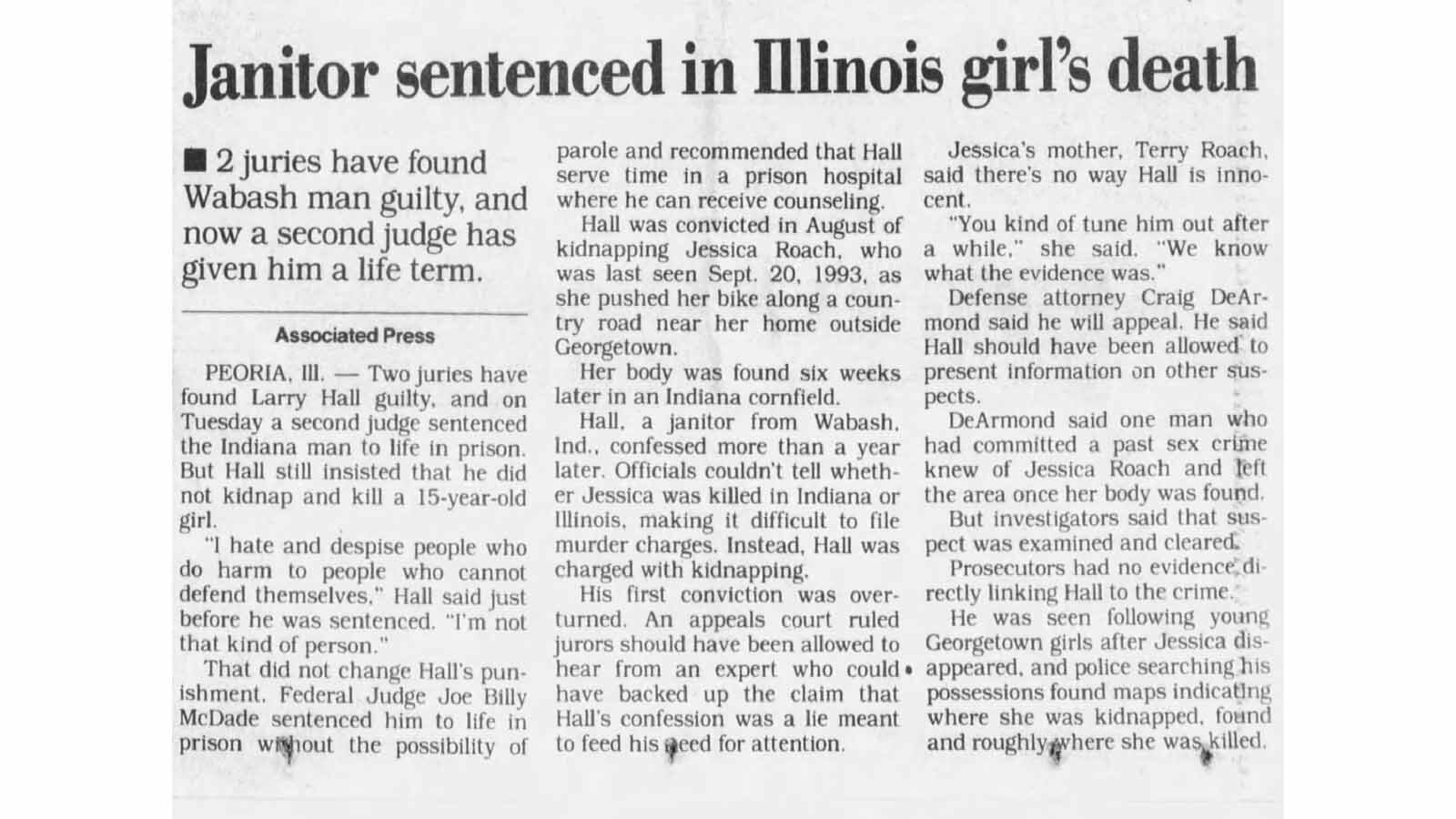
Hall, now 62, is currently serving a life sentence without the possibility of parole at the Federal Correctional Complex in Butler North Carolina for the 1993 kidnapping of 15-year-old Jessica Roach, whose body was found six weeks later in an Indiana field.
Hall denies being responsible for the kidnapping and murder.
He did not respond to a letter sent by Cowboy State Daily inquiring about his potential involvement in Kidder’s death.
Hall has a long and sordid history of the alleged rape and murder or upwards of 50 women and girls, many of whom are still missing, beginning in the early 1980s up until his arrest in 1994, according to a report compiled by researchers in the Psychology Department at the Radford University, in Radford, Virginia.
Many of these alleged crimes occurred in areas where he was known to have been for battle enactments spanning 22 states from Tennessee, Illinois, Michigan and as far east as Maryland and Pennsylvania and south to Georgia and Alabama. The furthest West the researchers could track Hall was Missouri.
The son of a grave digger from Wabash, Indiana, Hall is thought to have killed his first victim, 14-year-old Dean Marie Pyle Peters, who disappeared in February 1981 from a middle school in Grand Rapids, Michigan, when Hall was 18.
Hall allegedly went on to abduct two more teen girls who are still missing over the next four years until the body of 21-year-old, Marie Fuller Swinford was found strangled and sexually mutilated in Vigo County, Indiana.
There are many more victims thought to be raped, killed or stalked by Hall, the report states, though to date he has not been charged with any of the crimes, despite confessing to a handful over the years and then recanting that confession.
Law enforcement did not give up on finding answers after Hall was incarcerated. The FBI enlisted a charismatic inmate named James Keene befriended Hall in hopes of gleaning confessions on his alleged crimes. Keene saw a map that Hall made with red dots denoting the burial sites of his victims.
Keene blew his cover after confronting Hall and calling him a “sicko” after which Hall allegedly destroyed the map.
The relationship between the two is portrayed in the 2022 crime drama miniseries, “Black Bird.”
  • Cst 8 30 25
  • Cst 2 10 11 25

Connection to another notorious murder

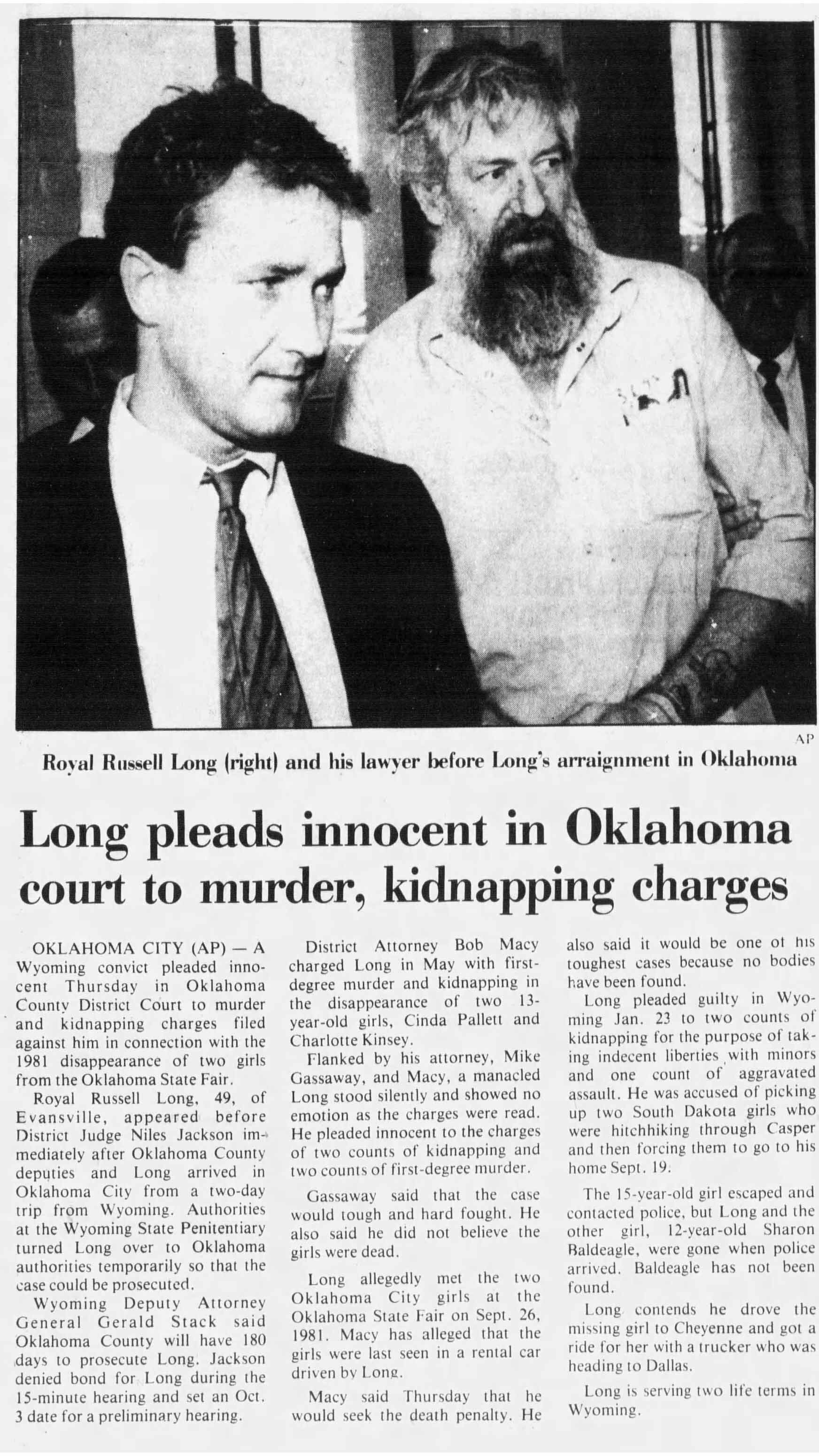
Hall was not the only notorious suspected serial killer that police were investigating. Media reports indicate that investigators also looked into Royal Russell Long, Tholson told the Casper-Star Tribune.
And though they could tie Long, a long-haul trucker, to the Casper-area at the time of Kidder’s murder based on his trucking records, Tholson said there was no other evidence to tie him to the crime.
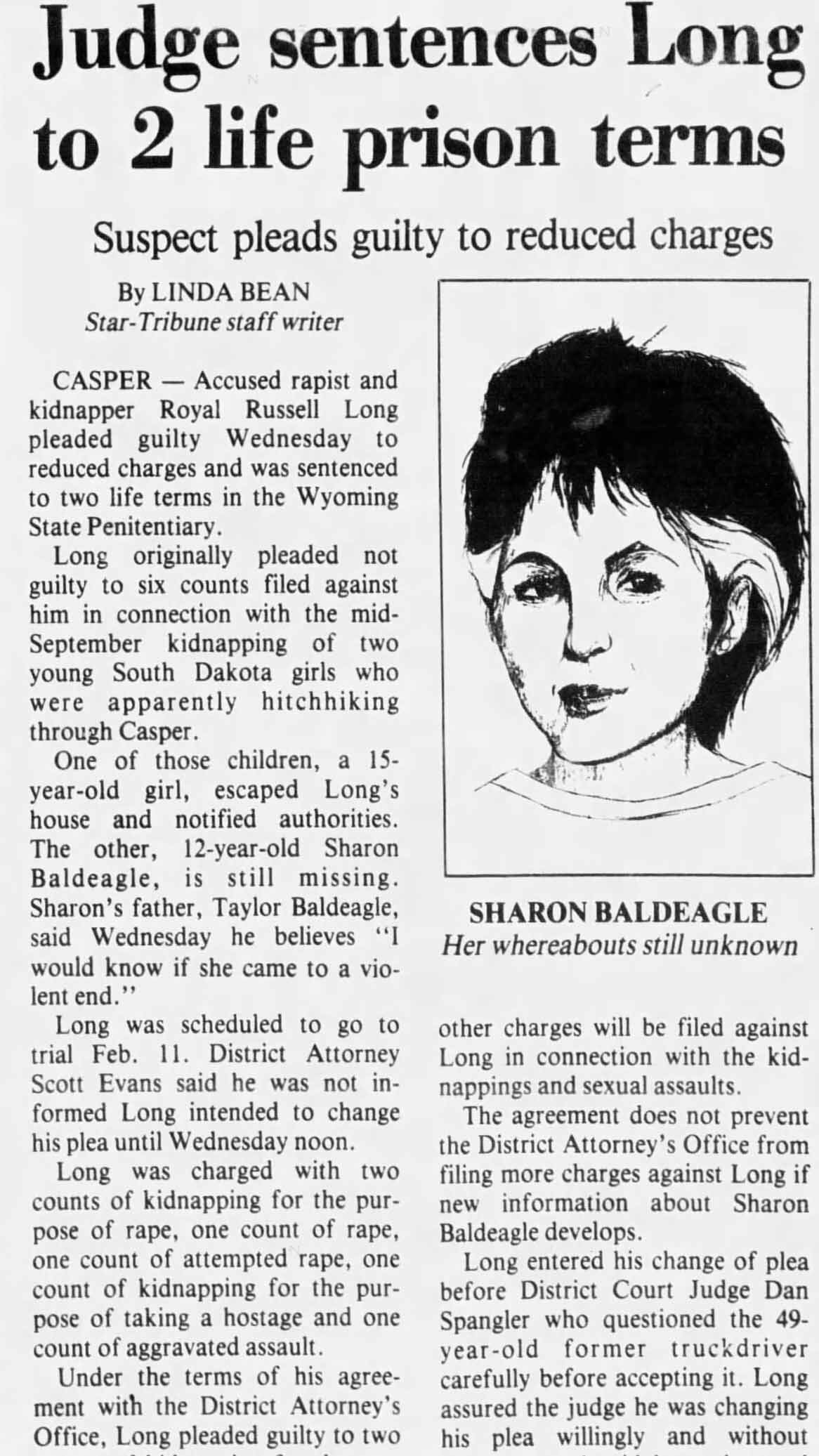
Long was also suspected of multiple rapes and murders in Wyoming, Oklahoma, Arizona among other states, but was only charged with the kidnapping and sexual assault of 12-year-old Sharon Baldeagle and her friend in 1984.
The two had been hitchhiking when they were abducted by Long, who tied them up at gunpoint and took them to his home in Evansville. The friend was able to escape and call for help, but Long fled with Baldeagle, who was not with him when police arrested him in New Mexico.
He pleaded guilty to the two counts of kidnapping and received two life sentences, according to legal documents.
Long was also charged, but not convicted, with the murders of two 13-year-old girls in Oklahoma. He died in a Wyoming prison of a heart attack in 1993, taking his secrets to his grave.

“Rawlins Rodeo Murders”

Long has also been linked to the unsolved murders of four girls in Rawlins, dubbed the “Rawlins Rodeo Murders,” where Long, lived at the time and was known to carry equipment to local fairs and carnivals.
The victims include 19-year-old teens, Christy Gross and Carlene Brown, who vanished on the way home from the Little Britches Rodeo on July 4, 1974. Gross’s skeletal remains were found nearly a decade later, with her death determined to be homicide from blunt force trauma to her head. Brown still remains missing.
Also missing is 14-year-old Deborah Meyer, who was last seen walking to a Rawlins movie theater in August 1974.
Jayleen Banker, then 10, disappeared from the Carbon County Fairgrounds that same month. Her partially clothed body was discovered in a field eight months later.
Janet Franson, a retired Lakeland, Florida, homicide detective currently living in Powell, does not believe Long is connected to Kidder’s murder. Franson, who has worked as a volunteer investigator for several national cold case coalitions and nonprofits, has been studying Long’s connections to the Rawlins murders since 2001.
Franson continues to search for Brown and Meyer.
In terms of Kidder’s death, though she’s not discounting Long, but she tends to think Hall is a better suspect given Long’s suspected mode of killing – blunt force trauma to the head – based on the two murder victims who were found.
“And while I won’t discount RRL [Royal Russell Long], I am leaning toward the other guy first,” Franson said.

Yet another tie to notorious Wyoming murder

Six years after Kidder’s body was found, another young woman, Lisa Marie Kimmel, was reported missing in March 1988. Kimmel, also 18, had been driving from Denver to her family’s home in Billings, Montana, when she disappeared in Wyoming enroute.
Kimmel, who was also known as “Lil Miss” based on her vanity license plate, was found eight days later floating in the North Platte River. Her case remained cold for 14 years until DNA profiling led to the arrest of her killer, Dale Wayne Eaton, who had buried Kimmel’s car on his property.
Before Eaton was arrested, investigators thought there might be a tie between the two young women.
Sealey, Kidder’s sister, is fuzzy on the details of this connection, but recalls someone giving her mother a note about the two murders potentially being tied to the same killer. Her mother turned over the note to law enforcement, which led to Kidder’s then still-unidentified body being exhumed from the Highland Park Cemetery in Casper, according to reporting by the Casper-Star Tribune.
Ultimately, however, no link was found, Tholson reported to the media.

Still no answers

Throughout the years, investigators have taken cracks at existing evidence as new technology prevails including testing the “hippie” jade necklace that had been found within 25 feet of Kidder’s body.
Those tests yielded no DNA, Hett confirmed.
Otherwise, Sealey and her family are left with questions about what happened to Kidder and whether anyone will ever be held accountable for the crime.
In the absence of answers, Sealey has her own theories.
Sealey wonders if other potential suspects, including the county commissioner on whose land Kidder’s body was found, were thoroughly vetted. Regardless, she questions if her sister will ever see justice.
Over the years, there’s been one let down after another, Sealey said. Still, she can’t let it go and feels compelled to share her sister’s story.
“I always feel like one more time, let’s keep it out there,” she said.
 
Only 3 more to identify by the sounds of it.

Ten victims have been named, but at least three others remain a mystery


Andrea Cavallier
in New York
Wednesday 30 April 2025 19:58


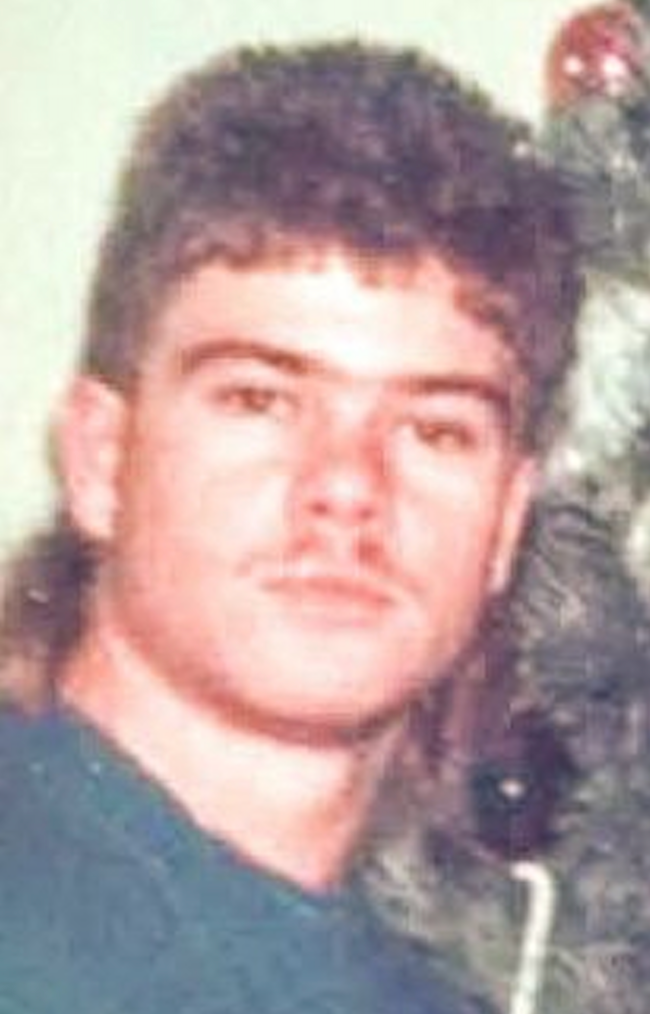
Authorities have identified the remains of a 10th victim found on the property of suspected Indiana serial killer Herb Baumeister (right) as Daniel Thomas Halloran (left)

open image in gallery

Authorities have identified the remains of a 10th victim found on the property of suspected Indiana serial killer Herb Baumeister (right) as Daniel Thomas Halloran (left)
(Othram/Indianapolis Police Department)


Nearly three decades after thousands of pieces of human remains were found scattered at the Indiana farm of suspected
serial killer Herb Baumeister, another victim has his name back.

Daniel Thomas Halloran is the 10th person to be identified, Hamilton County Coroner Jeff Jellison
announced on Tuesday.

Baumeister, who is considered one of America’s most notorious serial killers, is believed to have killed at least 25 people between the late 1980s and the early 1990s, hunting mostly gay men in the Indianapolis
suburb of Westfield, Indiana.

He lured the men to the 18-acre property known as Fox Hollow Farm, where he killed them and disposed of their remains on the vast grounds. More than 10,000 pieces of burnt bone fragments were recovered, but the identities of many of them have remained a mystery for decades.
Baumeister’s 18-acre estate in Westfield, Indiana where the remains of several victims were found

open image in gallery


Baumeister’s 18-acre estate in Westfield, Indiana where the remains of several victims were found (Hamilton County Coroner's Office)


Halloran was identified through “advanced forensic testing” and genetic genealogy conducted by Othram, Inc., a forensic genealogy lab in Texas.

He was born in 1972, but his date of death is unknown, Jellison said.
“This is a significant development in our ongoing efforts to provide answers to the families of those who went missing,” Jellison said. “We are grateful for the expertise of Othram and the advances in forensic science that made this possible.”
But Jellison admitted to
13News that Halloran’s identity was a shock to investigators.

“He was an individual that was not on our radar,” Jellison said. “We didn't know anything about him.”
Nailing down his identity was complicated, he said, as Halloran had no living parents or siblings. But his mother had died of an overdose and the coroner in Indianapolis had a DNA card for her, which they “were able to do the comparison of the DNA from the remains to the mother's DNA and lock in that identification,” Jellison said.
Halloran is the 10th person to be identified, Hamilton County Coroner Jeff Jellison announced on Tuesday

open image in gallery


Halloran is the 10th person to be identified, Hamilton County Coroner Jeff Jellison announced on Tuesday (Othram)


“We went through most of the investigation without even knowing he had a daughter,” he added.
Coral Halloran, 32, was just two years told when her father left, so she never knew him, she told 13News
.
“I feel kind of like I'm mourning,” Coral said. “All my life, I kind of expected my dad to be around and one day hoping he'd come try to find me.”
She added that her mother even hired a private investigator at one point to try and find Halloran, but the family knew about Baumeister and suspected he may have been responsible.
“It makes me sick and weary to my stomach, having to know my dad was brutally murdered,” Coral said. “It's hard. And for all the other victims out there, their families, I'm with them. I'm praying hard for them.”

Baumeister went untraced for more than a decade.
But when his 15-year-old son discovered some charred bone fragments and the human skulls in 1994, it all came crashing down.
Police found the remains, including bone fragments, a skull and teeth two years later after authorities searched the property while Baumeister wasn’t home, and dug up the remains of several victims, leading to a warrant for his arrest.
After police named Baumeister as a suspect in 1996, he fled to Canada, where he fatally shot himself

open image in gallery

After police named Baumeister as a suspect in 1996, he fled to Canada, where he fatally shot himself (Indianapolis Police Dept)


After police named Baumeister as a suspect in 1996, he fled to
Ontario, Canada, where he fatally shot himself. He was never charged with the murders and he did not admit to any of the crimes in his suicide note.
More remains were discovered later the same year when police returned to the property.
In 2022, Jellison announced his intention to identify all the remains. He said there could be as many as 25 additional people from Fox Hollow Farm.
Now, with the identification of Halloran, 10 victims have been named, but at least three still remain a mystery.
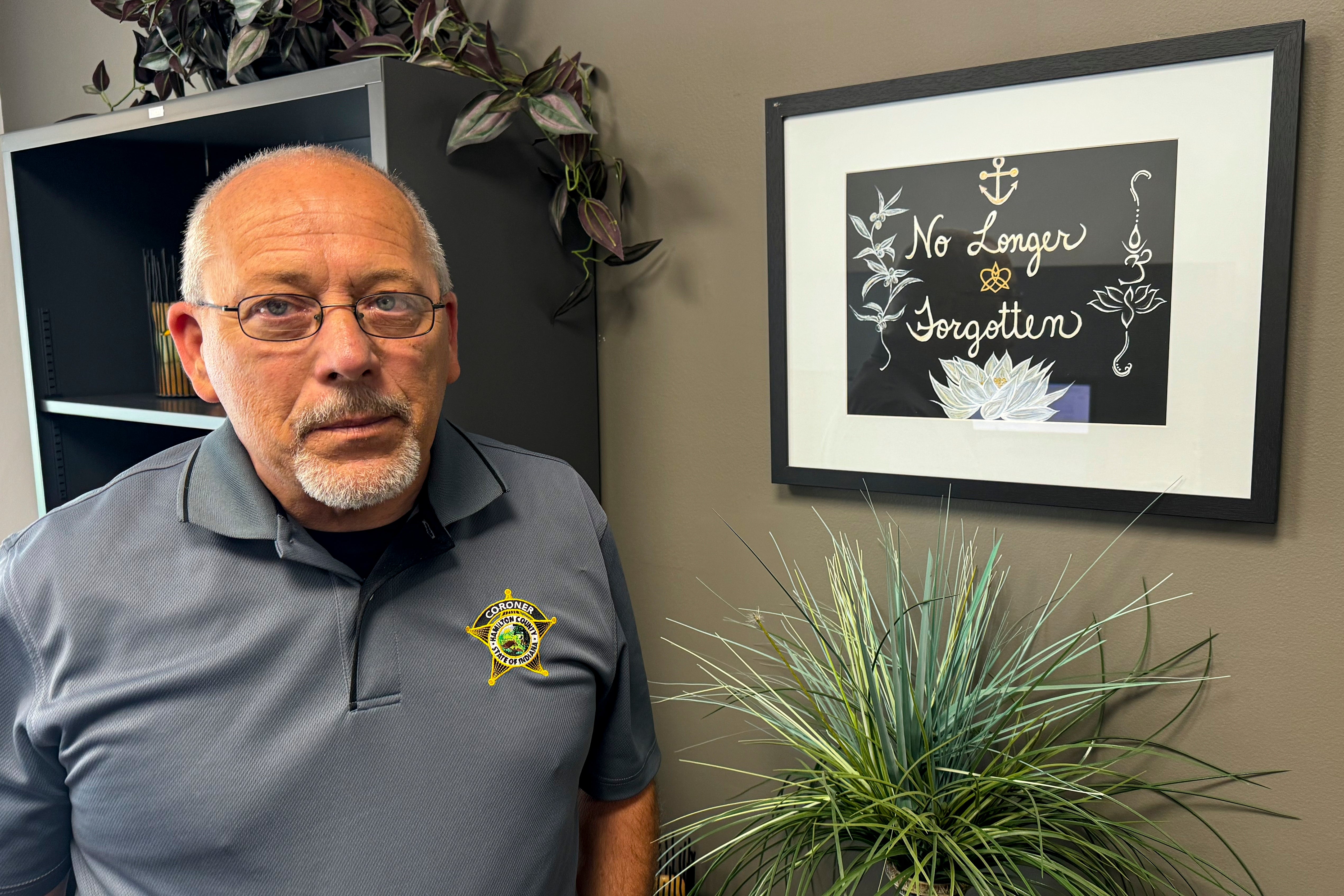
Hamilton County Coroner Jeff Jellison stands in his office on July 11, 2024, in front of a painting reading ‘No Longer Forgotten’ that his wife created as reminder of his ongoing work to identify some 10,000 human bones and bone fragments unearthed on Baumeister's suburban Indianapolis property starting in 1996

open image in gallery

Hamilton County Coroner Jeff Jellison stands in his office on July 11, 2024, in front of a painting reading ‘No Longer Forgotten’ that his wife created as reminder of his ongoing work to identify some 10,000 human bones and bone fragments unearthed on Baumeister's suburban Indianapolis property starting in 1996 (Copyright 2024 The Associated Press. All rights reserved.)


“We now know we have four more people, with Halloran and three unidentified DNA profiles,” Jellison said.
“That has all come about in a two-to-three-month time period.”

The other nine victims who have been identified are Jeffrey Allen “Jeff” Jones, Allen Lee Livingston, Manuel Resendez, John Lee “Johnny” Bayer, Richard Douglas Hamilton Jr., Steven Spurlin Hale, Allen Wayne Broussard, Roger Allen Goodlet and Michael Frederick “Mike” Keirn.

Jellison encourages any family member of a person that went missing in the 1980s or 1990s to come forward and submit their DNA for genetic testing.

 
Last edited:

Users who are viewing this thread

Forum statistics

Threads
3,281
Messages
298,221
Members
1,105
Latest member
lenner1968
Back
Top Bottom