Miguel Salgureo Olivares' guilt or innocence in the Sept. 2012 death of Faith Hedgepeth is now in the hands of 12 jurors.

6abc.com
Prosecutors cite DNA evidence, defense questions investigation as Faith Hedgepeth trial goes to jury
After nearly 14 years of waiting,
Faith Hedgepeth's family is once again looking for answers.
Jurors began deliberating Thursday afternoon in
the murder trial of Miguel Salguero Olivares following emotional and often contentious closing arguments from both sides. There were tears and hugs inside the courtroom as the case was finally handed to the jury.
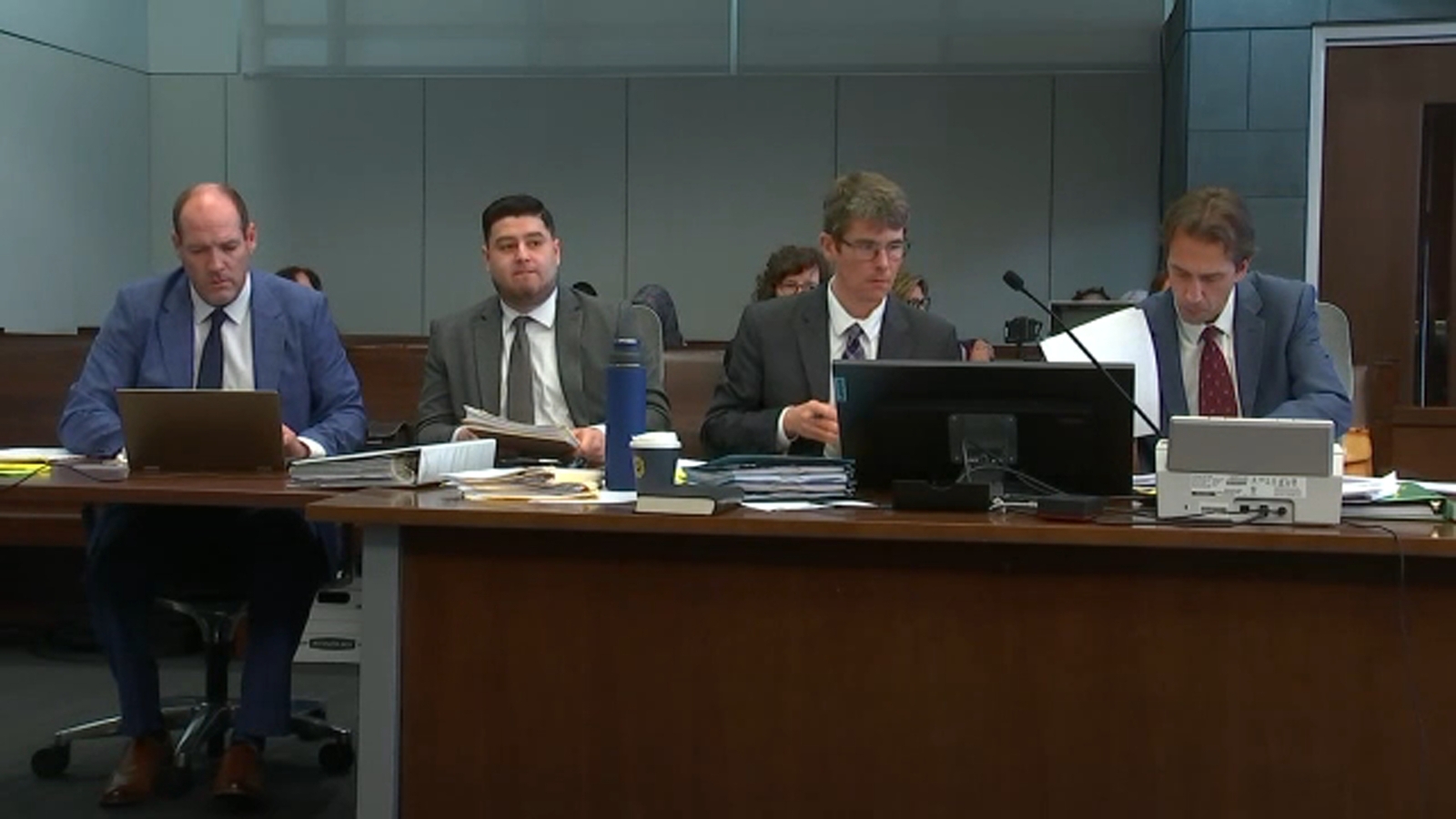
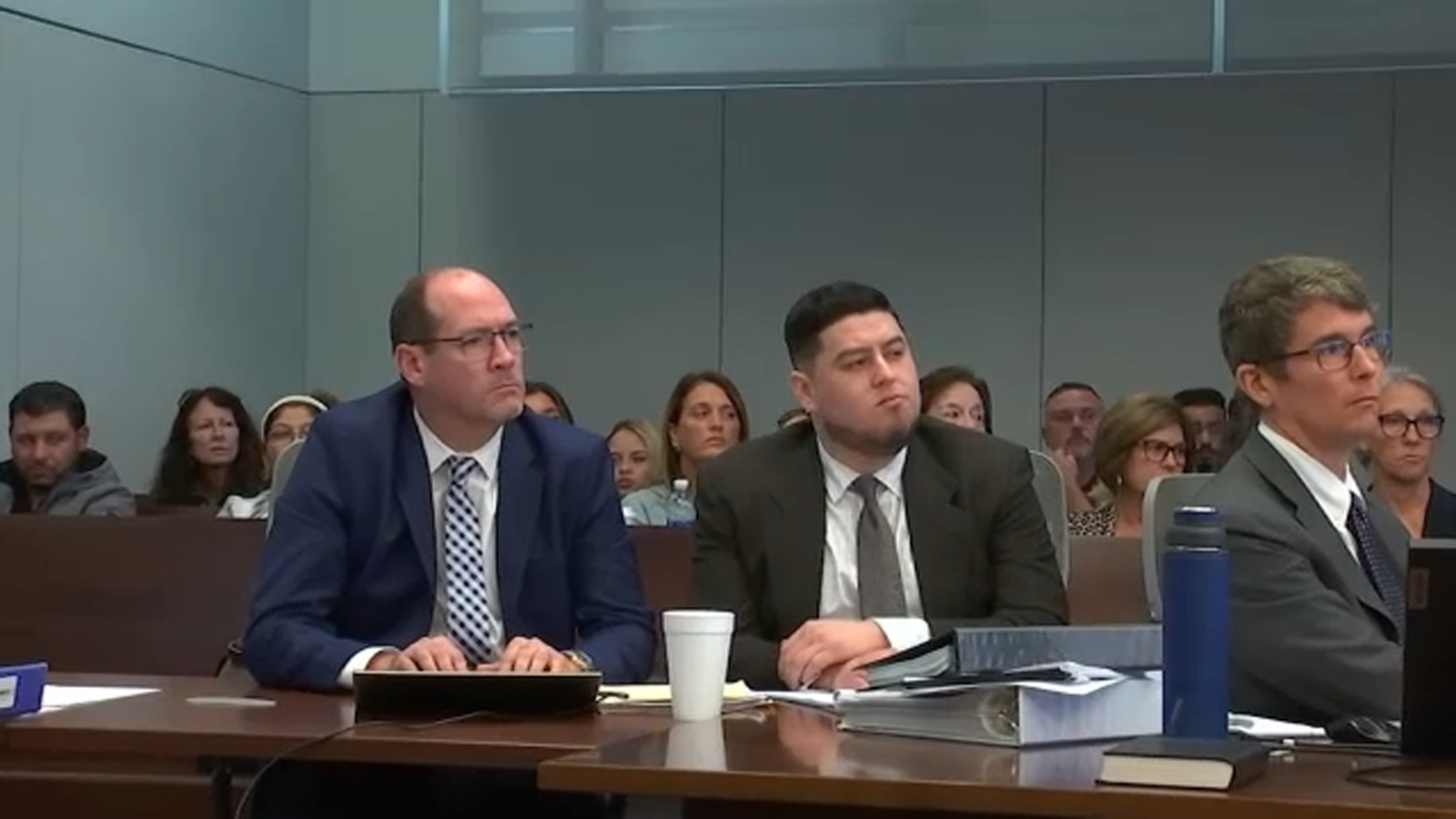
The courtroom was packed shoulder-to-shoulder throughout the day. Hedgepeth's loved ones occupied three rows of seats, while Olivares' mother and other supporters also attended the proceedings.
The state began closing arguments by telling jurors that Olivares left his DNA "like confetti" at the crime scene.
Prosecutors pointed to DNA evidence found on a blue Riesling wine bottle, a Bacardi rum bottle and on Hedgepeth's body. They also highlighted fingerprint evidence recovered from the bottles.
Prosecutors argued the forensic evidence overwhelmingly points to Olivares as the person responsible for Hedgepeth's death. They told jurors he broke into Hedgepeth's apartment, sexually assaulted her and then beat her to death.
Using an easel in the courtroom, prosecutors walked jurors through each charge and explained why they believe the evidence supports a conviction.
At one point, Senior Assistant District Attorney Angela Garcia-LaMarca told jurors the case comes down to a single question: whether they believe the forensic evidence.
"There's really just one question that y'all need to answer, and that is, do you believe the forensic evidence in this case?" Garcia-LaMarca said. "Do you believe the scientifically reliable, otherwise unexplained, consistent, credible DNA and fingerprints? Those are two totally separate things. One or the other would be enough. We have both."
Garcia-LaMarca argued that if jurors reject the forensic evidence, they must acquit Olivares.
"If you don't, then you have to find him not guilty and let him walk out the door with you," she said.
"But if you do, and you believe all of the other evidence that is consistent with and corroborates the DNA, if the forensic evidence is credible and believable, then you have to find him guilty."
Prosecutor Lisa Coltrain also challenged any suggestion that Hedgepeth and Olivares had a consensual encounter before her death.
Coltrain told jurors there was no evidence the two knew each other and argued investigators found no digital connection between them after identifying Olivares through DNA evidence.
Defense attorney James Rainsford challenged testimony related to crime scene reconstruction.
"You had someone say they were a crime scene reconstruction expert," Rainsford told jurors. "You hadn't heard from that person in that discipline in this case. You did hear that people looked at these photographs and drew conclusions."
Rainsford also sought to raise doubts about how evidence was vetted and analyzed during the yearslong investigation.
"You have to forgive me if that creates a little bit of a lack of confidence in the state's vetting of its evidence that it is presenting to you in this case and asking you to rely on to reach a verdict of guilt in a murder and rape case, a life sentence," Rainsford said.
He questioned how investigators processed digital evidence.
"What else did they miss? What else with the computers? We downloaded lots of cell phones. Who downloaded them? What programs did they use? Who were the team members? What were the parameters for the searches?" he asked.
Rainsford told jurors that the defense's role is to test the state's evidence and determine whether prosecutors met their burden of proof.
"We are here to test the state's evidence and say, what does it mean?" Rainsford said.
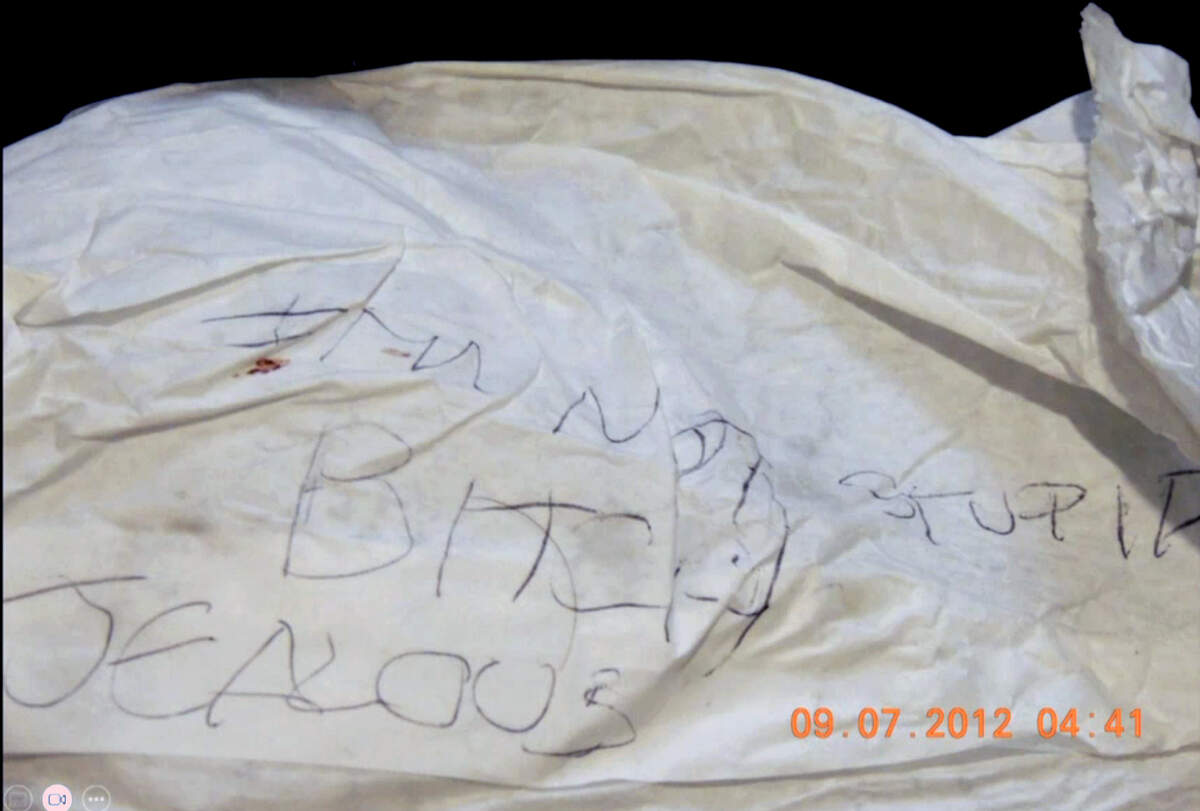
He argued jurors were left with unanswered questions about key pieces of evidence, including the note found at the crime scene.
"What can you draw from? Have you been given enough to make a determination about what you think about who even sent that message? I would say no."
Rainsford argued it was the state's responsibility to eliminate alternative explanations and resolve remaining questions.
"It's up to the state to rule these things out, to close these things down."