• It's FREE to join our group and ALL MEMBERS ARE AD-FREE!

FAITH HEDGEPETH: NC vs. Miguel Salguero-Olivares for 2012 cold case murder in Chapel Hill *VERDICT WATCH*

220px-Faith_Hedgepth.jpg
faith.webp
Faith was a 19-year-old junior at the University of North Carolina in Chapel Hill when, on the morning of Sept. 7, 2012, a returning roommate discovered her body in a bedroom of the off-campus apartment they shared, according to the roommate's 911 call.

An autopsy revealed Faith died after a severe beating to the head; investigators believed the weapon was an empty but unbroken bottle of Bacardi peach-flavored rum found at the scene, covered in blood.

From that moment on, police have searched unsuccessfully for an assailant.
 
Last edited by a moderator:
I can’t imagine coming home and finding my roommate in that kind of a condition. She’s a brave girl to continue to be questioned over time and now be on the stand.
 
AI TRIAL SUMMARY:

Current Trial Developments
The latest updates from the third day of active testimony include:
  • Graphic Crime Scene Review: Jurors were shown police video of the 2012 crime scene, depicting blood spatter on the walls and blood-stained bedding in Hedgepeth's apartment bedroom. Chapel Hill Police forensic evidence technician Tamika Price returned to the stand to guide the court through this evidence. [1, 2, 3]
  • Cross-Examination of the Roommate: Defense attorneys heavily cross-examined former roommate Karena Rosario. They questioned her about a blood stain found on a bathroom door frame and a red stain on the tube top she wore to a nightclub the night before the murder. Rosario testified that she could not recall several specifics, stating, "It's been 14 years... I can't say with 100% certainty I remember a lot of stuff." [1]
  • Nightclub Footage & Witness Testimony: Former security guard Mitchell testified about seeing Hedgepeth and Rosario at "The Thrill" nightclub. Surveillance video showed them leaving together at roughly 2:07 a.m.. Friend Marisol Rangel also took the stand, describing the moment she and Rosario discovered Hedgepeth's body wrapped in a comforter.
 

Defendant's palm print found on bottle at Faith Hedgepeth crime scene, expert testifies​

The former lead investigator in the Faith Hedgepeth murder case returned to the witness stand Tuesday, facing defense questions about how evidence was collected and processed during the investigation.

Johnnie Britt, who led the case for years, was asked about several items at the crime scene that were never collected or tested.

During cross-examination, Britt said she did not know why a hand towel found near the sink was never collected for testing.

The defense also questioned why the bathroom trash can was not searched. Britt said she could not speak to those decisions because she was not the investigator who executed the search warrant.

On redirect, prosecutors later asked Britt what, if anything, she would have done differently if she could revisit the investigation.

Britt acknowledged investigators often look back on cases to identify missed opportunities and referenced the gas cap from Hedgepeth's vehicle as one item she may have tested.

However, she maintained that additional testing would not change the significance of the DNA evidence collected in the case.

"I think with any investigation, and probably just with life in general, there's always things we look back on," Britt testified. "If we're not doing that, it's probably not a good thing because we're not learning."

She pointed to the gas cap on Faith Hedgepeth's vehicle as one item she may have chosen to test.

However, Britt said additional testing would not change the evidence investigators ultimately recovered.

"It doesn't make or break what we found in that apartment. It doesn't negate any of that DNA evidence that we have in the apartment and on Faith's body," Britt testified.

The final witness of the day was Summer Maffett, a forensic scientist with the North Carolina State Crime Laboratory.

Maffett testified she processed several items recovered from the crime scene, including the Blue Riesling wine bottle, a Bacardi bottle, Faith Hedgepeth's cellphone and cellphone case, and a white paper bag, searching for fingerprint evidence.

She told jurors that a palm print found on the Blue Riesling bottle matched the defendant.
I think she answered those defense questions quite well. Especially the part about how you learn from what you missed the last time. That’s the same in everything.
 

Defense challenges DNA evidence collection in Faith Hedgepeth murder trial​

Jurors spent another day hearing detailed forensic testimony in the Faith Hedgepeth murder trial, with defense attorneys beginning their cross-examination of the state's DNA expert and focusing on what they contend were shortcomings in the handling and testing of evidence.

Erin Ermish, a forensic scientist with the North Carolina State Crime Lab, was the only witness to testify Thursday.

Ermish's role at the crime lab includes analyzing biological evidence such as blood, semen and saliva. She testified that she first examined evidence in the case in 2012, but re-examined several items in 2021 using updated DNA testing technology that allowed scientists to analyze additional portions of DNA profiles.

According to Ermish, DNA profiles from a Bacardi rum bottle, a blue Riesling wine bottle, a white bag, Faith Hedgepeth's boxer shorts and samples collected from Hedgepeth's body included DNA from defendant Miguel Salguero Olivares.

During direct examination, Ermish explained one of the DNA mixtures analyzed in the case.


"The mixture contains two interpretable components, and Faith Hedgepeth, the donor of the known sample, is assumed as being a contributor of DNA to this mixture. The DNA profile obtained from Miguel Enrique Salguero Olivares is included as a possible contributor to this mixture profile, and the DNA profile obtained from Karina Rosario is excluded as a contributor to this mixture profile," Ermish testified.

As cross-examination began Thursday afternoon, defense attorneys focused on evidence collection and testing decisions, attempting to cast doubt on the state's DNA evidence.

Attorneys questioned Ermish about items that were not tested, including a piece of paper found between Faith Hedgepeth's cellphone and its case. The defense repeatedly asked why the paper was not swabbed for DNA.

"There was a piece of paper there that I guess was in between the cell phone case and the cell phone itself. Did you take any swabs from that?" a defense attorney asked.

"No," Ermish responded.

"Any reason why?"

"My primary purpose for examining this item was the cell phone."

"And not the piece of paper that was contained with the cell phone? You didn't want to know whose biological material might be on a note or a piece of paper with the cell phone that's got blood on it?"

"As far as the piece of paper itself, that was included with the phone. But my understanding was the phone was the item that needed to be analyzed," Ermish replied.

The defense also questioned Ermish about other evidence collected from the apartment that was not tested, including pillows, bed sheets and a comforter, as well as how many times Hedgepeth's boxer shorts were handled before reaching the crime lab.

The lengthy scientific testimony appeared taxing for some jurors. At one point, a juror sent a note to the judge asking how much longer the trial is expected to last.

The judge reminded jurors that proceedings could continue for five to six weeks.

Faith Hedgepeth's loved ones remained a strong presence in the courtroom, filling three rows of seats throughout the day as they listened to testimony. The defendant's mother has also been present in the courtroom this week.

They made a mistake that turned something into his DNA!!!!

:rofl:
 

Defense challenges DNA evidence collection in Faith Hedgepeth murder trial​

Jurors spent another day hearing detailed forensic testimony in the Faith Hedgepeth murder trial, with defense attorneys beginning their cross-examination of the state's DNA expert and focusing on what they contend were shortcomings in the handling and testing of evidence.

Erin Ermish, a forensic scientist with the North Carolina State Crime Lab, was the only witness to testify Thursday.

Ermish's role at the crime lab includes analyzing biological evidence such as blood, semen and saliva. She testified that she first examined evidence in the case in 2012, but re-examined several items in 2021 using updated DNA testing technology that allowed scientists to analyze additional portions of DNA profiles.

According to Ermish, DNA profiles from a Bacardi rum bottle, a blue Riesling wine bottle, a white bag, Faith Hedgepeth's boxer shorts and samples collected from Hedgepeth's body included DNA from defendant Miguel Salguero Olivares.

During direct examination, Ermish explained one of the DNA mixtures analyzed in the case.


"The mixture contains two interpretable components, and Faith Hedgepeth, the donor of the known sample, is assumed as being a contributor of DNA to this mixture. The DNA profile obtained from Miguel Enrique Salguero Olivares is included as a possible contributor to this mixture profile, and the DNA profile obtained from Karina Rosario is excluded as a contributor to this mixture profile," Ermish testified.

As cross-examination began Thursday afternoon, defense attorneys focused on evidence collection and testing decisions, attempting to cast doubt on the state's DNA evidence.

Attorneys questioned Ermish about items that were not tested, including a piece of paper found between Faith Hedgepeth's cellphone and its case. The defense repeatedly asked why the paper was not swabbed for DNA.

"There was a piece of paper there that I guess was in between the cell phone case and the cell phone itself. Did you take any swabs from that?" a defense attorney asked.

"No," Ermish responded.

"Any reason why?"

"My primary purpose for examining this item was the cell phone."

"And not the piece of paper that was contained with the cell phone? You didn't want to know whose biological material might be on a note or a piece of paper with the cell phone that's got blood on it?"

"As far as the piece of paper itself, that was included with the phone. But my understanding was the phone was the item that needed to be analyzed," Ermish replied.

The defense also questioned Ermish about other evidence collected from the apartment that was not tested, including pillows, bed sheets and a comforter, as well as how many times Hedgepeth's boxer shorts were handled before reaching the crime lab.

The lengthy scientific testimony appeared taxing for some jurors. At one point, a juror sent a note to the judge asking how much longer the trial is expected to last.

The judge reminded jurors that proceedings could continue for five to six weeks.

Faith Hedgepeth's loved ones remained a strong presence in the courtroom, filling three rows of seats throughout the day as they listened to testimony. The defendant's mother has also been present in the courtroom this week.
Grasping at straws about the piece of paper between the Phineas its case.
 
The prosecution has officially rested its case in the murder trial of Miguel Salguero-Olivares, who is accused of the 2012 rape and beating death of 19-year-old UNC-Chapel Hill student Faith Hedgepeth. The state rested on October 19, 2026, after calling 23 witnesses over nine days of testimony. Following the state resting, the judge denied a defense motion to dismiss the charges. [1]
 

SBI agent tied note to Faith Hedgepeth’s accused killer. It was an internet meme.​

One of the lead investigators in Faith Hedgepeth’s killing told jurors Monday that a handwritten note he previously attributed to the man charged with her murder and rape was actually an internet meme — not something the defendant had written.

State Bureau of Investigation agent Justin Heinrich acknowledged the mistake after showing jurors the image Friday as part of the prosecution’s effort to connect Miguel Salguero Olivares to a note found on Hedgepeth’s bed after her killing in September 2012.

The admission came as defense attorneys continued to challenge the investigation into the UNC-Chapel Hill student’s death, raising questions about how investigators collected, analyzed and interpreted evidence used to build the case against Salguero Olivares, who has pleaded not guilty.

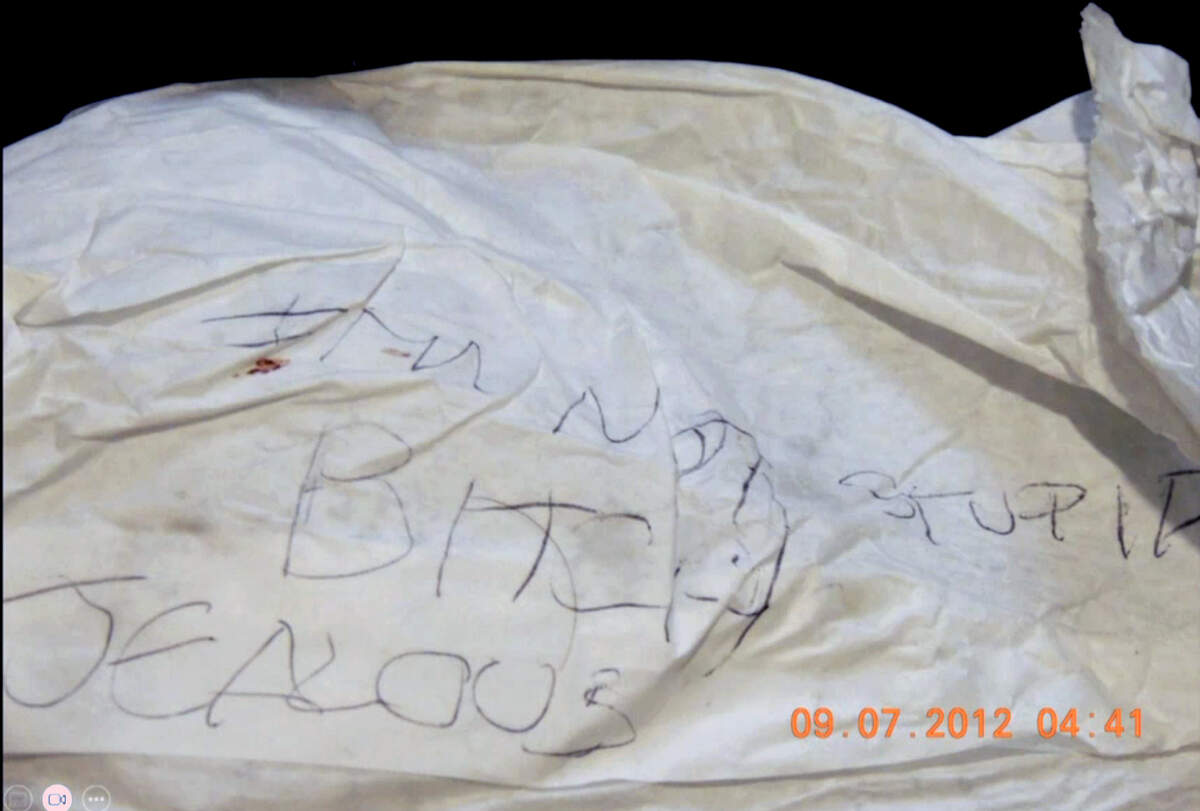
Heinrich testified that he found the image, which showed foreign currency alongside a handwritten note, while reviewing the contents of Salguero Olivares’ laptop. He was searching for handwriting samples to compare with a message written on a white fast-food bag found on Hedgepeth’s bed.

That message on the bag read: “I AM NOT STUPID B- - - - JEALOUS”

Writing on a bag found in the bedroom where Faith Hedgepeth was beaten and murdered. Writing on the bag reads: “I’M NOT STUPID BITCH JEALOUS”.


Prosecutors contend that DNA evidence links Salguero Olivares to Hedgepeth’s body and several items found in her apartment, including a rum bottle they say was used to beat her to death, a wine bottle, boxer shorts and the note.

Heinrich said he noticed similarities between the handwriting on the two notes, including the use of capital letters and the letter size.

But over the weekend, he learned that the image from the laptop had been circulated widely online and was not an original note written by Salguero Olivares.

“It does not appear that the defendant was the author of that,” Heinrich testified Monday.

“All I knew is that in reviewing the content of the computer, that picture containing that note was there, and that contributed to the decision to introduce it,” he said.

Heinrich said he was glad to have the opportunity to correct his earlier testimony.

During questioning, Heinrich acknowledged that he had not taken steps to determine whether the image was a meme or had previously circulated online. He said SBI policy restricts investigators from conducting internet image searches involving sensitive evidence.
 

SBI agent tied note to Faith Hedgepeth’s accused killer. It was an internet meme.​

One of the lead investigators in Faith Hedgepeth’s killing told jurors Monday that a handwritten note he previously attributed to the man charged with her murder and rape was actually an internet meme — not something the defendant had written.

State Bureau of Investigation agent Justin Heinrich acknowledged the mistake after showing jurors the image Friday as part of the prosecution’s effort to connect Miguel Salguero Olivares to a note found on Hedgepeth’s bed after her killing in September 2012.

The admission came as defense attorneys continued to challenge the investigation into the UNC-Chapel Hill student’s death, raising questions about how investigators collected, analyzed and interpreted evidence used to build the case against Salguero Olivares, who has pleaded not guilty.

Heinrich testified that he found the image, which showed foreign currency alongside a handwritten note, while reviewing the contents of Salguero Olivares’ laptop. He was searching for handwriting samples to compare with a message written on a white fast-food bag found on Hedgepeth’s bed.

That message on the bag read: “I AM NOT STUPID B- - - - JEALOUS”

Writing on a bag found in the bedroom where Faith Hedgepeth was beaten and murdered. Writing on the bag reads: “I’M NOT STUPID ***** JEALOUS”.


Prosecutors contend that DNA evidence links Salguero Olivares to Hedgepeth’s body and several items found in her apartment, including a rum bottle they say was used to beat her to death, a wine bottle, boxer shorts and the note.

Heinrich said he noticed similarities between the handwriting on the two notes, including the use of capital letters and the letter size.

But over the weekend, he learned that the image from the laptop had been circulated widely online and was not an original note written by Salguero Olivares.

“It does not appear that the defendant was the author of that,” Heinrich testified Monday.

“All I knew is that in reviewing the content of the computer, that picture containing that note was there, and that contributed to the decision to introduce it,” he said.

Heinrich said he was glad to have the opportunity to correct his earlier testimony.

During questioning, Heinrich acknowledged that he had not taken steps to determine whether the image was a meme or had previously circulated online. He said SBI policy restricts investigators from conducting internet image searches involving sensitive evidence.
While I’m not happy that a mistake like that happened in court, I’m glad it got cleared up before the verdict! Otherwise, it would’ve been overturned and had to be retried!!!
 

Prosecutors cite DNA evidence, defense questions investigation as Faith Hedgepeth trial goes to jury​

After nearly 14 years of waiting, Faith Hedgepeth's family is once again looking for answers.

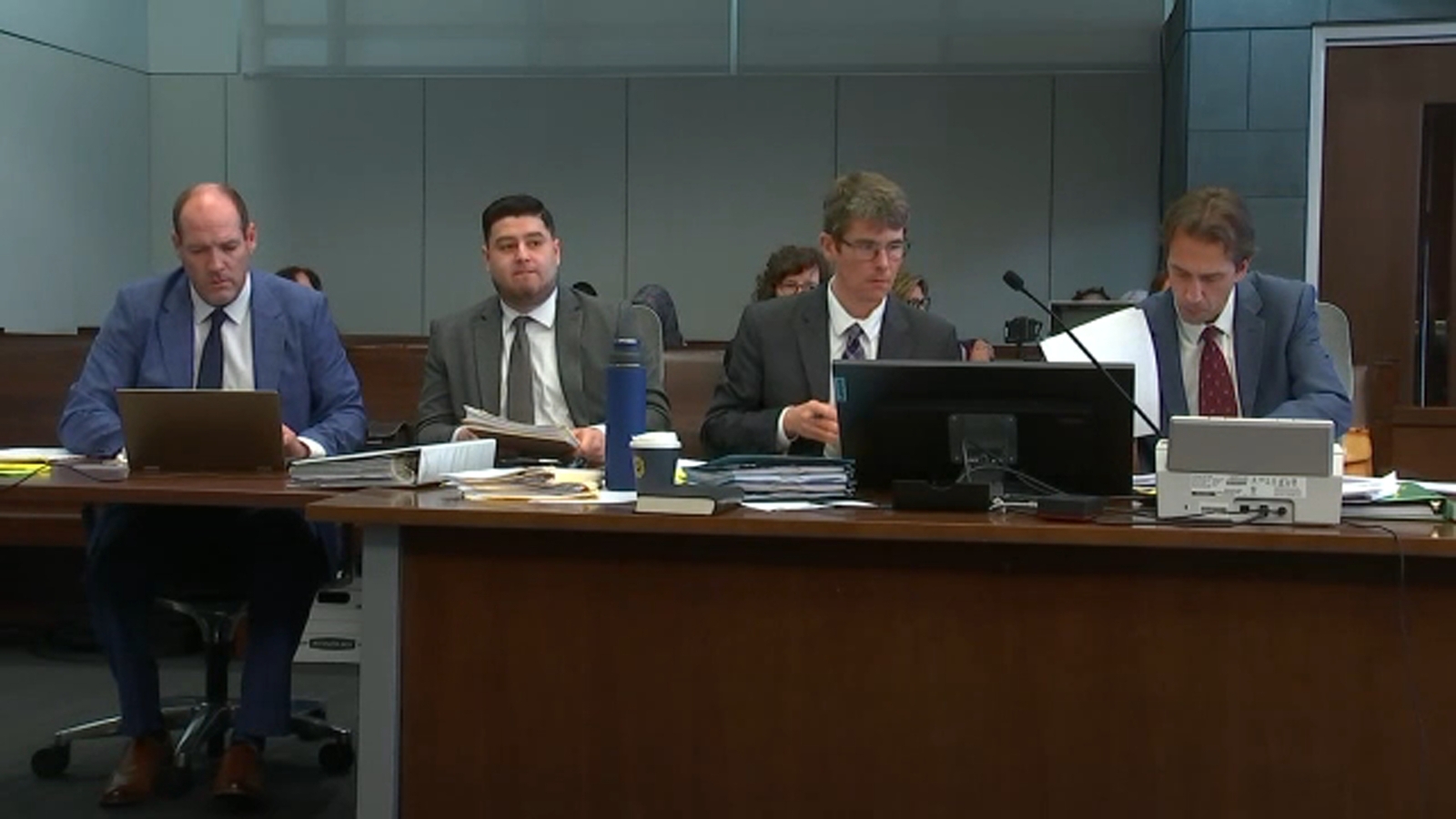
Jurors began deliberating Thursday afternoon in the murder trial of Miguel Salguero Olivares following emotional and often contentious closing arguments from both sides. There were tears and hugs inside the courtroom as the case was finally handed to the jury.

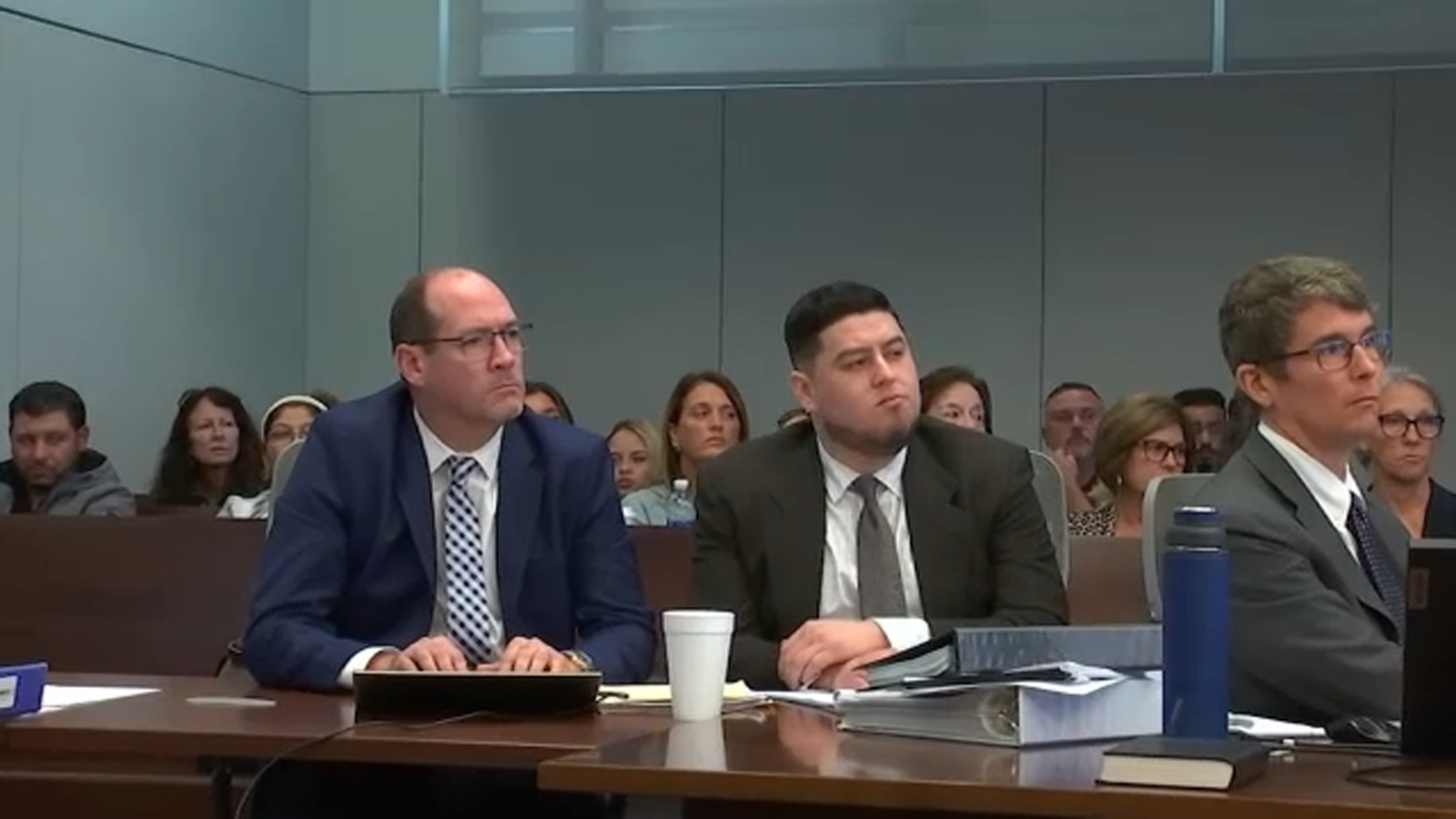
The courtroom was packed shoulder-to-shoulder throughout the day. Hedgepeth's loved ones occupied three rows of seats, while Olivares' mother and other supporters also attended the proceedings.

The state began closing arguments by telling jurors that Olivares left his DNA "like confetti" at the crime scene.

Prosecutors pointed to DNA evidence found on a blue Riesling wine bottle, a Bacardi rum bottle and on Hedgepeth's body. They also highlighted fingerprint evidence recovered from the bottles.


Prosecutors argued the forensic evidence overwhelmingly points to Olivares as the person responsible for Hedgepeth's death. They told jurors he broke into Hedgepeth's apartment, sexually assaulted her and then beat her to death.

Using an easel in the courtroom, prosecutors walked jurors through each charge and explained why they believe the evidence supports a conviction.

At one point, Senior Assistant District Attorney Angela Garcia-LaMarca told jurors the case comes down to a single question: whether they believe the forensic evidence.

"There's really just one question that y'all need to answer, and that is, do you believe the forensic evidence in this case?" Garcia-LaMarca said. "Do you believe the scientifically reliable, otherwise unexplained, consistent, credible DNA and fingerprints? Those are two totally separate things. One or the other would be enough. We have both."

Garcia-LaMarca argued that if jurors reject the forensic evidence, they must acquit Olivares.

"If you don't, then you have to find him not guilty and let him walk out the door with you," she said.

"But if you do, and you believe all of the other evidence that is consistent with and corroborates the DNA, if the forensic evidence is credible and believable, then you have to find him guilty."

Prosecutor Lisa Coltrain also challenged any suggestion that Hedgepeth and Olivares had a consensual encounter before her death.

Coltrain told jurors there was no evidence the two knew each other and argued investigators found no digital connection between them after identifying Olivares through DNA evidence.


Defense attorney James Rainsford challenged testimony related to crime scene reconstruction.

"You had someone say they were a crime scene reconstruction expert," Rainsford told jurors. "You hadn't heard from that person in that discipline in this case. You did hear that people looked at these photographs and drew conclusions."

Rainsford also sought to raise doubts about how evidence was vetted and analyzed during the yearslong investigation.

"You have to forgive me if that creates a little bit of a lack of confidence in the state's vetting of its evidence that it is presenting to you in this case and asking you to rely on to reach a verdict of guilt in a murder and rape case, a life sentence," Rainsford said.

He questioned how investigators processed digital evidence.

"What else did they miss? What else with the computers? We downloaded lots of cell phones. Who downloaded them? What programs did they use? Who were the team members? What were the parameters for the searches?" he asked.

Rainsford told jurors that the defense's role is to test the state's evidence and determine whether prosecutors met their burden of proof.

"We are here to test the state's evidence and say, what does it mean?" Rainsford said.

He argued jurors were left with unanswered questions about key pieces of evidence, including the note found at the crime scene.

"What can you draw from? Have you been given enough to make a determination about what you think about who even sent that message? I would say no."

Rainsford argued it was the state's responsibility to eliminate alternative explanations and resolve remaining questions.

"It's up to the state to rule these things out, to close these things down."

 

Forum statistics

Threads
3,314
Messages
303,109
Members
1,123
Latest member
mistydawn87
Back
Top Bottom