The findings show that over an eight-year period, 14 calls were made to DCYF about the family.

komonews.com
State fatality review details DCYF gaps and strengths in missing Oakley Carlson case
After more than four years of uncertainty in the disappearance of Oakley Carlson, a state-required child fatality review has laid out what went right — and what fell short — in the child welfare system’s handling of her case.
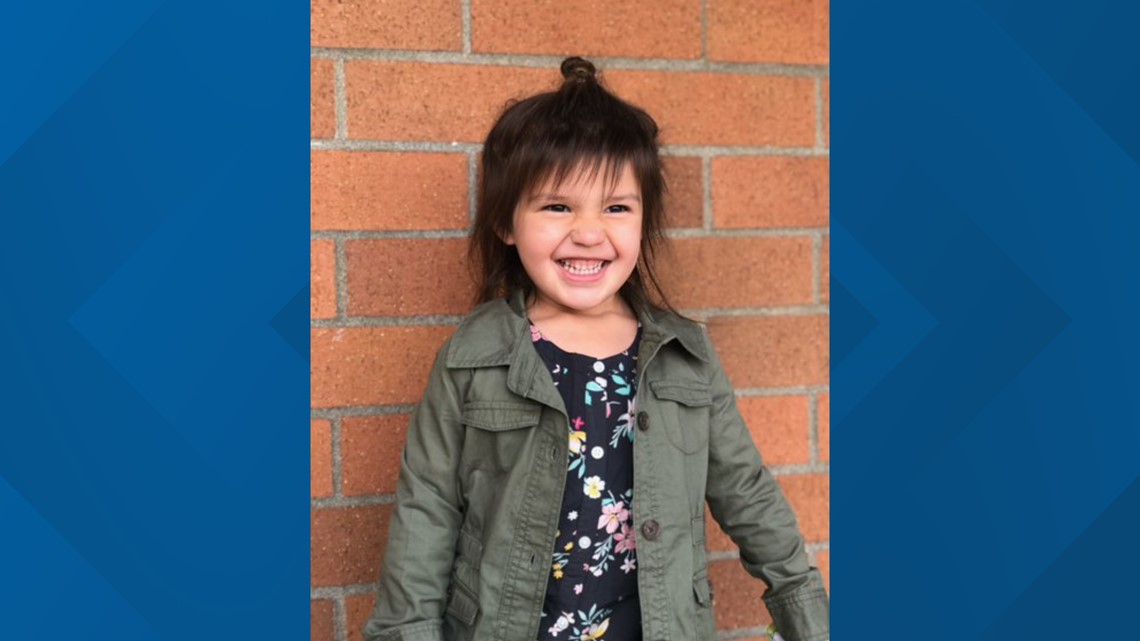
Oakley disappeared from Grays Harbor County more than four years ago. She would be nine years old now. But after she was declared legally dead in July 2025, a fatality report was triggered, reviewing actions taken by the Washington State Department of Children, Youth, and Families.
The findings show that over an eight-year period, 14 calls were made to DCYF about the family. The report offered some commendations for staff but also highlighted what DCYF described as “improvement opportunities.” Jamie Jo Hiles, Oakley Carlson’s former foster mother, said the report was difficult to read.
“I mean, honestly, when I read through it, it was just disheartening to read the countless red flags that were presented in regards to Oakley and her siblings,” Hiles said.
Hiles said the findings were not what she had hoped for.
“Like, how many times did I call? How many times were there things that were brought up?” Hiles said.
According to law enforcement, Oakley’s parents, Jordan Bowers and Andrew Carlson, are persons of interest in her disappearance more than four years ago. Oakley’s biological parents served time for unrelated charges, including child endangerment and identity theft, but have never been charged in Oakley’s disappearance.
In July, she was declared legally dead by a Pacific County judge, triggering the state child fatality report, which is required by law.
The report offers no final recommendations, but outlines areas for improvement, including in part, more training for DCYF and school personnel on family isolation and domestic violence dynamics; better quality oversight of any contracted assessments; improved documentation practices; addressing gaps in rural services; and better foster parent support and resources.
Hiles said the review’s tone was hard to accept. The review also suggested better communication with foster families. Hiles said she felt she did her part to over-communicate.
“I mean, it kind of felt like a little bit of a slap in the face,” she said.
In an email, DCYF said it sought to end the mother’s parental rights in 2018, but the dependency case was already being appealed in court by Oakley’s biological mother. The judge granted the appeal, and the case never went to a termination trial. Instead, the court entered trial return home as the mother began engaging with services. DCYF said it tried again to seek a change to the permanency plan in 2019 but was denied by the courts. The agency also noted that DCYF’s trial return home is six months, which is longer than most other states.
The report also highlighted aspects of the case handled well by DCYF staff, including long-term caseworkers’ persistence, team building, patience, efforts to engage parents and support groups, and efforts to bring in other experts and partners for insight and expertise.
“The committee discussions explore systemic challenges, suggested areas for improvement, and aspects of the case handled well by DCYF staff, as identified by the Committee. While these insights inform broader learning and potential systemic improvements, they do not represent formal findings or policy positions of DCYF. Improvement opportunities are defined as the gap between what the family needed and what they received from the child welfare system. Improvement opportunities may also identify systemic barriers,” DCYF wrote in an email to KOMO News.



 www.king5.com