Defense looks to exclude DNA evidence, state wants to exclude 911 call analysis in UNC student Faith Hedgepeth’s murder trial
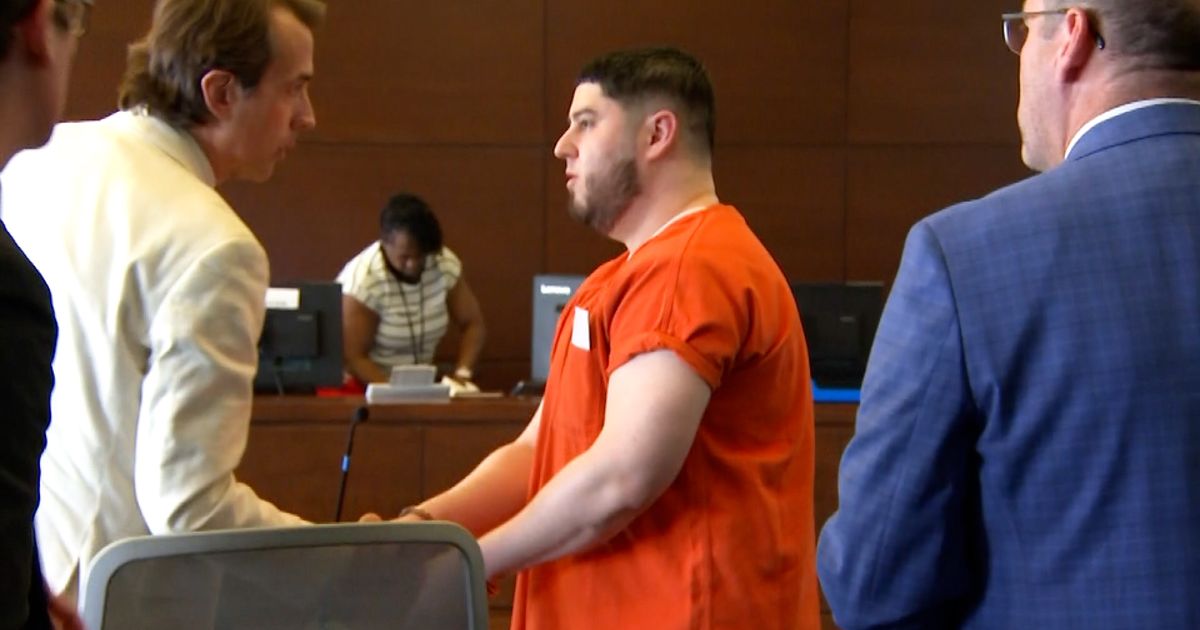
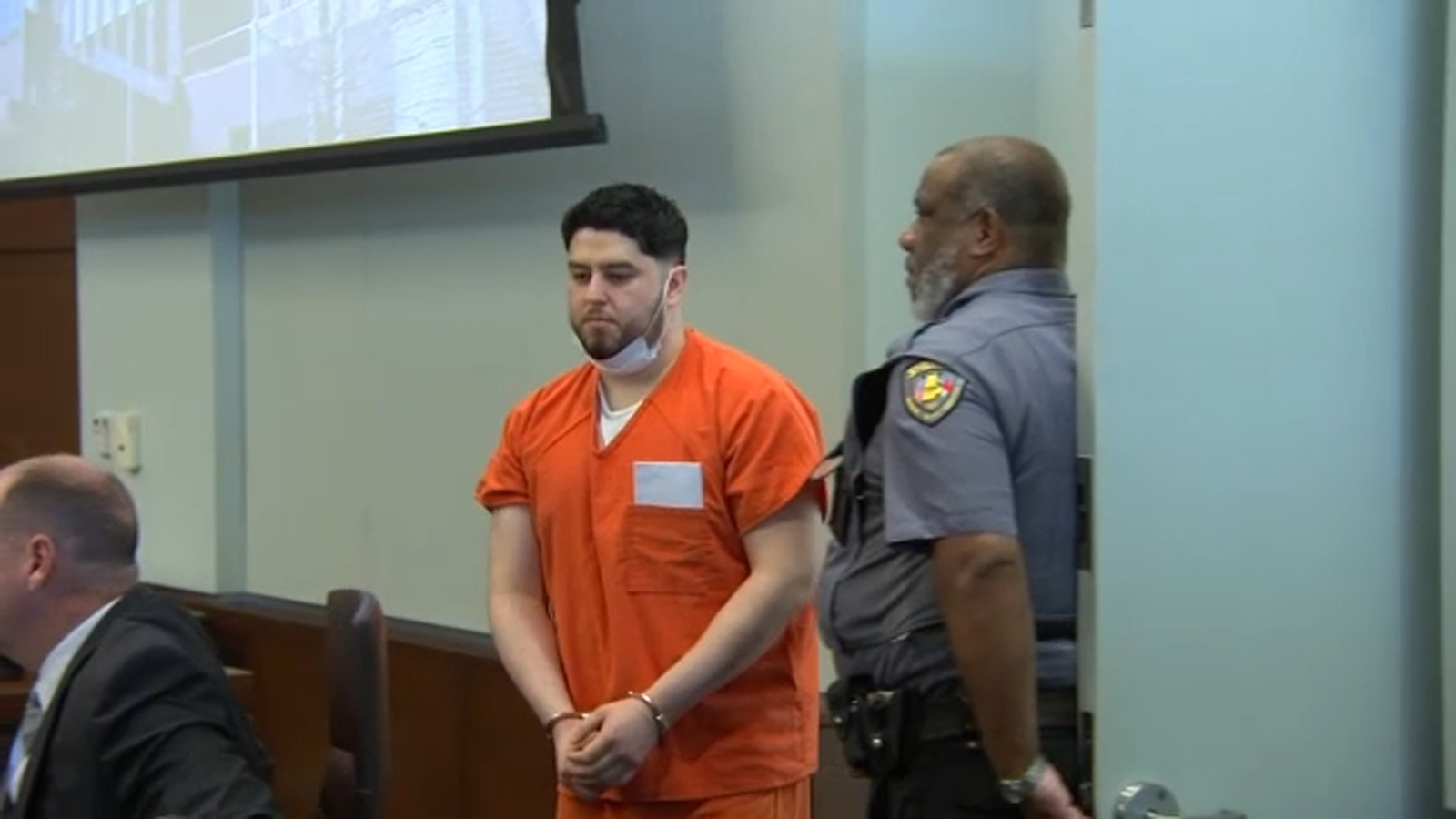
More than a dozen motions were filed by both the state and the defense this week in the murder trial against Miguel Salguero Olivares, accused of killing UNC student Faith Hedgepeth in 2012 in her off-campus apartment.
State prosecutors filed seven motions. They want to exclude evidence of Hedgepeth’s BAC level at the time of her death. They say her then-roommate, Karena Rosario, who was with Hedgepeth in the hours before her death, has already testified that Hedgepeth had at least one drink that night at The Thrill.
But prosecutors say Rosario does not remember or know if Hedgepeth had more.
“Rosario was intoxicated, and due to her intoxication, she has fragmentary memories about what happened from the time they left The Thrill until sometime later that morning. She remembers speaking with Hedgepeth in the parking garage and getting into Hedgepeth’s car, but she does not remember the trip back to the apartment. She vaguely remembers stepping onto the curb outside the apartment when she and Hedgepeth arrived back, and remembers feeling sick,” the motion says.
Prosecutors say Rosario was sick in the apartment bathroom and did not know what Hedgepeth was doing. They say Rosario left the apartment at some point.
“Rosario was gone from the apartment from approximately 4:21 a.m. until she returned to the apartment with Marisol Rangel, a mutual friend of Rosario and Hedgepeth, later that morning at approximately 11:00 a.m. They walked into the apartment together and found Hedgepeth’s dead body,” the motion says.
Prosecutors also want to exclude evidence from one former law enforcement officer who analyzed the 911 call made that night. The analyst, the state argues, drew conclusions that were not based on any approved research methods.
The state wants to stop the defense from making references to someone else’s potential guilt. Earlier this year, the defense filed a lengthy motion saying Rosario, the former roommate, could know more than what she has told investigators. Prosecutors also want to bar any filming of Rosario’s or Rangel’s testimony.
The defense also wants to exclude a number of evidence items. In one motion, they move to exclude arguments by the state that Hedgepeth was wearing a certain pair of boxer shorts and underwear the night she was killed. The motion says an investigator on scene originally recorded the clothing items in the bedroom, but not near Hedgepeth’s body.
“Immediately after recording that observation, the reporting officer added a conclusion: ‘The way the underwear were twisted up into the shorts was indicative of how they would be if they were pulled off by another person rather than pulled down and stepped out of if being removed by the person wearing them,’” the motion says.
The defense also filed motions to exclude DNA evidence that they say the State Crime Laboratory determined was inconclusive. That motion points to DNA evidence found underneath Hedgepeth’s fingernail, on her underwear, and on a pen in her bedroom.
“An inconclusive result is neither an inclusion nor an exclusion. It is the absence of a conclusion,” defense attorneys said in their motion.
Defense attorneys also filed a motion asking for more in-depth cellphone data from Hedgepeth and Rosario’s phones. In that same motion asking for evidence, defense attorneys ask for: “Identification of all persons who observed the April 21, 2014 questioning of Karena Rosario, and all notes of those observations.” They do not ask for evidence relating to any other person’s questioning.
Defense attorneys reference one law enforcement officer’s report, writing: “The notes from presentation to NCMEC in Washington, D.C. indicate that it was “elieve[d] a confession was really close.” The notes indicated that during the interview Rosario “[h]ung her head[;] Quiet[;] . . . [Interviewer] was implying her involvement, she never defended herself, never gave an anger reaction and took the ‘accusations’ that was being dealt out towards her[;] SBI believed she was ‘close to breaking.’”
Online court records show a hearing scheduled for August 3 in the case. A judge could hear pre-trial motions then. Salguero Olivares is set to go to trial in October.


:max_bytes(150000):strip_icc():focal(674x229:676x231)/faith-hedgepeth-3-b7688c5fc6e841cdae50d1d0d85f6100.jpg)