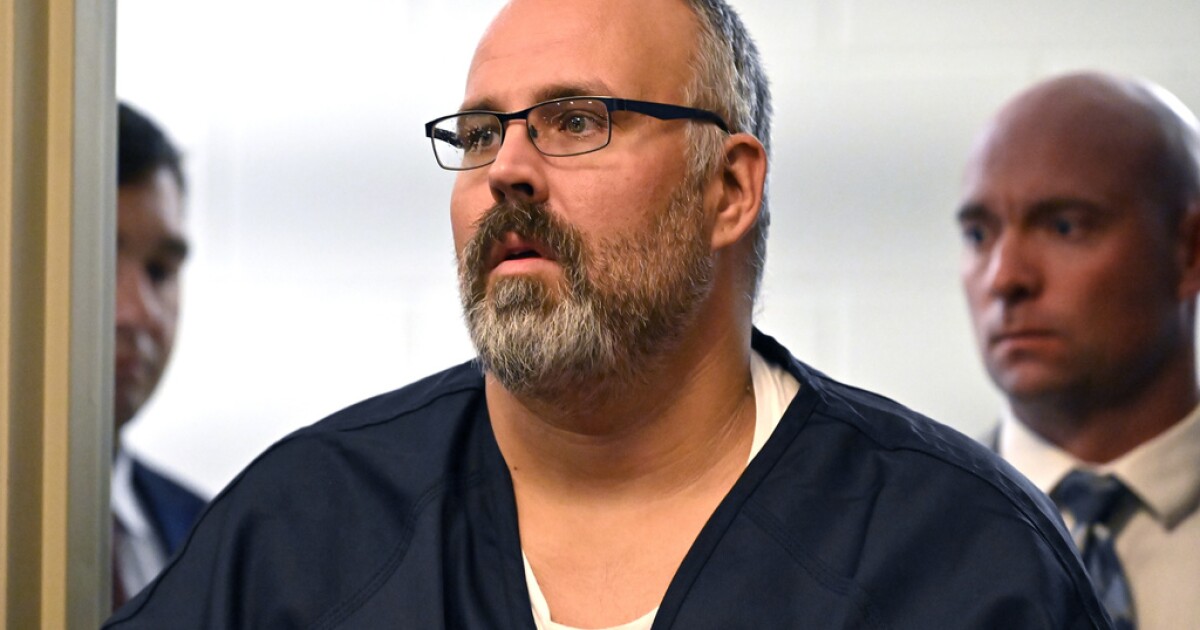
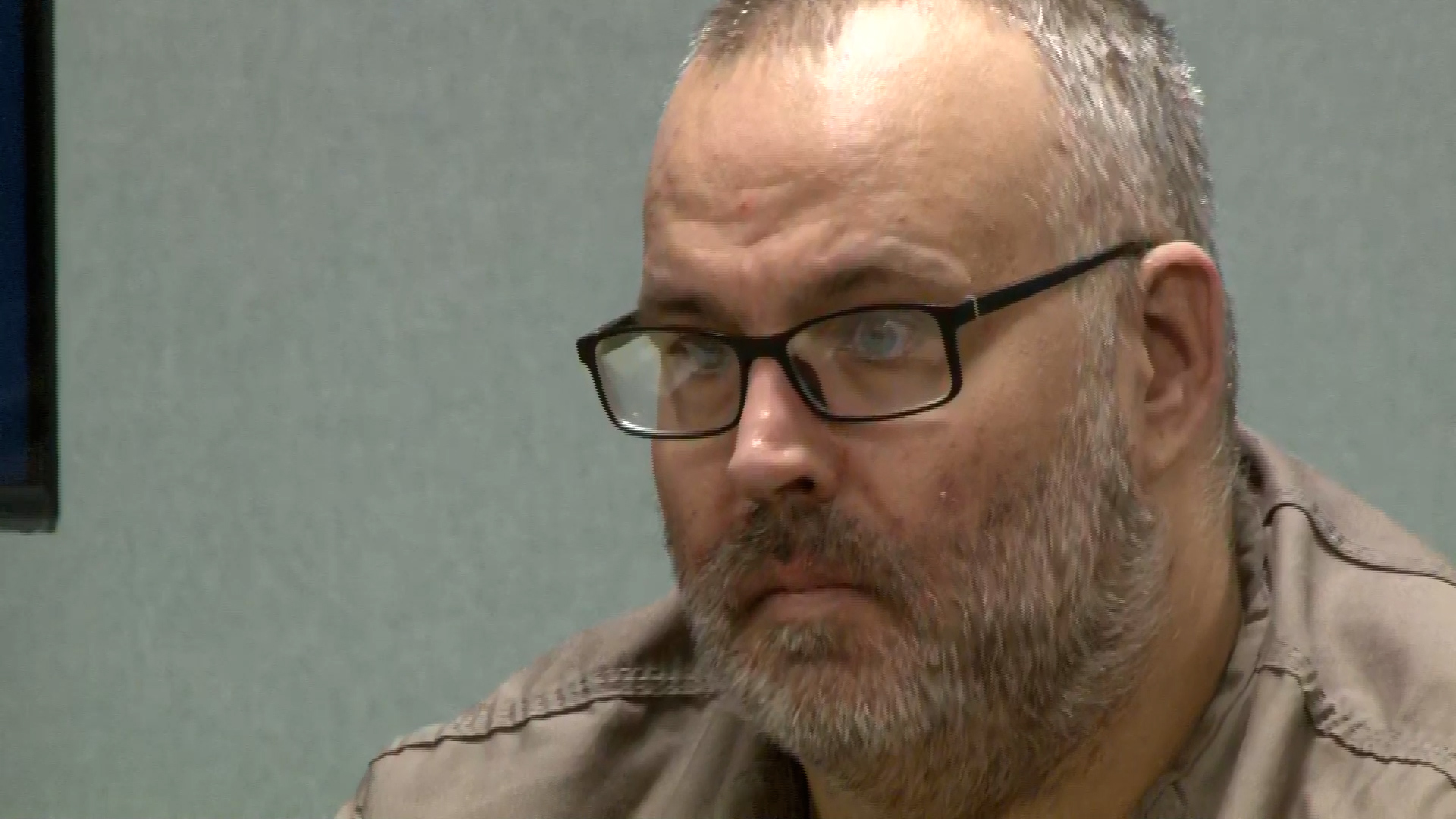
I thought it a good idea to post this which is an account of Deputy Fields court case from a year ago for us to review. Not sure if it has already been posted.
The deputy did serve his 6 months sentence in the local jail where he used to be the jailer.
A former Letcher County deputy sheriff who pleaded guilty to raping a female prisoner who was on home incarceration will spend six months in the Letcher County Jail, where he formerly worked as a deputy jailer. Ben Fields, who was a court security officer for the sheriff ’s office and worked a...

www.themountaineagle.com
Notice that one other person wasn't charged and he was a relative of Fields.
( see BBM - bolded by me. )
Just part of the article-
The women claimed Fields told them he would not make them pay for the monitoring if they would do him “a favor.” Fields disabled the devices, told the monitoring company that bail conditions had been changed so the devices were not required, and then used threats of arrest to force the women to have sex with him. When Letcher Circuit Judge James W. Craft II asked Fields for GPS coordinates for one of the subjects for a court appearance, Fields said he couldn’t locate her and filed an escape charge against her, court records show.
The Mountain Eagle does not normally identify victims of sexual crimes however one remaining victim spoke to a reporter at the paper on the record and testified to many of the same things in sworn testimony during the sentencing. The other alleged victim died of a drug overdose after the suit was filed.
Sabrina Adkins, 47, of Pikeville, who was in jail on drug charges at the time the crimes occurred, said she has completed rehab and hopes to become a domestic violence counselor. She said she had a career before addiction and wants a normal life again.
“I was clean for 18 years,” she said. “I had a career; I had a family.
Adkins also accuses others of involvement in her situation and that of the other woman who filed suit against Fields. She alleged harassment by other sheriff’s deputies and arrests based on false information given by Fields. Stines declined to comment, citing the continuing civil case, however the criminal court record shows at one point a warrant was issued for Adkins because Judge James W. Craft II asked Fields to bring her to court and Fields told the judge he couldn’t find her because she had had taken off her bracelet and escaped.
She also alleged that a male relative of Fields, who he introduced to her, also coerced her to have sex with him because he “had pull with the court.” She said that she talked to Fields on Facebook Messenger, but the other man never sent her any messages. He wasn’t charged because she had no proof.
Adkins said she believes that man is still doing to same thing to other women because she went to court for a hearing on a charge of driving under the influence and saw him sitting in the gallery whispering to another female defendant with his arm around her.
“He was right there in the courtroom, asking her to go out to dinner with him,” she said. “I felt physically sick.”
Fields was accused of having sex with Adkins in his car, in the district judge’s office, and in an elevator at the Letcher County Courthouse.
The grand jury on September 29, 2022, charged him with two counts of third-degree rape, two counts of third-degree sodomy, and three counts of tampering with a prisoner monitoring device. All those charges are felonies. He was also charged with one count of second-degree perjury, a misdemeanor, related to him allegedly filing a false complaint.
The case was prosecuted by Barbara Whaley of the Kentucky Attorney General’s Office and was heard by Pike Circuit Judge Eddy Coleman. Court documents show hearings were held in at least three counties other than Letcher.