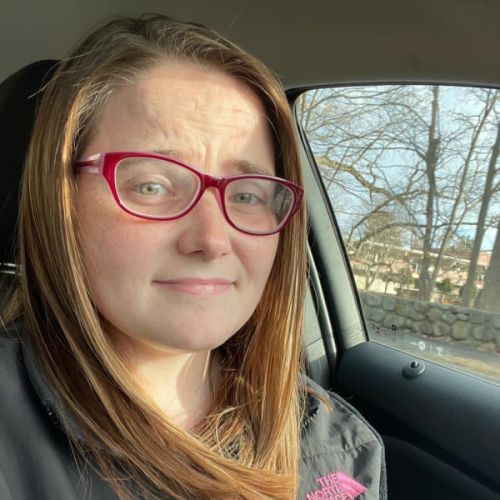
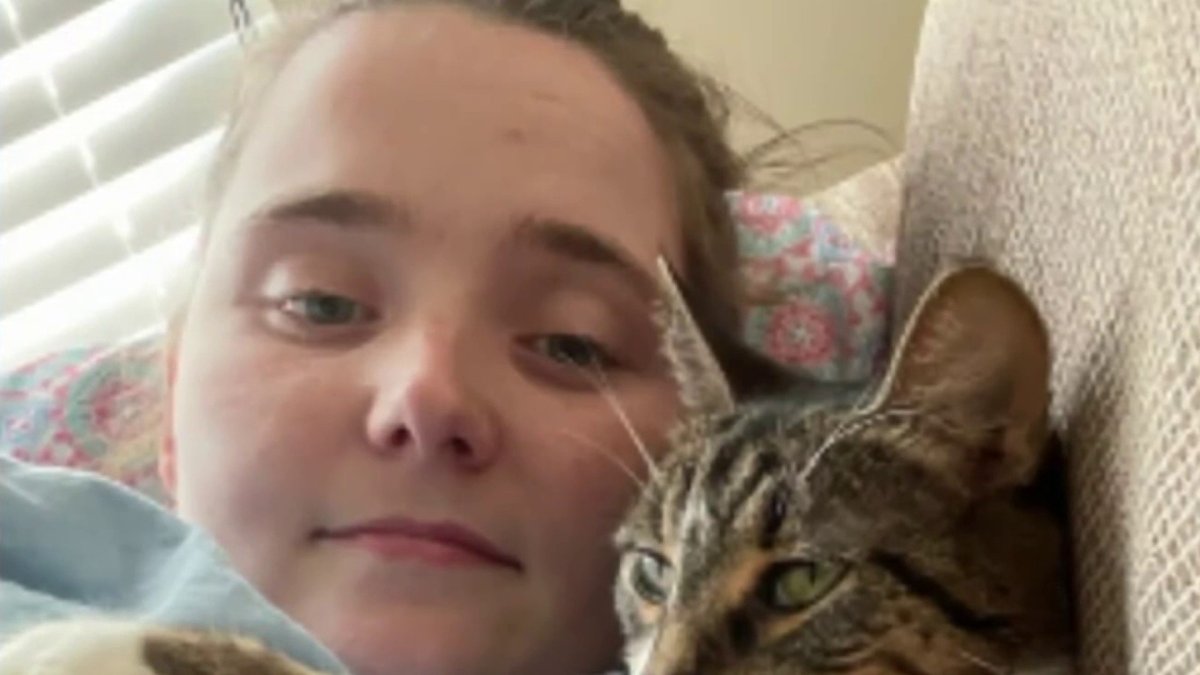
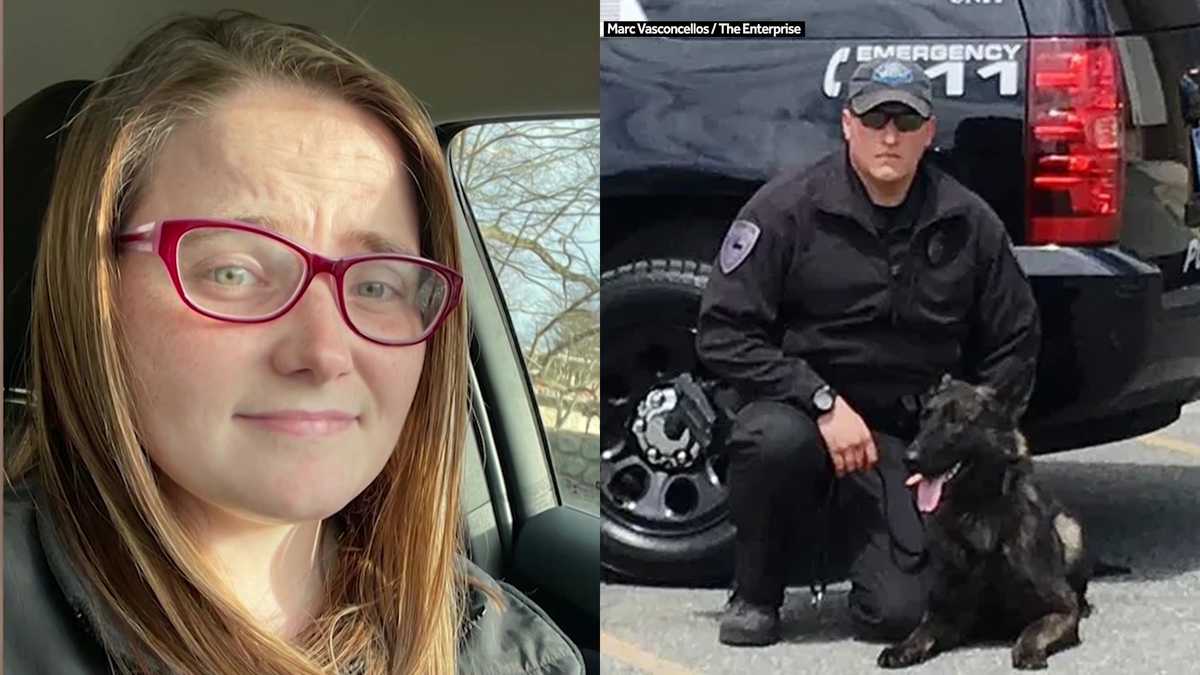
The Mass. medical examiner who initially ruled Sandra Birchmore’s death a suicide will explain why she did so, then changed the finding, at the upcoming federal trial of the former officer accused of killing her, according to a court document.

www.nbcboston.com
At trial, medical examiner to explain why Sandra Birchmore's cause of death changed
The Massachusetts medical examiner who initially ruled
Sandra Birchmore's death a suicide is set to explain why she did so, and why she recently changed that finding, at the upcoming federal trial of the former officer accused of killing her, according to a court document that lays out the prosecution's case in great detail.
That document, a trial brief filed by the U.S. Attorney's Office for Massachusetts this week, says the medical examiner will testify she initially ruled Birchmore had died by suicide after asking "for investigative updates," and that she hadn't been told "this death was a potential homicide or a suspicious case."
The trial brief summarizes the prosecution's case against Matthew Farwell, the former Stoughton police officer accused of
killing Birchmore and staging it as a suicide, as well as potential procedural issues and who's expected to testify for the prosecution.
In the trial brief, one of many documents filed in the case Monday, prosecutors said they expect the trial to last about 20 in-court days, and requested that the judge allow the jury two half days each week, given "the intensity of the trial." The length of the trial also suggests the need for four alternate jurors instead of the usual two, prosecutors wrote.
They said they expect to call about 50 witnesses, including members of law enforcement, civilians and 12 experts.
One of those expert witnesses is Dr. Maria Capó Martinez, the member of Massachusetts' Office of the Chief Medical Examiner who conducted the autopsy on Birchmore's body on Feb. 5. 2021, and then, this April,
updated the woman's death certificate to say the manner of her death was no longer suicide but undetermined.
Prosecutors said she's expected to testify about seeing injuries on Birchmore's body that were more common in homicides than suicides, including "hemorrhage of the left sternothyroid muscle" and "a fracture of Birchmore’s right side hyoid bone." They also said Capó Martinez will speak to why she initially ruled the death a suicide, writing:
While all of the physical findings with which Birchmore presented were either more prevalent in homicidal strangulations than in suicidal hangings or equally present in the two, in May 2021, Dr. Capó Martínez originally ruled the manner of death as suicide. This was based on information that she received from the original investigation and responses to her request for investigative updates. She will testify that at no point prior to that date was she or the OCME notified that this death was a potential homicide or a suspicious case.
And prosecutors said that Capó Martinez amended the death certificate after learning about a slew of evidence that's since come up in the federal investigation into Birchmore's death, including surveillance video showing that Farwell was seen at her apartment building the night she died and their "history of consensual or sexual choking."
The trial brief outlines that evidence in depth, over 15 pages listing information accrued in an FBI investigation that started in 2023. Much of it has been shared before in charging documents, but it's summarized in part as a narrative.
Farwell allegedly entered Birchmore's building in Canton about six minutes after asking if he could "come by for a second," wearing a hood and a surgical mask despite witnesses telling investigators that Farwell had resisted wearing them during the COVID pandemic. Her phone last recorded movement within the hour, and Farwell was seen leaving the apartment about three minutes after that, prosecutors said.
The document also details the many documents that FBI agents reviewed, including roughly 40,000 messages between Farwell and Birchmore, that gave them insight into the extent of their allegedly yearslong relationship, including extensive conversations about her getting pregnant and his role as the father of the future child. Birchmore started engaging with attorneys a month before her death, prosecutors said.
Birchmore's last 24 hours are laid out in detail as well, with prosecutors noting that she ordered clothes, talked to friends and her aunt, submitted an admission form for a nearby community college and planned a baby shower.
The defense hasn't submitted a trial brief summarizing its own case.