This is starting to sound like "I know that you knew that I didn't know that you didn't know!" Huh? "appeals the denial of the overturning of the conviction" ......
The petition to overturn the conviction cites “ineffective assistance of counsel.”

www.stamfordadvocate.com
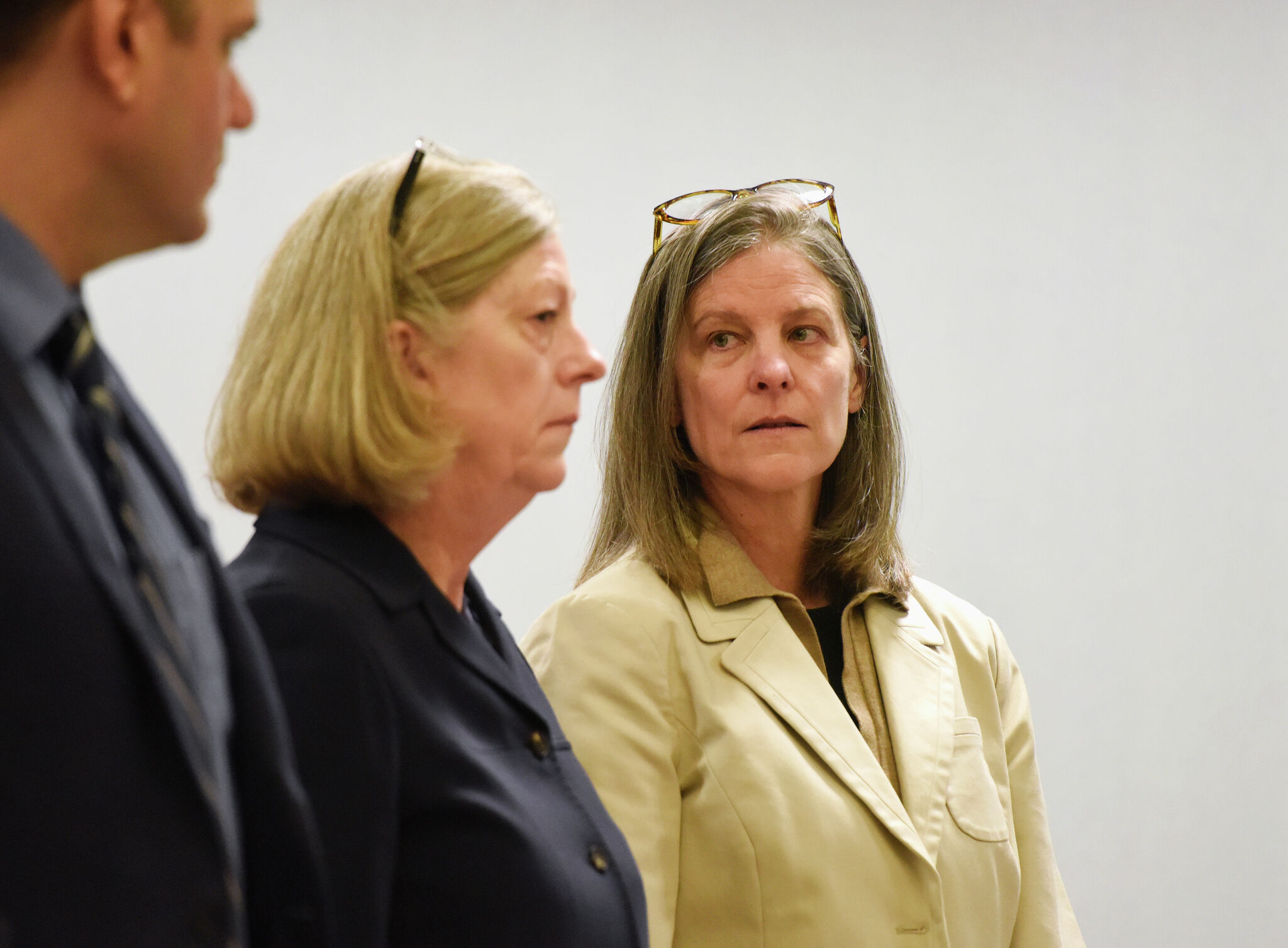
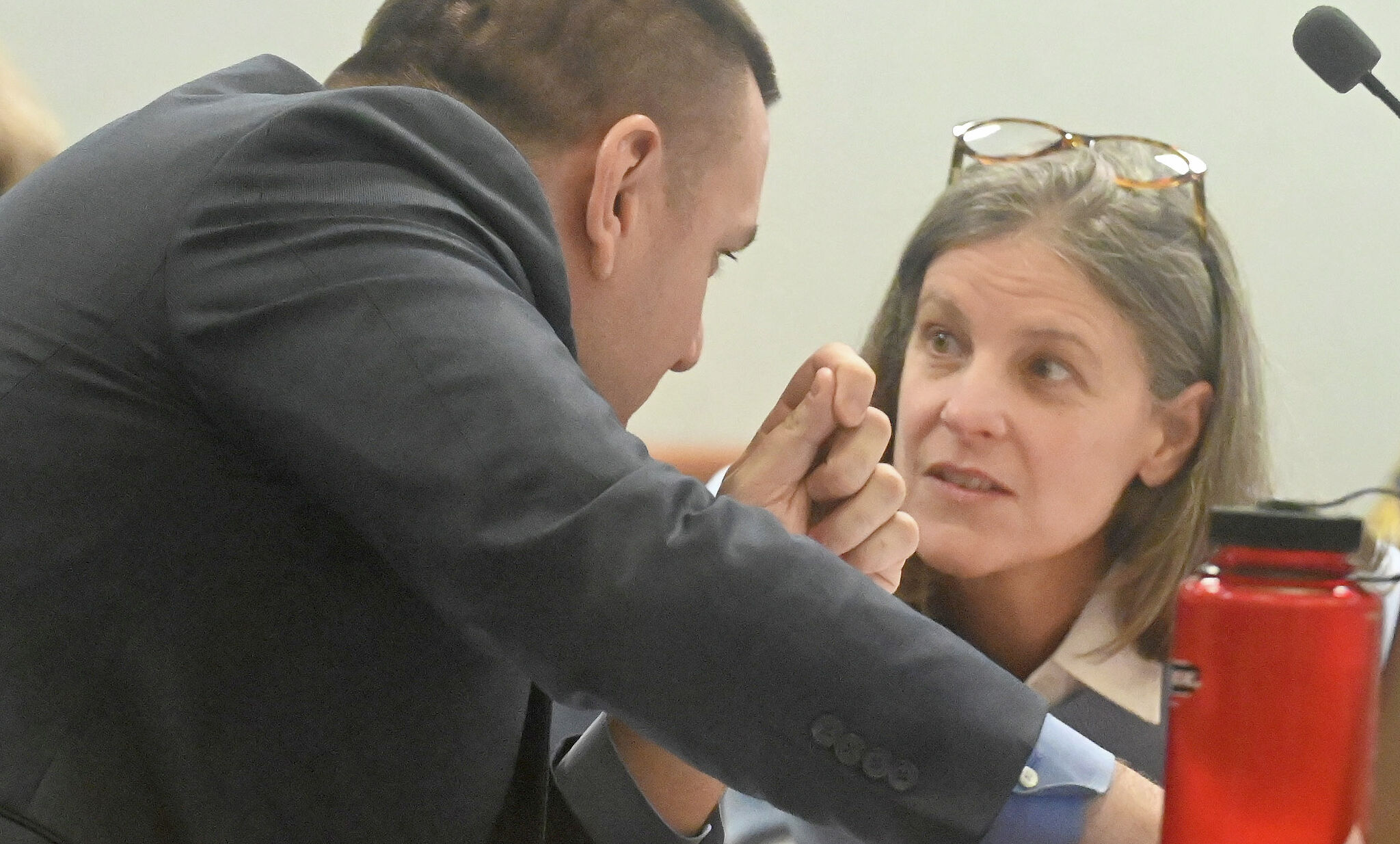
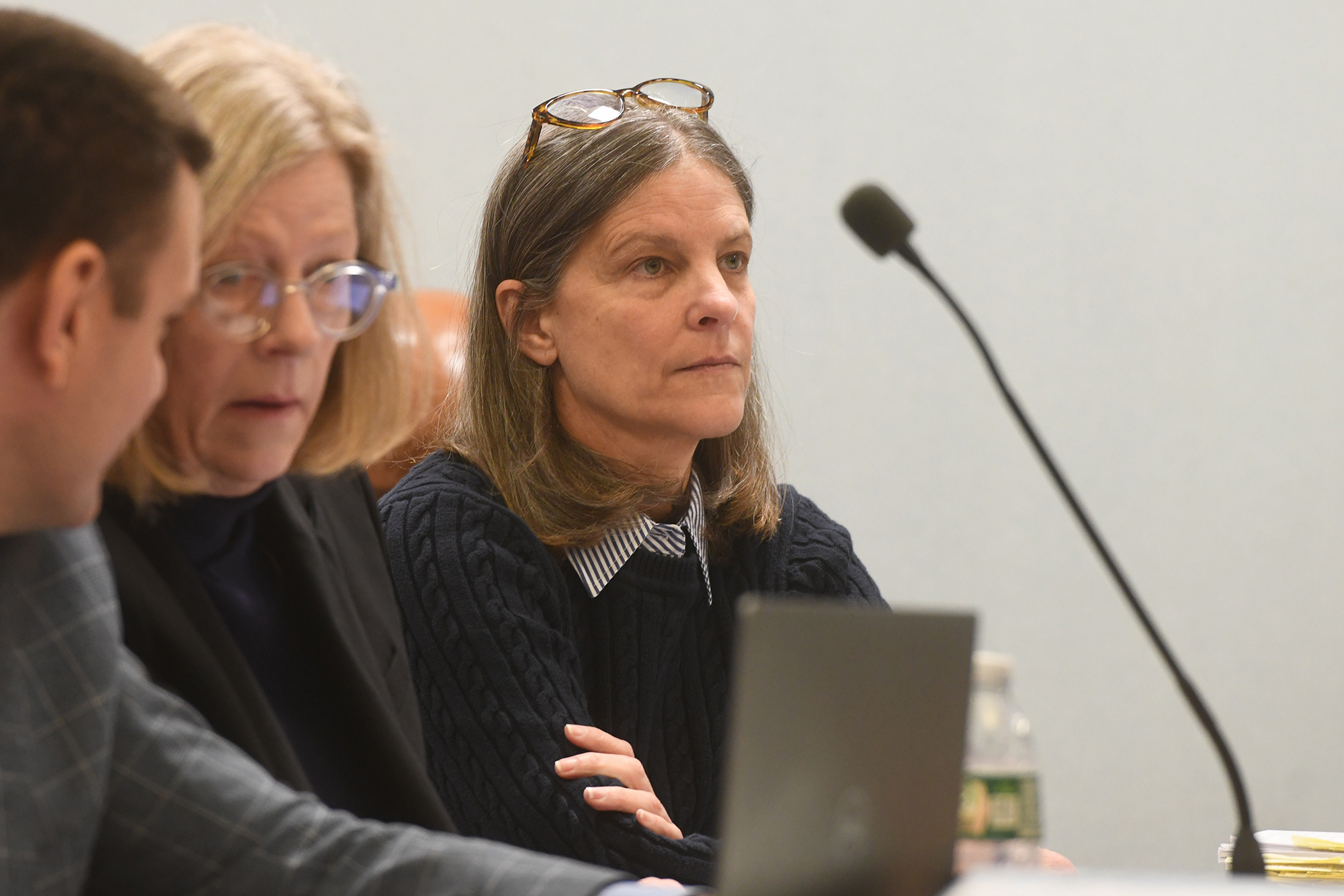
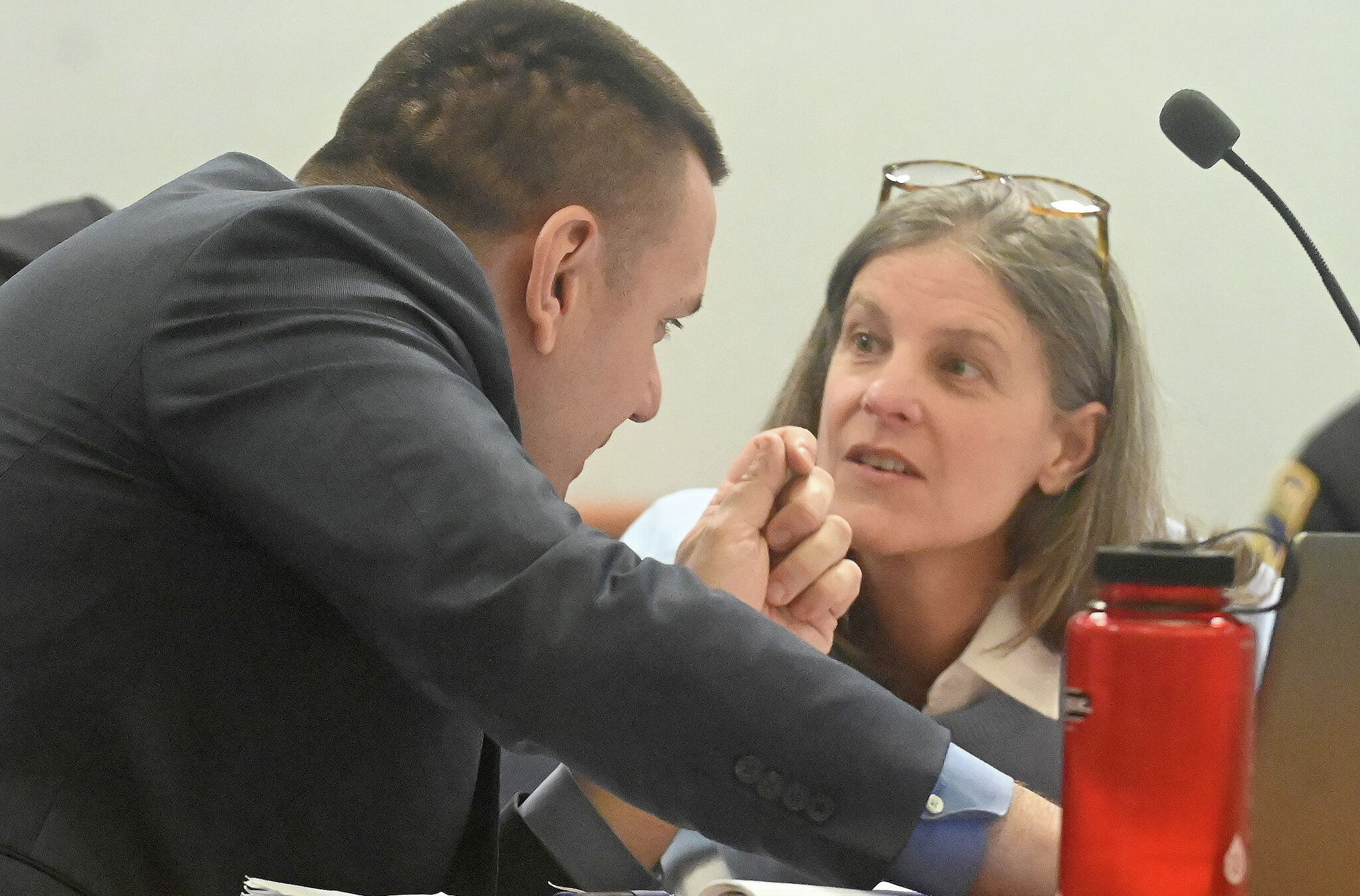
Michelle Troconis appeals denial of petition to overturn conviction in Jennifer Dulos case
Michelle Troconis is appealing a judge's
denial of her bid to overturn her conviction and 14½-year prison sentence in the disappearance and death of Jennifer Dulos based on claims of ineffective counsel.
Attorneys for Troconis claim in the appeal filed Thursday that state Superior Court Judge Carl Schuman erred when he denied a
habeas petition that argued
attorney Andrew Bowman provided “ineffective assistance of counsel” by advising Troconis to sit for three police interviews before her arrest.
“Because Bowman’s advice to the petitioner fell within the wide range of reasonable professional assistance and because he was competently acting as her advocate at all times, the petition has not proven ineffective assistance of counsel,” Schuman wrote in his decision issued last month.
Troconis is appealing the ruling on several counts, including that Schuman based his ruling on facts not supported by evidence and that witnesses testified to facts that "could not be true."
Troconis originally filed the habeas petition in 2024 after she was
found guilty of conspiracy to commit murder and other charges in the death of Dulos, a
New Canaan mother of five whose body has never been found. She is currently serving the 14½-year sentence.
In a three-day trial earlier this year, attorney Michael Fitzpatrick, an expert witness for Troconis, criticized Bowman's decision to allow Troconis to repeatedly speak to investigators even though her first interview went poorly.
Bowman testified in his defense that he allowed the interviews to go forward because he believed police were close to making an arrest in the case and hoped that Troconis could avoid facing charges.
In the petition, Troconis claimed that Bowman failed to secure immunity for his client before she spoke with police and failed to inform her of the consequences of the conversations, during which she appeared to contradict herself.
During the trial, state’s attorney Richard Colangelo Jr. agreed Bowman had not discussed a potential deal for immunity prior to Troconis speaking with investigators. But Colangelo said he wouldn’t have agreed to anything without knowing what she was going to say.
Ultimately, Schuman determined that Bowman’s defense strategy was reasonable. In an order denying the petition, the judge noted that Bowman instructed his client to tell the truth when speaking with police and participated in each interview.
“The evidence reveals that Bowman spent long hours talking with his client, other attorneys and an investigator and spent a significant amount of time conducting discovery and doing legal research,” Schuman wrote.
Dulos last was seen on May 24, 2019. Prosecutors previously have claimed that her estranged husband, Fotis Dulos, killed her after she dropped off her children at school and returned home.
Dulos was reported missing later that night, and around that time,
surveillance cameras in Hartford recorded two people resembling Fotis Dulos and Troconis, his then-girlfriend, making a series of stops along Albany Avenue, police have said.
Dulos is believed to be dead by her family and police, and a judge declared her legally dead. Fotis Dulos died in a hospital from injuries suffered during a suicide attempt in January 2020.
At her 2024 trial, Troconis was found guilty of conspiracy to commit murder, tampering with evidence and hindering prosecution. She later was sentenced to 14½ years in prison.




 www.crimewatchers.net