A lawyer for the state Department of Children and Families said the agency's internal review examining any potential missteps by DCF workers is still in draft form months after it began.

www.ctpublic.org
DCF report on Waterbury captivity case remains unfinished more than a year later
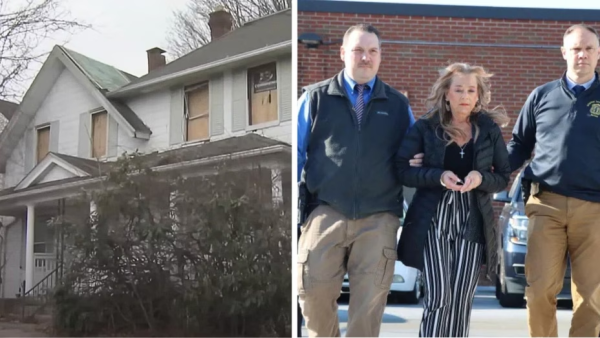
More than a year after launching its internal review, Connecticut's child welfare agency is still finalizing a report on how it handled the case of a Waterbury man allegedly held captive by his stepmother.
A lawyer for the state Department of Children and Families (DCF) testified at a hearing last month that a report examining any potential missteps by DCF workers who interacted with the victim's family was completed last year.
However, it remains an unfinished draft, attorney Lynn Hebert said — more than 14 months after the man's story of being held in captivity surfaced.
DCF has faced questions about its handling of the case after the alleged victim set fire to his home in February 2025 in what police described as a desperate bid to win his freedom.
DCF previously said it lacked sufficient evidence to remove the victim from the home, despite investigating six reports about his well-being over the course of nearly a decade.
Connecticut Public last year asked the agency to provide its internal assessment showing how it reached that conclusion. DCF denied the request, saying the documents are confidential child protective records.
DCF asked the state's Freedom of Information Commission to dismiss a pending complaint over the request. It argues the commission doesn't have jurisdiction to consider it.
Answering questions from a hearing officer last month, Hebert said DCF's bureau chief of continuous quality improvement was closely involved in the qualitative review of the Waterbury case, which produced a draft report she estimated was fewer than 50 pages.
"It walks through the case and outlines what occurred, what didn't occur, and makes the conclusions that inform our statement," Hebert said, referring to a two-page statement the department released in July 2025.
The statement briefly explains why DCF didn't remove the victim from the home, and notes the agency conducted "a detailed review of all records, reconstruction of the policies and procedures in place two decades ago (many of which have since been updated), and interviews with current staff who worked on the case."
Hebert testified she doesn't know why the document produced through the qualitative review isn't finished. A DCF spokesperson declined to answer additional questions.
"We will not comment further on confidential case records," the spokesperson said.


 www.aol.com