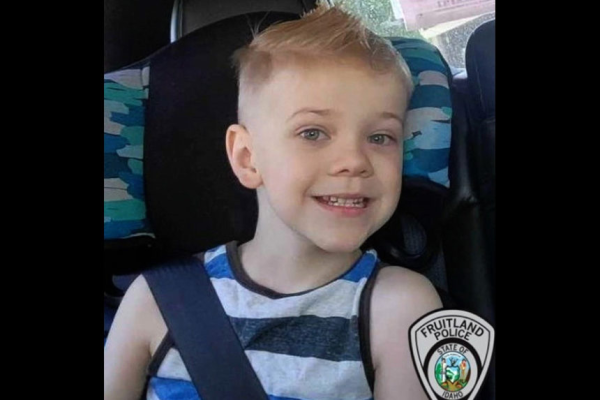
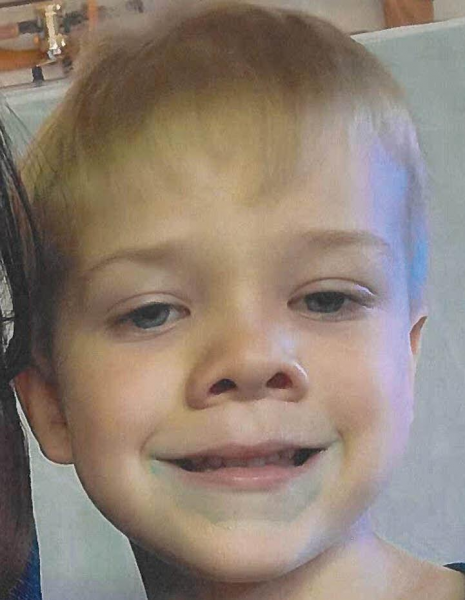

ID MICHAEL VAUGHAN: Missing from Fruitland, ID - 27 July 2021 - Age 5 *ARREST*

1639627999515.png 1627521508522.png

Search continues for missing and endangered 5-year-old in Fruitland, Idaho​

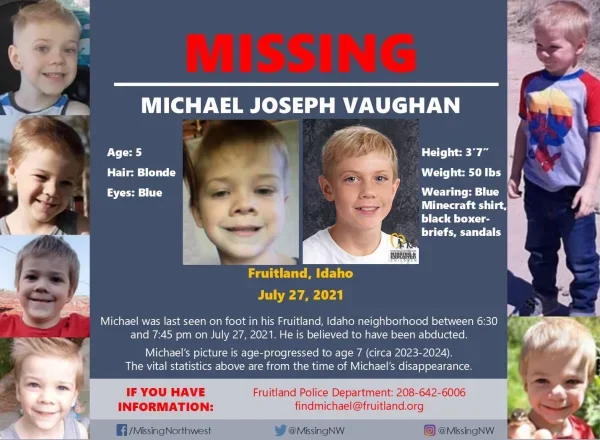
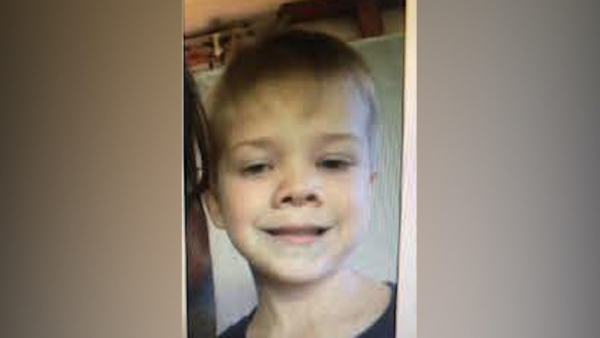
Michael Vaughn was last seen near SW 9th Street and S. Arizona Ave. in Fruitland on Tuesday evening. Crews and neighbors were out all day looking for the boy.

The search for a missing 5-year-old-year-old boy intensified Wednesday as it entered its second day.

Michael Vaughn was last seen near SW 9th Street and S. Arizona Avenue in Fruitland around 6:30 p.m. Tuesday.

The Fruitland Police Department said Michael is considered missing and endangered.

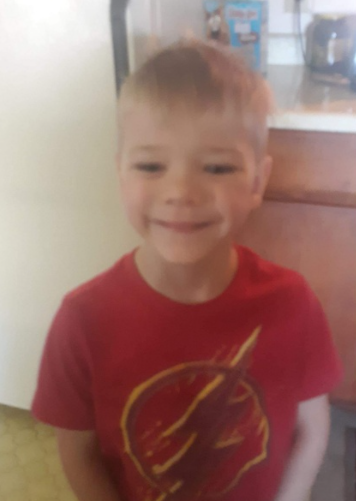
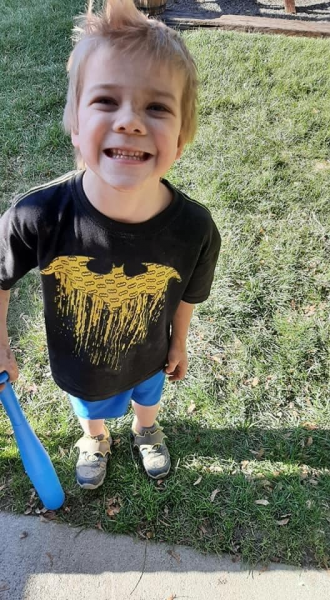
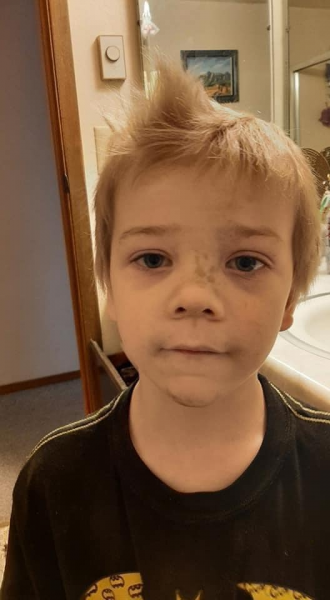
Michael is about three feet, seven-inches tall and weighs 50 pounds. He has blonde hair and blue eyes. He answers to the nickname "Monkey."

Michael was wearing a light blue shirt with a Minecraft picture on it, dark blue boxer briefs and sandals.

Idaho Mountain Rescue brought in highly-trained and rescue personnel to assist in the search.

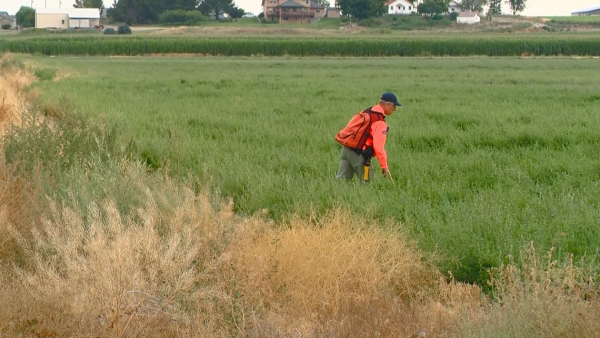
Crews from multiple agencies searched the area near Michael's home by ground and air by drone and helicopter. They also went door to door, talking with neighbors.

Right next to the boy's home is a field where crews spent much of the day searching for him.

Neighbors say they learned about his disappearance about an hour after he was reported missing. They say Michael is a happy kid who lives with his parents and grandfather.

Cynthia Walker was walking her dog as the search was happening.

"At five years old, I don't know that he would wander too far without one us seeing him by now," she said. "There are volunteers, many, many volunteers out searching, scanning the fields and we just want to have Michael back, we just want him home safe."
1627521579965.png 1627521602951.png 1627521804089.png

1627521701987.png 1627521721576.png


MEDIA - MICHAEL VAUGHN: Missing from Fruitland, ID since 27 July 2021 - Age 5
 

Attachments
  • 1627521844890.png
    1627521844890.png
    182 KB · Views: 708
Last edited:

Michael Vaughan murder case: Legal expert lays out how prosecutors can pursue a murder charge without a body​

Michael Vaughan vanished from Fruitland in 2021, and Idaho News 6 has followed the case ever since.

Now, the defense for the man charged with Vaughan's murder is expected to ask a judge Tuesday to dismiss the case, arguing prosecutors don't have enough evidence.

Investigators spent days excavating Stacey Wondra's backyard after receiving a tip that Michael's body was buried there. They found nothing. But that doesn't necessarily mean prosecutors don't have a murder case.


"It's a longstanding rule in the U.S. that we don't need a body to charge murder. We don't need human remains and we don't need DNA evidence," Gross said.

So how do investigators prove a crime happened without physical evidence?

Gross said prosecutors first have to rule out other reasonable explanations for a person's disappearance.

"You look at the evidence and say, is there any other compelling or reasonable explanation for this unexplained disappearance?" Gross said. "And with enough corroborating evidence and circumstantial evidence, a jury could reach a conclusion that a murder occurred and that this defendant committed it."

Gross said the rule is important because some criminals are skilled at hiding or disposing of bodies.

Instead, prosecutors may rely on corroborating evidence, such as blood tied to the victim, witness statements about a violent confrontation or cellphone location data placing a suspect at the scene.

While that evidence may be circumstantial, Gross said it can still be compelling.

According to American Police Beat, there have been about 660 no-body murder cases since 2012, with an 86% conviction rate.

Still, Gross said the strength of the corroborating and circumstantial evidence is what matters most.

In some cases, jailhouse statements can also play a role.

But in Wondra's case, he has claimed he witnessed a crime committed by others and did not participate. Gross said simply witnessing a crime generally is not a crime.

"There's no such thing as criminal liability for a bystander. Even if you could intervene at no danger to yourself and save somebody," Gross said.

Gross added that prosecutors don't have to reveal all of their evidence to establish probable cause. She said that's a much lower legal standard than proving guilt beyond a reasonable doubt.

Ultimately, she said, deciding whether the evidence proves guilt belongs to the jury. "It's up to the jury, up to 12 laypeople. We entrust them to those decisions," Gross said.
 

Michael Vaughan Case: Judge sets date to hear Wondra's motion to dismiss​


During Tuesday’s hearing, both the defense and prosecution confirmed they are still preparing for trial, which is scheduled to begin Sept. 14.

The judge scheduled hearings on the defense motions for Aug. 11 and Aug. 12, with additional time reserved on Aug. 13 if needed. Additional motions could also be filed before those hearings.


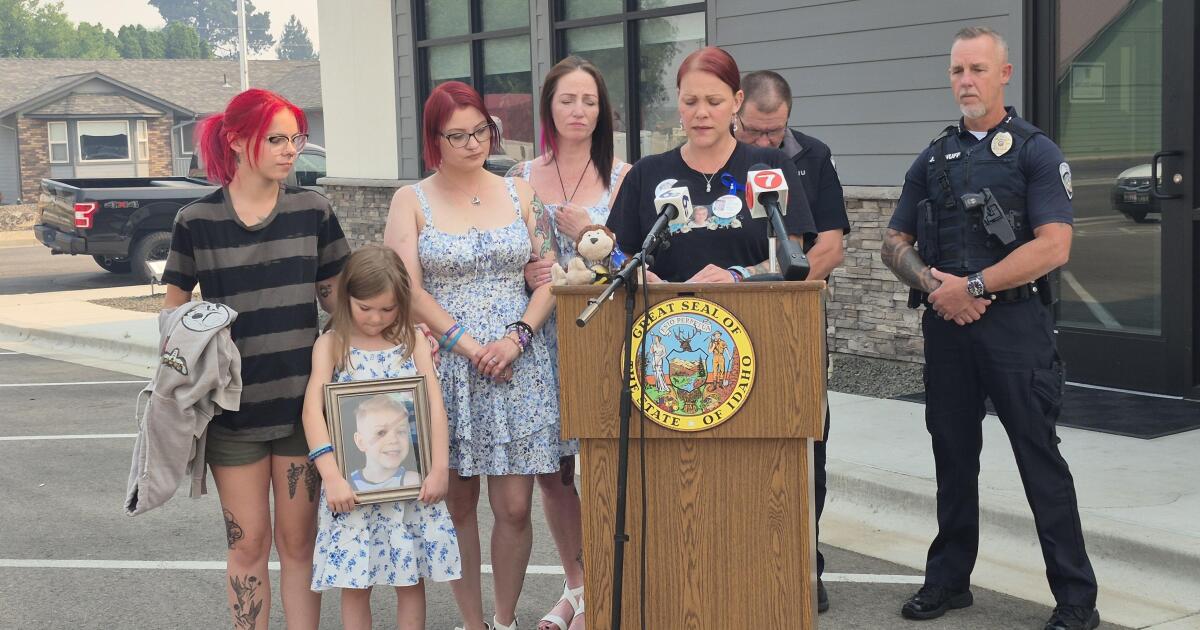
Vaughan said she believes the evidence presented during the preliminary hearing supports moving forward with the case.

“I honestly don’t believe that there would be a judge that would look at all the information that was given at the preliminary hearing and say that there was not enough evidence there for probable cause,” Vaughan said.

The upcoming hearings come as the five-year anniversary of Michael’s disappearance approaches.
 
Defense seeks to block K-9 evidence in Michael Vaughan case, challenges reliability
Attorneys representing Stacey Wondra are asking an Idaho judge to exclude testimony from cadaver and scent-tracking dogs in the prosecution stemming from the disappearance of Fruitland boy Michael Vaughan.

In a motion filed Thursday, the defense argues the K-9 evidence the state intends to present does not meet Idaho's standards for reliable scientific evidence and should either be excluded or subjected to a separate evidentiary hearing before trial.

The filing challenges testimony from several K-9 teams used during the nearly five-year investigation into Michael's disappearance, including dogs trained to track human scent and detect human remains.

According to the motion, investigators deployed dozens of K-9 searches between July 2021 and early 2025 at locations across southwest Idaho. The defense argues those searches produced inconsistent results, with some dogs alerting at locations where others did not.

The attorneys point to searches of Wondra's Fruitland property, noting one cadaver dog search in 2021 reportedly found no indication of human remains, while later searches in 2022 produced alerts. They also cite conflicting results from separate K-9 teams that searched a white Lexus in 2025.

The defense argues those inconsistencies demonstrate the evidence lacks scientific reliability.

The motion also contends there is no way to independently verify many of the dogs' alerts because Michael Vaughan has never been found.

Attorneys argue K-9 handlers interpret changes in a dog's behavior rather than relying on objective scientific measurements, making the evidence susceptible to error and potential bias. They cite Idaho case law, scientific reliability standards, and court decisions from other states questioning the admissibility of certain types of dog-scent evidence.

Several of the K-9 handlers testified during a five-day probable cause hearing earlier this year, presenting the very evidence the defense is challenging. The court found sufficient probable cause to bind the case over for trial.

The defense is asking the court to hold a hearing under Idaho Rule of Evidence 702 before trial to determine whether the K-9 testimony meets the legal standard for admissibility.

If the court declines to exclude the evidence outright, the defense says the hearing is necessary to determine whether the testimony is based on sufficiently reliable scientific methods before it is presented to a jury.
 

Forum statistics

Threads
3,287
Messages
299,484
Members
1,108
Latest member
LoLo_63
Back
Top Bottom