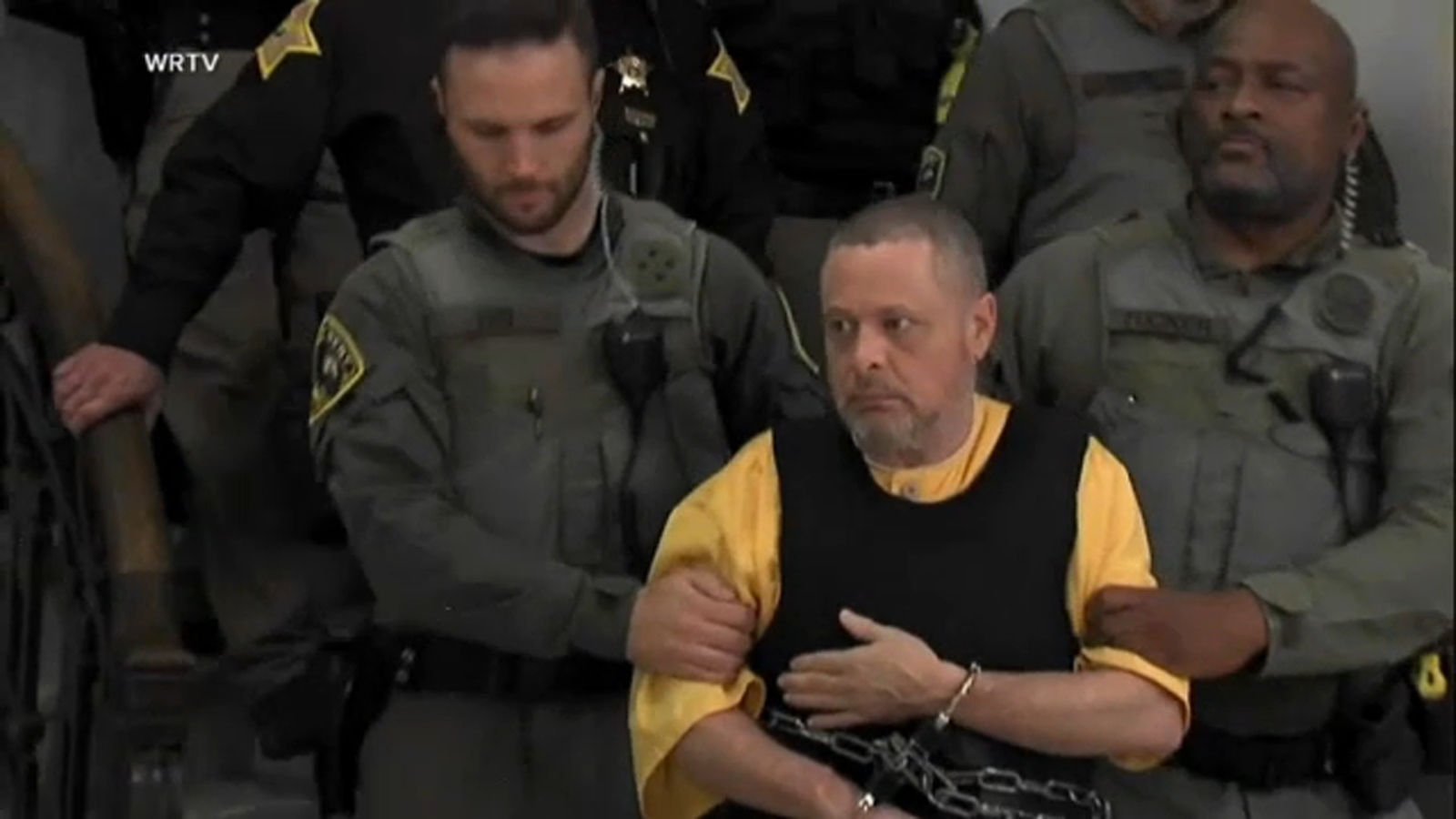
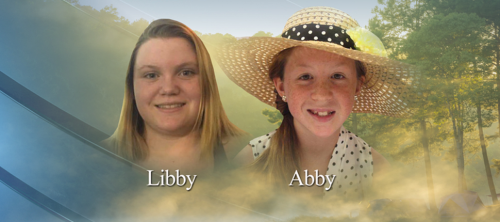
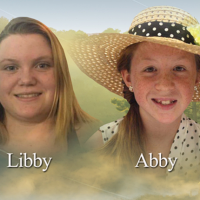
On February 14, 2017, the bodies of Abigail Williams and Liberty German were discovered near the Monon High Bridge Trail, which is part of the Delphi Historic Trails in Delphi, Indiana, United States, after the young girls had disappeared from the same trail the previous day. The murders have received significant media coverage because a photo and audio recording of an individual believed to be the girls' murderer was found on German's smartphone. Despite the audio and video recordings of the suspect that have been circulated and the more than 26,000 tips that police have received, no arrest in the case has been made.[1][2][3]
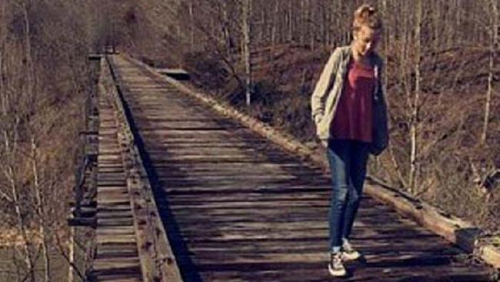
Police have not publicly stated nor released details of how the girls were murdered.[6] As early as February 15, 2017, Indiana State Police began circulating a still image of an individual reportedly seen on the Monon High Bridge Trail near where the two friends were slain; the grainy photograph appearing to capture a Caucasian male, with hands in pockets, walking on the rail bridge, head down, toward the girls.[4] A few days later, the person in the photograph was named the prime suspect in the double-homicide.[5]
On February 22, law enforcement released an audio recording where the voice of the assailant,[7] though in some degree muffled, is heard to say, "Down the hill." It was at this news conference that officials credited the source of the audio and imagery to German's smartphone, and, further, regarded her as a hero for having had the uncanny foresight and fortitude to record the exchange in secret. Police indicated that additional evidence from the phone had been secured, but that they did not release it so as not to "compromise any future trial." By this time, the reward offered in the case was set at $41,000.[5]

 en.wikipedia.org
 www.crimewatchers.net
Police have not publicly stated nor released details of how the girls were murdered.[6] As early as February 15, 2017, Indiana State Police began circulating a still image of an individual reportedly seen on the Monon High Bridge Trail near where the two friends were slain; the grainy photograph appearing to capture a Caucasian male, with hands in pockets, walking on the rail bridge, head down, toward the girls.[4] A few days later, the person in the photograph was named the prime suspect in the double-homicide.[5]
On February 22, law enforcement released an audio recording where the voice of the assailant,[7] though in some degree muffled, is heard to say, "Down the hill." It was at this news conference that officials credited the source of the audio and imagery to German's smartphone, and, further, regarded her as a hero for having had the uncanny foresight and fortitude to record the exchange in secret. Police indicated that additional evidence from the phone had been secured, but that they did not release it so as not to "compromise any future trial." By this time, the reward offered in the case was set at $41,000.[5]
Murders of Abigail Williams and Liberty German - Wikipedia
On Feb 14, 2017, the bodies of Abigail Williams & Liberty German were discovered in Delphi, #INDIANA. The suspect in their deaths is awaiting trial.
On February 22, law enforcement released an audio recording where the voice of the assailant, though in some degree muffled, is heard to say, "Down the hill." Even with a lot of media coverage, their murders remain unsolved.
www.crimewatchers.net
Last edited by a moderator: