Courts reporter Terri Jo Neff joined Courier Convos to discuss the forensic genealogy breakthrough in the Cadence Langley case and allegations against a former deputy.

www.eacourier.com
Terri Jo Neff discusses Cadence Langley murder, former deputy misconduct case
Herald/Review Courts and Crime Reporter Terri Jo Neff joined the Courier Convos show this week to discuss two noteworthy cases she reported on in Graham County: the murder of 14-year-old Cadence Langley, a case that took nearly two years to solve through forensic genealogy, and misconduct allegations against a former Graham County sheriff’s deputy that could result in the loss of his law enforcement certification.
Of the two cases, Neff said the Langley investigation stands out as one of the most unusual she has covered.
“It took almost two years for law enforcement to be able to identify not only who this murder victim was, but then also figure out who did the murder,” she said.
A mystery without a missing person
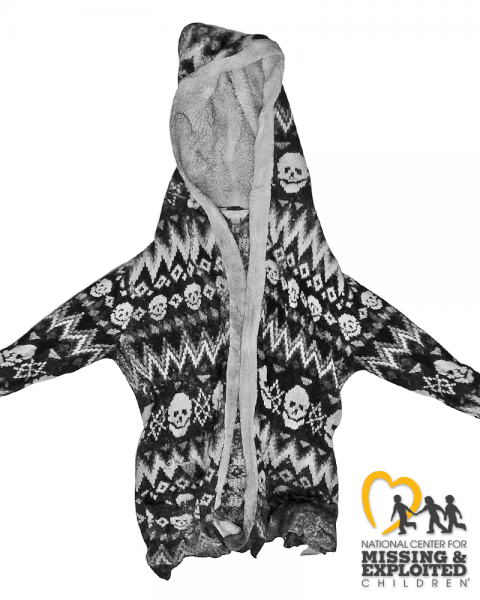
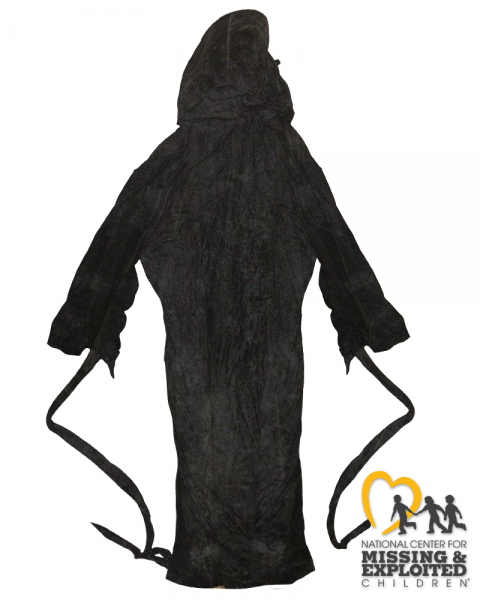
The case began in October 2020 when hunters scouting locations for the upcoming hunting season came across a body wrapped in plastic and a blanket in a rural area outside Safford.
“It was very concerning for local law enforcement, because nobody had been reported missing,” Neff said.
Investigators initially had little information to work with and did not even know the identity of the victim.
The body was found near a monastery outside Safford, in an area that Neff said was relatively isolated.
“Originally law enforcement wasn't sure. Did somebody come along I-10, maybe got off the interstate and went up towards Safford and disposed of the body?” she said.
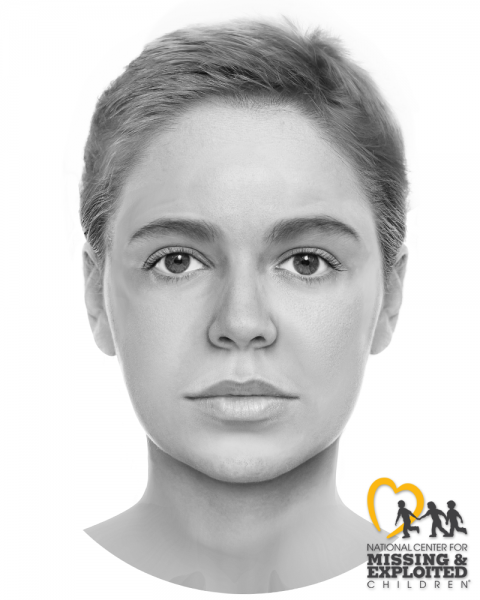
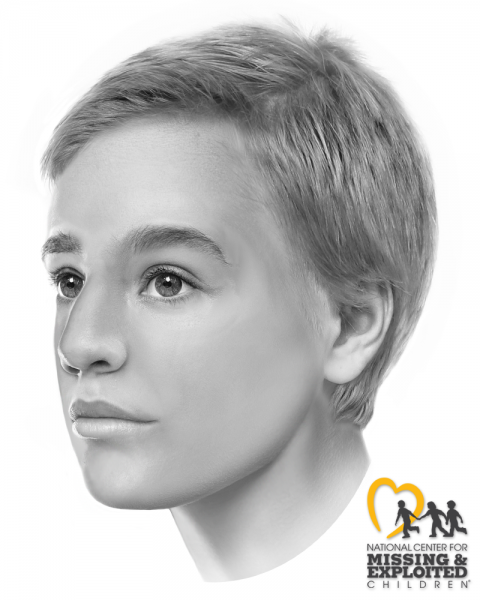
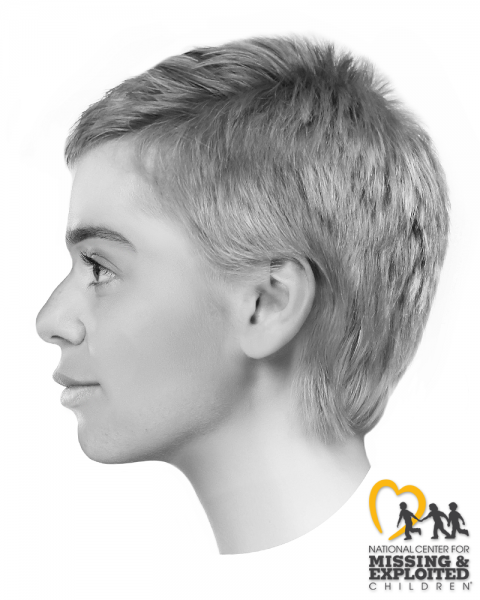
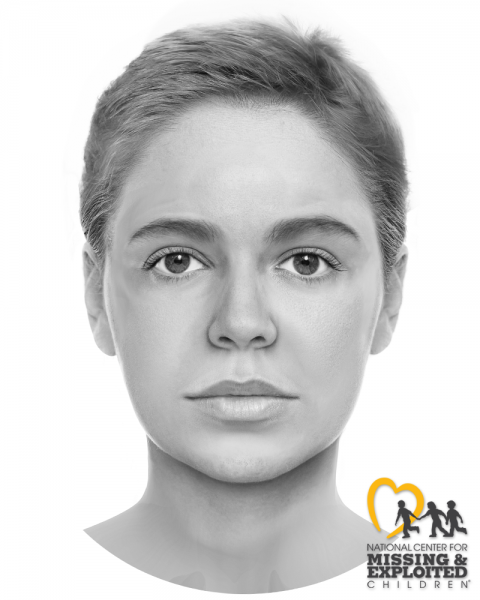
The search for answers eventually drew national attention as authorities distributed sketches and information across the country in hopes of identifying the victim.
The role of forensic genealogy
According to Neff, the breakthrough came through a partnership involving the Pima County Medical Examiner’s Office and private forensic genealogy companies.
“They took some physical parts of the young girl's body,” Neff said. The remains were used to create a DNA profile, which was then compared against genealogy databases.
That process led investigators to a paternal family match, allowing them to identify the victim as Cadence Langley and eventually focus on her mother as a suspect.
“In this case, it identified not only who the dead girl was, but then led police to who her murderer was,” Neff said.
The investigation also highlighted the growing role of forensic genealogy in criminal cases.
“That has been used in Arizona a lot lately in trying to identify victims as well as suspects,” she said.
A disturbing confession
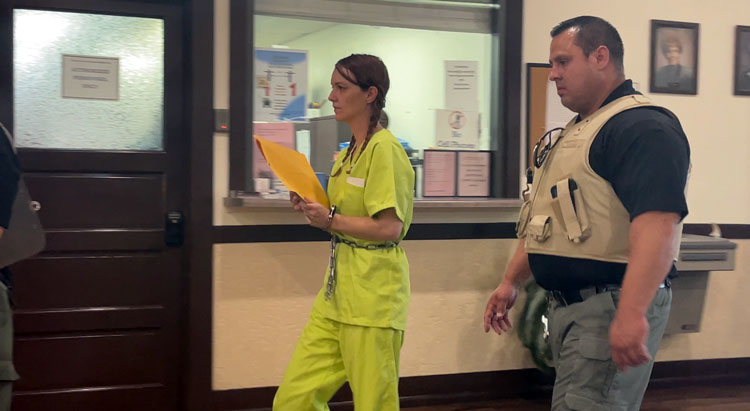
Neff said one of the most troubling aspects of the case was the manner in which Amber Langley described the killing.
“She literally took her daughter out into this rural area and shot her point blank in the head,” Neff said.
Investigators later determined that Langley returned to the area multiple times after the murder. Vehicle records showed repeated trips to the scene, where authorities believe she attempted to conceal evidence and dispose of personal items belonging to her daughter.
“Some toys and stuff were left there with the girl,” Neff said.
As investigators closed in, Langley reportedly continued telling others that her daughter was alive and living elsewhere.
“The mother always told people different things as to where this girl was,” Neff said.
Questions about motive
While Langley ultimately pleaded guilty, questions remain about what led to the killing.
Neff said court records indicate Langley struggled with behavioral issues involving her daughter, who reportedly had developmental challenges and periodic outbursts.
“She alleges that her daughter was involved in setting a fire,” Neff said, adding that family members had previously sought specialized care options.
Despite those challenges, Neff said the full circumstances behind the decision to kill her daughter may never be fully understood.
“We may not ever know the full story as to what happened,” she said. “It's just a very sad all around.”

![[IMG]](https://www.namus.gov/api/CaseSets/NamUs/UnidentifiedPersons/Cases/77029/Images/78649/Original "[IMG]")