• It's FREE to join our group and ALL MEMBERS ARE AD-FREE!

Canada NATION RIVER LADY: WF, 20-45, found in Nation River in Casselman, Ontario, Canada - 3 May 1975 *JEWELL PARCHMAN LANGFORD*

1688584078397.png

1594609187052.png

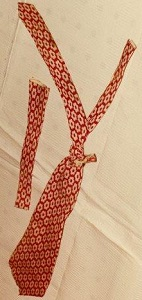
On May 3, 1975 a local farmer discovered the remains of an unidentified woman floating in the Nation River a short distance from the Highway 417 bridge south of the Town of Casselman, about 40 miles east of Ottawa, Ontario, Canada. Ontario Provincial Police found blood on the bridge and speculate she was thrown into the river from the eastbound lanes of Highway 417 of the bridge. The deceased had been strangled with a flat plastic covered television cable. Her hands and ankles had been bound with men’s neckties, and her face had been wrapped with a tea towel. Officials described the woman as Caucasian, aged 25-50 years old, 5’2″ to 5’8″ in height, approximately 100 lbs., average build, and having brown hair that was dyed a reddish blond. Evidence indicated she had been in the river since the late summer of 1974

DNA Doe Project Status: Research in process


1594609344353.png 1594609349998.png 1594609353878.png1594609363303.png

Date of Discovery: May 3, 1975
Location of Discovery: Casselman, Ontario, Canada
Estimated Date of Death: 1-4 weeks or as early as Summer or Fall of 1974
State of Remains: Recognizable face
Cause of Death: Homicide by strangulation

Physical Description
Estimated Age: 20-45 years old
Race: White
Sex: Female
Height: 5'1"-5'5"
Weight: 100 lbs. (45kg)
Hair Color: Naturally dark-brown, dyed strawberry blond; shoulder-length.
Eye Color: Unknown
Distinguishing Marks/Features: Slight to average build. Her appendix had been removed previously and she had bright pink or red enamel on her finger and toe nails that was manicured. Possible smoker.

Identifiers
Dentals: Available. Extensive dental work. The victim wore partial dentures with porcelain teeth in her upper and lower jaws. Many of her natural teeth had required fillings.
Fingerprints: Available.
DNA: Available.

Clothing & Personal Items
Clothing: The victim was naked except for a blue body suit that had been pulled up over her shoulders.
Jewelry: Unknown
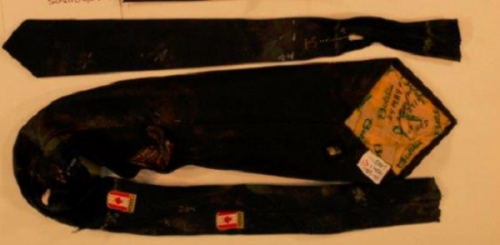
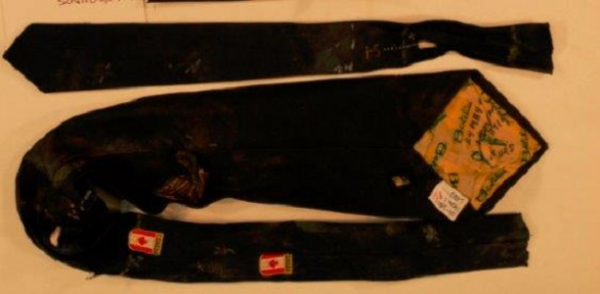
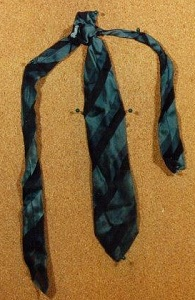
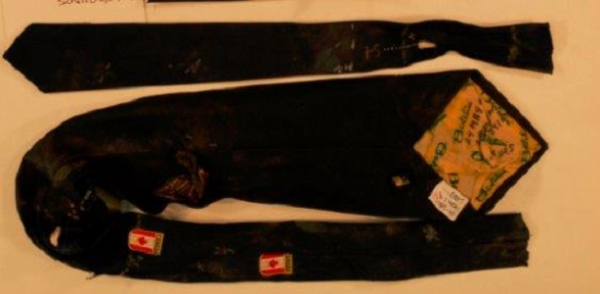
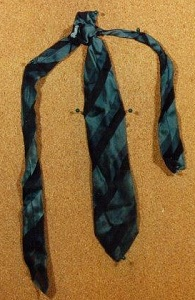
Additional Personal Items: "Irish Toast" towel: This item was manufactured in Ireland, exported to Toronto, Ontario and distributed to stores in Ottawa, Toronto and Montreal. They were sold at $1.39 (Canadian) each and had been stocked in stores for some time. The towel had Irish Gaelic printing on it, spelling out a traditional Irish toast. A blue and gray necktie. A red and white necktie. A decorative necktie known as a 'Canadian Tie' and bearing three Canadian emblems on a navy blue background. The necktie was manufactured in Montreal and had been sold by various stores in the province of Quebec and in the eastern part of Ontario. 2 fringed green cloths: each 70 inches long and 48 inches in width. Flat black plastic-covered wire: This was the typical wire used in cable television hook-ups. The plastic wire had a slight splattering of gray paint. Subsequent investigation revealed that the cable was manufactured in Renfrew, Ontario and distributed in the Ottawa, Hull, Montreal and Brockville areas.

1594609407007.png 1594609429252.png 1594609441452.png 1594609515140.png

Circumstances of Discovery
On the morning of May 3, 1975, this victim was located floating face down in the Nation River about 100 yards from the Highway 417 bridge. The Nation River is west of Casselman, Ontario and just thirty five miles east of Ottawa.

After recovering the body, it was discovered that the victim's wrists were bound together in front using a man's necktie. Two other neckties had been used to secure the ankles.

The victim's head was wrapped in 2 fringed green cloths. Upon removal of the cloths, investigators found that a kitchen towel had been knotted in the back to form a ligature around her neck. A television cable wire had also been wrapped around the victim's neck, over top of the kitchen towel.

Initially, it was believed that the woman's partial dentures had been manufactured abroad. However, it has now been suggested that the dentures were fairly common in Southern Ontario and Canada in terms of quality and materials.

Although it has not been determined when the body entered the Nation River, it is most likely 1-4 weeks prior to the discovery on 03 May 1975. However, it is also possible that the body entered the River prior to the river freeze over in December 1974 or January 1975.

There was a vague report from a store clerk in Marmora who remembered selling a provincial necktie to a man and woman couple. The woman matched the victim's description, but the store clerk could not remember a date for the sale.

The male with the woman at that time could only be described as possibly 5'4"-5'6" and about 35 years of age.

The remains were buried in 1987.

Over 300 missing persons were excluded from the case.

The victim has been known to investigators and the public as the "Nation River Lady."

In the summer of 2017, authorities reopened the case a second time (the first being in 1999) and appealed to the public for information.


Last edited:

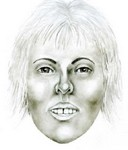
On May 3, 1975, the remains of a female were found in the Nation River near a bridge crossing Highway 417 in Casselman, Ontario. She has dyed reddish blonde hair that was naturally dark brown. Her finger and toe nails had red nail polish on them. She may have been a smoker. The cause of death was strangulation. A piece of television coaxial cable was found around her neck. A curtain rod runner (plastic wheel) was found in her left armpit. Her hands and feet were tied with men's neckties, one of which is called "The Canadian Tie". Her remains may have been in the water for some days to some months.


Other, She has extensive dental work including both an upper and lower partial denture, as well as many fillings.
 
OPP re-open 40-year-old murder case

OPP are hoping technical advancements will lead to a break in a 40-year-old homicide case.

On May 3, 1975, a local farmer discovered the remains of a woman in the Nation River a short distance from the Highway 417 bridge and south of the Town of Casselman, Ontario.

This deceased woman became known as the Nation River Lady and OPP investigators are re-introducing the case in an effort to identify who she is and to seek any information to further this homicide investigation.


The Nation River Lady was wearing a navy blue body suit which had a collar, buttons ¾ down the front, long sleeves and snaps that secured in the crotch area. Her toe nails and fingernails were manicured and painted with a pink polish, she had an appendix operation scar and wore partial upper and lower dentures. A copy of her fingerprints and DNA profile are on file.
 

239UFON - Unidentified Female

1609964105127.png1609964110682.png1609964135792.png1609964146373.png1609964154484.png1609964162583.png1609964180861.png

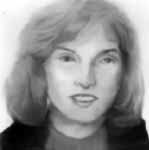
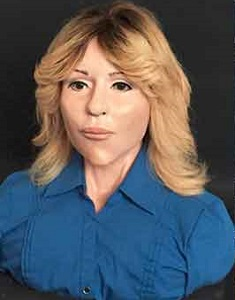
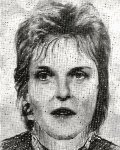
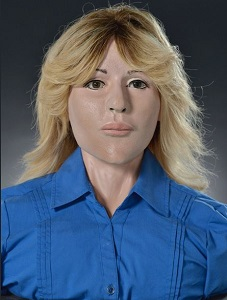
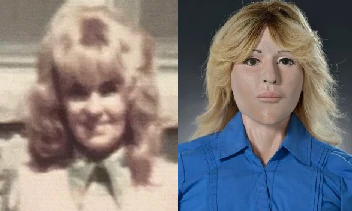
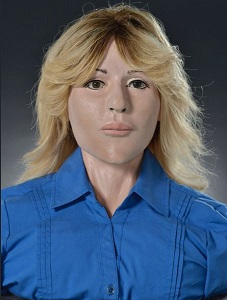
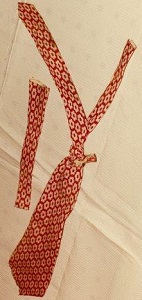
Artistic renderings of the victim; victim's dentures; ties binding victim; victim's suit; cloths around the body; "Irish Toast" towel.

Date of Discovery: May 3, 1975
Location of Discovery: Casselman, Ontario, Canada
Estimated Date of Death: 1-4 weeks or as early as Summer or Fall of 1974
State of Remains: Recognizable face
Cause of Death: Homicide by strangulation

Physical Description

Estimated Age: 20-45 years old
Race: White
Sex: Female
Height: 5'1"-5'5"
Weight: 100 lbs. (45kg)
Hair Color: Naturally dark-brown, dyed strawberry blond; shoulder-length.
Eye Color: Unknown
Distinguishing Marks/Features: Slight to average build. Her appendix had been removed previously and she had bright pink or red enamel on her finger and toe nails that was manicured. Possible smoker.

Identifiers

Dentals: Available. Extensive dental work. The victim wore partial dentures with porcelain teeth in her upper and lower jaws. Many of her natural teeth had required fillings.
Fingerprints: Available.
DNA: Available.

Clothing & Personal Items

Clothing: The victim was naked except for a blue body suit that had been pulled up over her shoulders.
Jewelry: Unknown
Additional Personal Items: "Irish Toast" towel: This item was manufactured in Ireland, exported to Toronto, Ontario and distributed to stores in Ottawa, Toronto and Montreal. They were sold at $1.39 (Canadian) each and had been stocked in stores for some time. The towel had Irish Gaelic printing on it, spelling out a traditional Irish toast. A blue and gray necktie. A red and white necktie. A decorative necktie known as a 'Canadian Tie' and bearing three Canadian emblems on a navy blue background. The necktie was manufactured in Montreal and had been sold by various stores in the province of Quebec and in the eastern part of Ontario. 2 fringed green cloths: each 70 inches long and 48 inches in width. Flat black plastic-covered wire: This was the typical wire used in cable television hook-ups. The plastic wire had a slight splattering of gray paint. Subsequent investigation revealed that the cable was manufactured in Renfrew, Ontario and distributed in the Ottawa, Hull, Montreal and Brockville areas.
Circumstances of Discovery

On the morning of May 3, 1975, this victim was located floating face down in the Nation River about 100 yards from the Highway 417 bridge. The Nation River is west of Casselman, Ontario and just thirty five miles east of Ottawa.

After recovering the body, it was discovered that the victim's wrists were bound together in front using a man's necktie. Two other neckties had been used to secure the ankles.

The victim's head was wrapped in 2 fringed green cloths. Upon removal of the cloths, investigators found that a kitchen towel had been knotted in the back to form a ligature around her neck. A television cable wire had also been wrapped around the victim's neck, over top of the kitchen towel.

Initially, it was believed that the woman's partial dentures had been manufactured abroad. However, it has now been suggested that the dentures were fairly common in Southern Ontario and Canada in terms of quality and materials.

Although it has not been determined when the body entered the Nation River, it is most likely 1-4 weeks prior to the discovery on 03 May 1975. However, it is also possible that the body entered the River prior to the river freeze over in December 1974 or January 1975.

There was a vague report from a store clerk in Marmora who remembered selling a provincial necktie to a man and woman couple. The woman matched the victim's description, but the store clerk could not remember a date for the sale.

The male with the woman at that time could only be described as possibly 5'4"-5'6" and about 35 years of age.

The remains were buried in 1987.

Over 300 missing persons were excluded from the case.

The victim has been known to investigators and the public as the "Nation River Lady."

In the summer of 2017, authorities reopened the case a second time (the first being in 1999) and appealed to the public for information.

Investigating Agency(s)

Agency Name: Ontario Provincial Police: Criminal Investigations Branch
Agency Contact Person: Detective Inspector Daniel Nadeau
Agency Phone Number: 705-329-6111
Agency E-Mail: N/A
Agency Case Number: OPP file # is 955-10-1990-098; MPUB File # is 20050011

Agency Name: Crime Stoppers
Agency Contact Person: N/A
Agency Phone Number: 1-800-222-TIPS (8477)
Agency E-Mail: N/A
Agency Case Number: Unknown

NCIC Case Number: Not entered
NamUs Case Number: Not entered

Information Source(s)

Canada's Missing - NCMPUR
CBS News Ottowa
Digital Journal
QuinteNews
A Fresh News Start
Net News Ledger
The Star
"Disappearances", by Derrick Murdoch Ontario Provincial Police (CIB)
Crime Files: Cold Case Edition - The Nation River Lady
 

Attachments

  • 1609964154662.png
    1609964154662.png
    207.5 KB · Views: 0
Nation River Lady Jane Doe 1975 was added to Gedmatch by the DNA Doe Project. As of February 22, 2021, she had over 14,000 DNA matches. Her highest match was 97 cM - which is not a substantial match. However, her "adjusted" matches at FTDNA is 445 cM which is in the first cousin once removed range. She is on the Google Drive spreadsheet at:
 

Daniel Leblanc, Denis Babin · CBC News · Posted: Jul 04, 2023 4:00 AM EDT

One of Canada's best-known cold cases has been cracked, with ramifications in Ontario, Quebec, Florida and Tennessee.

Found dead after being dropped from a bridge on Highway 417 between Montreal and Ottawa in 1975, an unidentified woman was known for decades by a single moniker: "Nation River Lady."

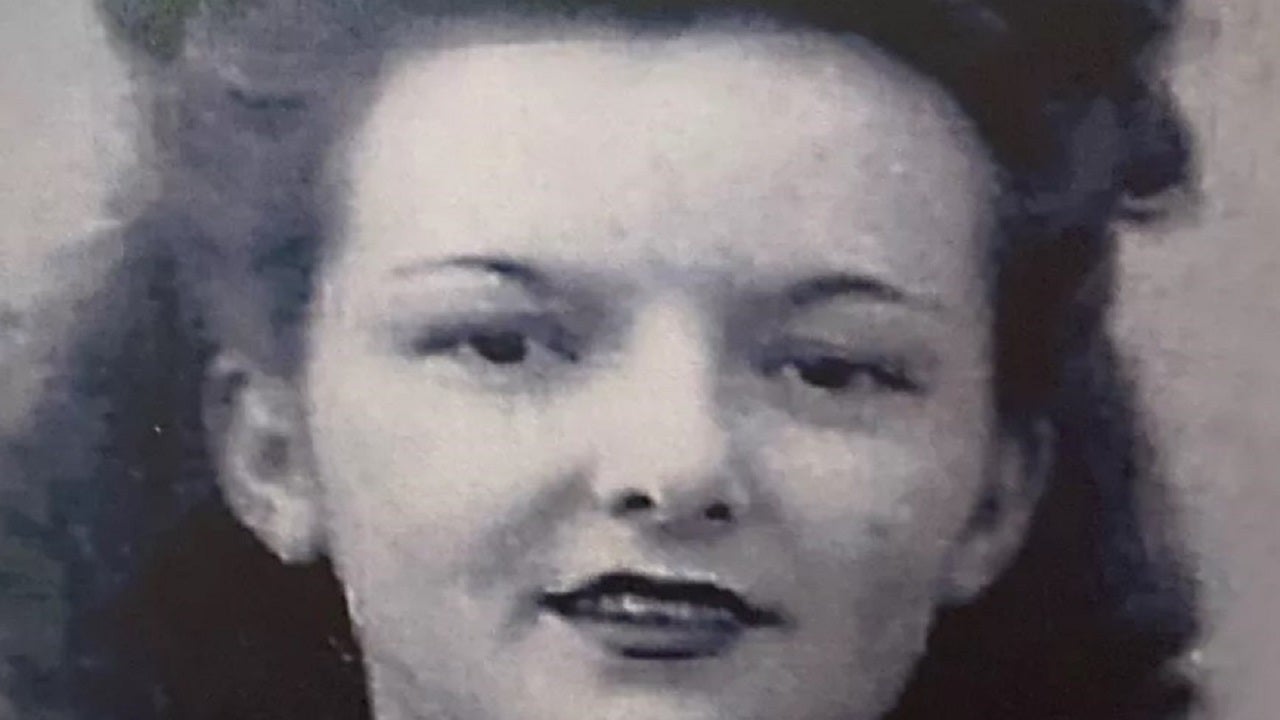
According to information obtained by Radio-Canada, the victim has now been identified as Jewell Parchman Langford, a longtime resident of Tennessee who was 48 at the time of her death.

Her identity was recently uncovered by the Ontario Provincial Police (OPP), which also laid a murder charge against Rodney Nichols, a man who had been among Langford's acquaintances in Montreal in the 1970s.

Nichols is now 81 and residing in Florida, where he is the subject of an extradition request.

Mysterious disappearance​

Langford came from a family of seven in Madison County, where her parents owned a farm.

While she was in Canada at the time of her disappearance, Langford had long worked in the fitness industry in Jackson, Tenn. According to local newspapers, she and her then husband Atlas Langford had opened a centre dedicated to exercise and weight loss called the Imperial Health Spa in 1972.

Two officers sit at a table with a clay bust reconstruction.

Const. Duncan Way, left, and Const. Guy Prévost, right, hoped the reconstruction would look enough like the victim that people who knew her would recognize her face. (Denis Babin/Radio-Canada)

According to a source, Jewell Langford was reported missing in the spring of 1975 to police authorities in Montreal, where she had recently moved.

She's believed to have been seen for the last time at the end of April 1975, and police started to look into her disappearance later that May. Montreal police investigated the case but never solved it.

According to the source, the "link was never made" between this missing woman in Montreal and the body that was found about 150 kilometers west, near Highway 417 in Casselman, Ont., on May 3, 1975.


At the time of her discovery, the woman's decomposed body was wrapped in scraps of cloth, towels and rags, while her hands and feet were bound with neckties, according to OPP. She could have been thrown from the bridge over the highway, where traces of blood were found, into the Nation River, police said.

For decades, her identity remained a mystery to police, who referred to her as the Nation River Lady in their public comments.

OPP quietly laid murder charge​

Rodney Nichols was a well-known rugby player among fans of the sport in Montreal, mainly among the English-speaking community in the western portion of the city.

According to documents filed at the courthouse in L'Orignal, Ont., east of Ottawa, he was formally charged with Langford's homicide on Sept. 8, 2022.

OPP never publicly announced the laying of the charge in this case, which was initially subject to a publication ban pending Nichols's return to Canada. The publication ban has since been lifted, but the case had not yet been reported in the media.
A clay facial reconstruction of a woman.

OPP Const. Duncan Way, an OPP Forensic artist and reconstruction analyst, created a 3D clay facial reconstruction of the Nation River Lady using advanced technology. (OPP)

Nichols currently resides in Hollywood, Fla., and is the subject of an extradition request by Canadian authorities. He has yet to appear in court in connection with this charge and has not entered a plea.

Nichols could not be reached for comment at his residence in Florida.

OPP spokesman Bill Dickson said he had no further comment on the matter, as did a spokeswoman for the U.S. Attorney's Office for the Southern District of Florida.

Case reopened​

The filing of a murder charge in this case came after the OPP decided in the mid-2010s to reopen the cold case.

In 2017, OPP experts unveiled a three-dimensional clay bust based on the body found in the Nation River in 1975, hoping to generate tips about her identity.

However, the breakthrough came from the use of DNA testing and genetic genealogy, which helped OPP to identify the victim. Once they had Langford's name, investigators were able to make significant progress on the case.

For years, Langford's unidentified body remained in Canada while a plaque commemorating her disappearance was installed at a cemetery in Jackson, Tenn.
"Missing, but not forgotten," it read.

After Langford was identified, her body was brought back to the United States and laid to rest under a new monument that says, "Finally home and at peace."

Radio-Canada made contact with Langford's family, but a spokesperson said they are withholding comment for now at the request of law enforcement.
A clay facial reconstruction of a woman.

OPP Const. Duncan Way, an OPP Forensic artist and reconstruction analyst, created a 3D clay facial reconstruction of the Nation River Lady using advanced technology. (OPP)
Show next image (2 of 9)
 

By AURORA BOSOTTI
14:18, Wed, Jul 5, 2023 | UPDATED: 14:18, Wed, Jul 5, 2023

nation-river-lady-identified-murder-4839923.webp

Jewell Langford was reported missing in April 1975 (Image: DNA DOW PROJECT•CBC)

<snip>

DNA Doe Project leader C Lauritsen said in a press release: "Once we got close, we uncovered newspaper articles specifically mentioning Jewell Langford’s disappearance.

"She was practically there waiting for us to find her. The heartbreaking part is that Jewell’s mother clearly searched for her for years and unfortunately died not knowing what happened to her daughter."

Langford's niece, Denise Chung, said her grandmother never abandoned hope of finding her despite the lack of information.

Chung said: "Up until my grandmother's death, she never let up on trying to find her.

"Hired private investigators to try to locate her and see if anybody could find anything. Nothing ever turned up."

jewell-langford-cold-case-cracked-4839929.webp

Langford had just moved to Montreal when she died (Image: CBC)
 

Elderly Man With Dementia and Confined to Wheelchair Arrested After Confessing to 1975 Murder: Court Documents​

An 81-year-old man suffering dementia is now in jail after being charged with the cold case murder of his girlfriend, who disappeared in 1975, according to court documents.

Rodney Marvyn Nichols is being held at the Federal Detention Center in Miami, pending extradition to Canada, where he is charged with murder, authorities said. He had lived in Montreal with Jewell Parchman Langford when the woman went missing, police said.

Nichols was arrested late last month at a nursing home in Hollywood, Florida, where he has lived for the last three years, officials said.

Officers with the Ontario Provisional Police had previously flown to Florida to interview Nichols at the North-Lake Retirement Home where he resided. Accompanied by FBI agents, the law enforcement officials questioned Nichols in February 2022, when he allegedly said he “had to come clean” and confessed to killing Langford.

But in a motion filed Wednesday, federal public defender Bernardo Lopez questioned the validity of that alleged confession, saying Nichols suffers from profound dementia, needs daily medication and is confined to a wheelchair.

"There are serious questions as to whether he has any real idea of what is transpiring from day to day," the motion says. Attorney Lopez is seeking bail for the elderly man.
 

Elderly Man With Dementia and Confined to Wheelchair Arrested After Confessing to 1975 Murder: Court Documents​

An 81-year-old man suffering dementia is now in jail after being charged with the cold case murder of his girlfriend, who disappeared in 1975, according to court documents.

Rodney Marvyn Nichols is being held at the Federal Detention Center in Miami, pending extradition to Canada, where he is charged with murder, authorities said. He had lived in Montreal with Jewell Parchman Langford when the woman went missing, police said.

Nichols was arrested late last month at a nursing home in Hollywood, Florida, where he has lived for the last three years, officials said.

Officers with the Ontario Provisional Police had previously flown to Florida to interview Nichols at the North-Lake Retirement Home where he resided. Accompanied by FBI agents, the law enforcement officials questioned Nichols in February 2022, when he allegedly said he “had to come clean” and confessed to killing Langford.

But in a motion filed Wednesday, federal public defender Bernardo Lopez questioned the validity of that alleged confession, saying Nichols suffers from profound dementia, needs daily medication and is confined to a wheelchair.

"There are serious questions as to whether he has any real idea of what is transpiring from day to day," the motion says. Attorney Lopez is seeking bail for the elderly man.
Unless he had some details that only he would know, I don’t see how that he could be arrested, either.
 
Unless he had some details that only he would know, I don’t see how that he could be arrested, either.
Even if they had DNA evidence, prosecuting him would be tough if his dementia is as „profound“ as they say. Pretty sure you have to be able to understand the charges against you and be able to participate in your own defense.
 
Canada has the same law?
I think so?

The Committee recommends that the federal Minister of Justice review the definition of "unfit to stand trial" in section 2 of the Criminal Code to consider any additional requirements to determine effectively an accused's fitness to stand trial, including a test of real or effective ability to communicate and provide reasonable instructions to counsel.

Section 2 of the Code defines "unfit to stand trial" as:

unable on account of mental disorder to conduct a defence at any stage of the proceedings before verdict is rendered or to instruct counsel to do so, and, in particular, unable on account of mental disorder to
  1. understand the nature or object of the proceedings,
  2. understand the possible consequences of the proceedings, or
  3. communicate with counsel.
 

Decades-old murder case of woman found in Ont. river delayed over concerns accused not fit for trial​

After weeks of delays, the Ontario Superior Court of Justice has yet to determine whether the man accused of killing an American woman and dumping her body in a river in Ontario nearly 50 years ago is fit to stand trial.

Last year, Rodney Nichols was extradited from the U.S. to Canada after being charged with the 1975 murder of 48-year-old Jewell Parchman Langford.

Lawyers for Nichols, now in his 80s, have said he suffers from dementia and requires an assessment of whether he is fit to be tried for Langford's murder.

Court documents reviewed by CTV News Toronto show that assessment has been twice extended due to a lack of available forensic neuropsychologists at the Whitby, Ont. mental health facility where Nichols is currently detained.

The filings show that Nichols was first ordered to undergo an assessment at the beginning of the year and, on Jan. 18, was transferred to Ontario Shores Centre for Mental Health Sciences in Whitby.

The report from the initial assessment, dated Feb. 9, was inconclusive, according to the documents. Nichols was then ordered to undergo further assessment for a period of either 30 or 60 days. However, under the Criminal Code, the total time of an original assessment order and extension must not exceed 60 days.

The case came back to the courts on Feb. 13, when Holowka granted another extension to March 17. But before it could return, a second report, received by the court on Feb. 29, cited a lack of available forensic neuropsychologists for the delays and requested yet another extension – to mid-April.

In his latest decision, Justice Brian Holowka wrote that, while a second assessment order would constitute an “imperfect process,” he ultimately found it a “responsive” approach to the needs of the accused and granted another extension.
 

Decades-old murder case of woman found in Ont. river delayed over concerns accused not fit for trial​

After weeks of delays, the Ontario Superior Court of Justice has yet to determine whether the man accused of killing an American woman and dumping her body in a river in Ontario nearly 50 years ago is fit to stand trial.

Last year, Rodney Nichols was extradited from the U.S. to Canada after being charged with the 1975 murder of 48-year-old Jewell Parchman Langford.

Lawyers for Nichols, now in his 80s, have said he suffers from dementia and requires an assessment of whether he is fit to be tried for Langford's murder.

Court documents reviewed by CTV News Toronto show that assessment has been twice extended due to a lack of available forensic neuropsychologists at the Whitby, Ont. mental health facility where Nichols is currently detained.

The filings show that Nichols was first ordered to undergo an assessment at the beginning of the year and, on Jan. 18, was transferred to Ontario Shores Centre for Mental Health Sciences in Whitby.

The report from the initial assessment, dated Feb. 9, was inconclusive, according to the documents. Nichols was then ordered to undergo further assessment for a period of either 30 or 60 days. However, under the Criminal Code, the total time of an original assessment order and extension must not exceed 60 days.

The case came back to the courts on Feb. 13, when Holowka granted another extension to March 17. But before it could return, a second report, received by the court on Feb. 29, cited a lack of available forensic neuropsychologists for the delays and requested yet another extension – to mid-April.

In his latest decision, Justice Brian Holowka wrote that, while a second assessment order would constitute an “imperfect process,” he ultimately found it a “responsive” approach to the needs of the accused and granted another extension.
I had a feeling this was going to be a difficulty.
 

Users who are viewing this thread

Forum statistics

Threads
3,273
Messages
297,464
Members
1,102
Latest member
TYK
Back
Top Bottom